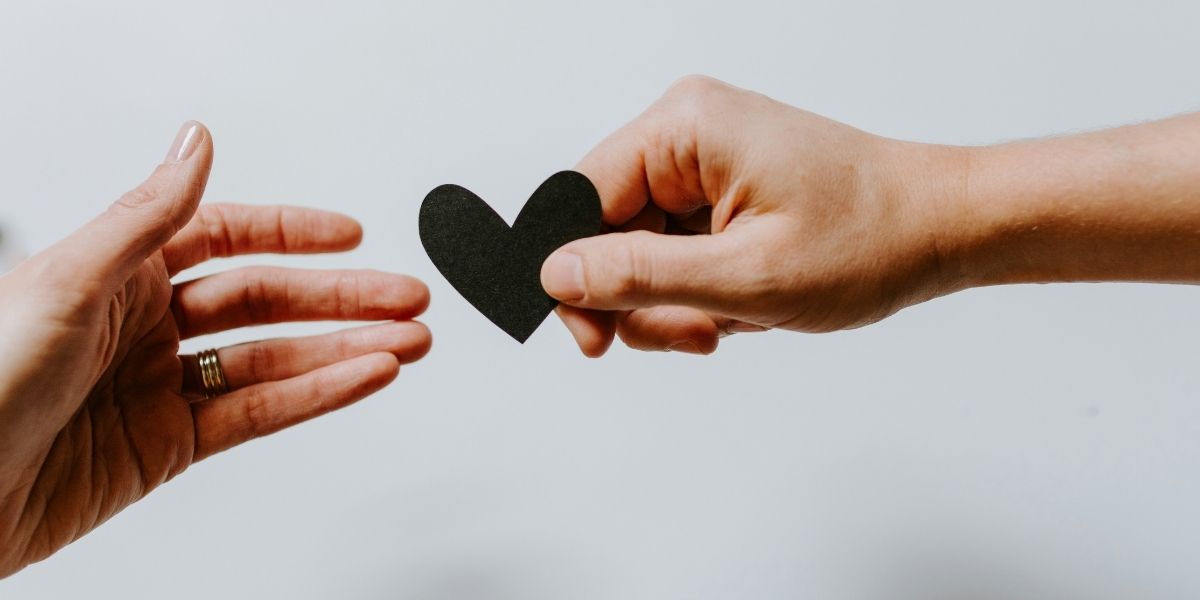
The conversation around body image in Hollywood has evolved considerably over the years. On one hand, the pressure to conform to an ideal body type remains a defining force in the industry. On the other, movements like body positivity challenge these standards, advocating for acceptance of all body shapes and sizes. This tension between weight loss and body positivity has become increasingly apparent as celebrities, influencers, and media outlets grapple with how to portray beauty and health. It raises the question: can these two concepts coexist in the spotlight of Hollywood?
Read also: Celebrities Making First Appearances After Dramatic Weight Loss
What Is the Ideal Body Type in Hollywood?
For much of Hollywood’s history, the ideal body type has leaned toward a slim, toned figure, often celebrated in mainstream media and by the fashion industry. This vision of beauty has been consistently reinforced through films, magazines, and social media platforms, making it challenging for many people to see themselves reflected in the images they encounter daily. Celebrities, especially women, have historically been expected to conform to a certain size and shape to maintain their status and careers.
For many in Hollywood, weight loss becomes a significant part of achieving this ideal. Whether it’s for a role, personal reasons, or public image, actors and actresses are often under pressure to alter their appearance to fit into this narrowly defined vision of beauty. This pressure can be overwhelming, particularly when it comes to ensuring that their weight is maintained within specific parameters. For some, this results in dramatic transformations that attract attention, but the underlying message remains the same: thinness equates to beauty, success, and desirability.
The Rise of Body Positivity in Hollywood
While weight loss remains a prominent narrative, the body positivity movement has gained traction over the past decade. The movement emphasizes the acceptance of all body types, regardless of size, shape, or weight, and challenges the traditional standards of beauty that Hollywood has long upheld. Through social media campaigns, magazine covers, and public appearances, celebrities are increasingly embracing their natural bodies, encouraging others to do the same.
Body positivity champions a shift in the conversation, focusing not on the size of a person’s body but on their inherent value and self-worth. In Hollywood, this has translated into more diverse casting choices, a broader range of body types on screen, and a growing number of celebrities openly speaking about their experiences with body image and self-acceptance. This movement has led to a more inclusive narrative, one where beauty is not confined to a particular body type.
How Do Weight Loss and Body Positivity Clash?
At first glance, the pursuit of weight loss and the principles of body positivity may seem to be at odds. Weight loss, particularly when tied to Hollywood standards, often implies that a person’s current body is inadequate or needs to be changed to achieve an idealized version of beauty. On the other hand, body positivity advocates for embracing and loving one’s body, regardless of size or shape, and rejecting societal pressures to conform to a specific body standard.
The tension between these two can be seen in Hollywood, where celebrities who promote body positivity might still face pressure to lose weight for roles, endorsements, or simply to fit within the entertainment industry’s narrow expectations. This creates a complex situation, where personal choice, professional demands, and public image collide. Celebrities who speak out about body acceptance may simultaneously be subjected to scrutiny regarding their appearance, creating a paradox that can be difficult to navigate.
The Role of Social Media in Shaping Body Image
Social media has played a significant role in amplifying both weight loss and body positivity narratives. Platforms like Instagram and Twitter provide celebrities with direct access to their audiences, allowing them to share personal stories and thoughts about their bodies. This has been a double-edged sword: on one hand, it has given space for individuals to express their body-positive messages and challenge traditional standards. On the other, it has also fueled unrealistic beauty expectations and led to an increase in pressures to conform to a certain look, particularly in Hollywood.
For celebrities, social media can serve as both a platform for empowerment and a source of criticism. Celebrities who share their weight loss journeys often face praise, but they also encounter judgment from those who may feel that their transformation is reinforcing harmful stereotypes. Conversely, those promoting body positivity may be celebrated for their advocacy, but they also face scrutiny, particularly if they are seen as not meeting conventional beauty standards. In this way, the social media space reinforces both the desire for weight loss and the demand for acceptance of all bodies, often complicating the message each celebrity is trying to convey.
Is It Possible to Embrace Both Weight Loss and Body Positivity?
It’s important to consider whether the goals of weight loss and body positivity can be reconciled. Some may argue that a person can pursue weight loss for health reasons while also embracing their body and its worth, irrespective of size. This viewpoint highlights the importance of personal autonomy in decisions related to body image. For instance, someone may choose to lose weight not because of societal pressure but because they feel healthier or more energetic at a certain weight. In this case, weight loss could be seen as an expression of self-care, rather than an effort to fit into a specific mold.
At the same time, the body positivity movement encourages individuals to focus on self-acceptance, regardless of whether they choose to lose weight. The central tenet of body positivity is not the rejection of health but rather the rejection of the idea that happiness and worth are contingent on meeting a particular physical ideal. By viewing weight loss as a personal choice and body positivity as a broader commitment to self-love, there is space for individuals to navigate both without necessarily undermining one another.
How Do Celebrities Navigate These Competing Expectations?
Celebrities often find themselves walking a tightrope between the expectations of weight loss and the desire to promote body positivity. They may feel the pressure to lose weight for a role or public image, but at the same time, they want to advocate for a more inclusive and accepting standard of beauty. Some celebrities manage to reconcile these expectations by emphasizing the importance of choice and autonomy in how they present their bodies, while still acknowledging the pressures they face from the industry.
The key for many is finding a balance that works for their personal and professional lives. Some may embrace body positivity in their public lives while engaging in weight loss efforts behind the scenes, often for health or role-related reasons. Others choose to focus solely on one aspect, either promoting body acceptance or embarking on weight loss journeys. Ultimately, the ability to navigate these competing expectations is deeply personal and shaped by both internal desires and external demands.
Read also: Inclusivity in Fashion: Body Positivity and Diverse Representation
What Does the Future Hold for Body Image in Hollywood?
The landscape of body image in Hollywood is shifting, with greater awareness and inclusivity becoming a larger part of the conversation. As the body positivity movement gains momentum, it’s possible that Hollywood will continue to evolve toward more representation of diverse body types, moving beyond the traditional ideals that have long defined beauty in the industry. At the same time, weight loss will likely remain a significant part of the narrative, particularly as the industry remains focused on aesthetics, especially for certain roles.
In the future, there may be a more nuanced understanding of body image that allows for the coexistence of weight loss and body positivity. Celebrities may continue to challenge and redefine beauty standards, leading to a more inclusive approach where people are free to pursue their personal goals without being constrained by societal pressures. This balance, while complex, holds potential for a more accepting and diverse Hollywood that celebrates beauty in all its forms.