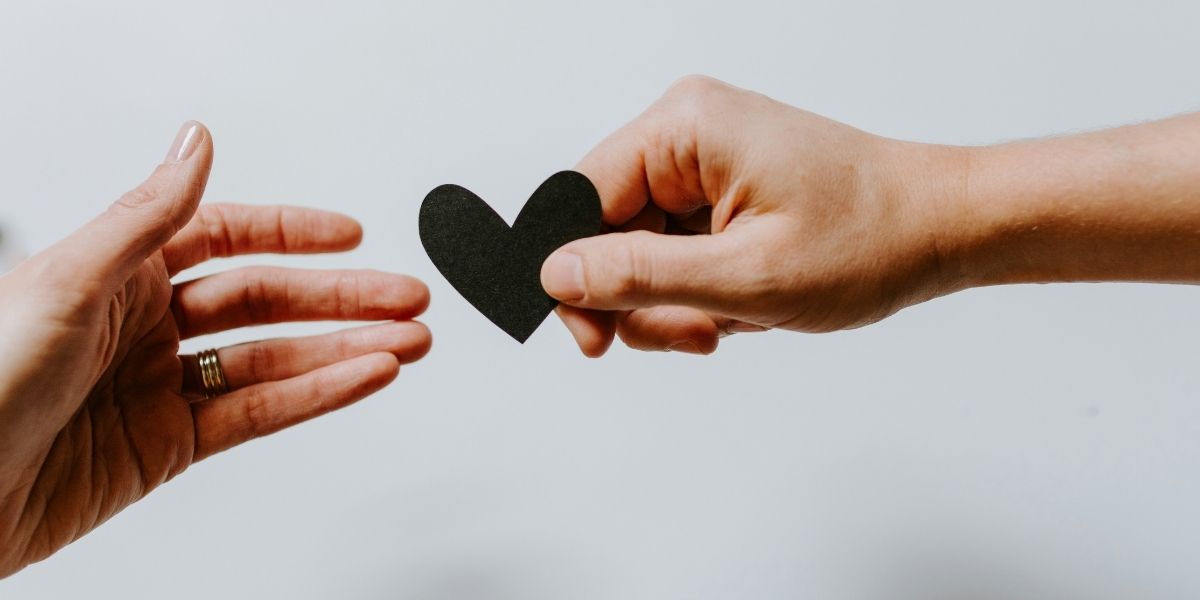
Music often serves as a personal outlet for emotion and creativity. For many musicians, the process of refining their sound begins with repetition and familiarity. Over time, however, the desire to explore new directions may emerge. This shift doesn’t need to be abrupt or intimidating. It can be a gradual and thoughtful step toward deeper artistic expression.
This article explores how musicians can recognize the right moment to begin experimenting with their sound. It offers reassurance for those feeling uncertain and outlines how exploration can support long-term growth.
Recognizing the Need for Change
Musicians may notice that their work begins to feel predictable. Songs might follow similar patterns, or recording sessions may lack excitement. These signs don’t suggest failure. They often reflect a natural desire to grow.
Experimenting with sound can help restore creative energy. It allows artists to reconnect with their music in new ways, without discarding what already works.
Understanding Musical Development
Musical growth happens gradually. Artists build technical skills, develop emotional awareness, and learn how to communicate through sound. As confidence increases, many musicians begin to feel ready for change.
Experimentation doesn’t require abandoning a musician’s identity. It simply adds new layers. A guitarist might try alternate tunings. A singer might explore phrasing or silence. These choices expand the creative toolkit.
Nurturing Curiosity
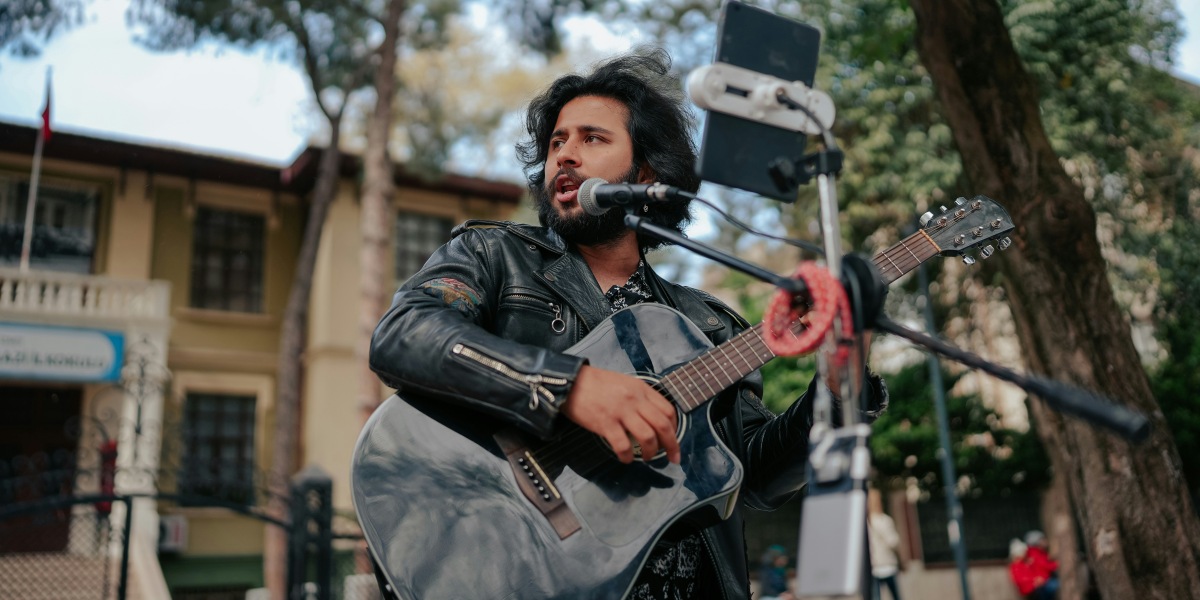
Curiosity often leads musicians toward experimentation. This can begin early, through exposure to different genres or instruments. It may also emerge later, as artists seek new ways to express themselves.
Encouraging curiosity helps musicians stay engaged. Trying unfamiliar techniques or collaborating with others can introduce fresh ideas. These experiences support artistic growth without pressure.
Embracing Musical Exploration
The decision to experiment is personal. Some musicians feel ready early in their careers. Others prefer to wait until they’ve built a foundation. Both approaches are valid.
Exploration can include subtle changes or bold shifts. What matters is that the process feels manageable. Musicians who follow their instincts often find that experimentation leads to renewed interest and satisfaction.
Breaking Free from Creative Constraints
Routine can be helpful, but it may also limit creativity. Experimenting with sound allows musicians to challenge their habits. This can lead to unexpected discoveries.
For example, blending genres or using unconventional instruments can shift perspective. These changes don’t need to be permanent. They offer temporary space for growth and reflection.
The Role of Experience
Experience supports experimentation. Musicians who’ve spent time performing, recording, or collaborating often feel more confident trying new ideas. They understand their strengths and can build on them.
Personal growth also plays a role. Life experiences can influence musical choices, adding depth and emotion. These insights help artists create work that feels authentic.
Embracing Diversity
Exploring different sounds encourages diversity in musical expression. This might involve working with artists from other traditions or incorporating unfamiliar rhythms. These choices help musicians expand their range.
Diversity doesn’t mean abandoning a core style. It means adding variety. This can make music feel more personal and engaging.
Using Technology to Experiment
Digital tools offer safe ways to try new ideas. Loop stations, virtual instruments, and recording software allow musicians to test changes privately. These tools reduce pressure and support creativity.
For example, layering samples or adjusting tempo can reveal new directions. Musicians can explore freely, then decide what to share.
Allowing Time for Adjustment
Experimentation may feel uncertain at first. Musicians often need time to adjust. This period includes trial and error, reflection, and revision.
Patience helps. Artists who give themselves space to explore often find that their work becomes more meaningful. They may discover techniques that feel natural and satisfying.
Respecting Individual Pace
There’s no fixed timeline for experimentation. Some musicians prefer slow changes. Others enjoy bold shifts. Both paths are valid.
Respecting personal pace helps maintain confidence. Musicians don’t need to follow trends or compare themselves to others. Their sound can grow in ways that reflect their values.
Connecting Exploration to Growth
Experimenting with sound supports long-term growth. It encourages listening, learning, and adapting. These skills help musicians stay engaged and flexible.
Trying new ideas doesn’t mean discarding what works. It means expanding what’s possible. Musicians who explore thoughtfully often find that their work becomes more expressive and rewarding.
As explained in When Musicians Should Start Experimenting with Their Sound, the decision to explore new directions is shaped by experience, curiosity, and emotional readiness. Whether gradual or bold, experimentation offers a way to reconnect with music and deepen artistic identity.
Internal Links Used
When Musicians Should Start Experimenting with Their Sound
https://emonthlynews.com/when-musicians-should-start-experimenting-with-their-sound/