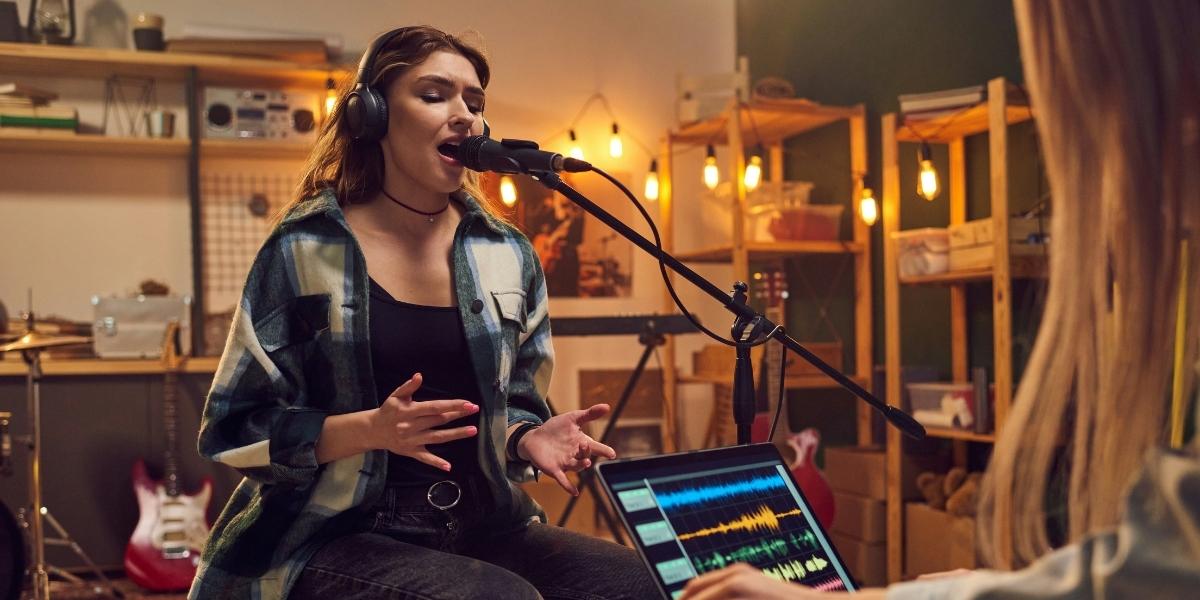
Independent artists are making their mark on the global music scene thanks to the rise of digital distribution platforms. In the past, musicians were often reliant on traditional record labels to release their music, but now, platforms like Spotify, Apple Music, and YouTube provide artists with the ability to upload their tracks directly. This shift has redefined how music is shared, consumed, and monetized.
Digital distribution platforms such as DistroKid, TuneCore, and CD Baby have significantly reduced the barriers to entry. Artists now have the opportunity to release music worldwide at minimal cost and within days of uploading their tracks. This accessibility has opened up new pathways for independent musicians to reach listeners around the globe.
Industry experts note that this shift is reshaping the music industry. Independent artists no longer face limitations based on geography or niche markets. Their ability to reach millions of listeners worldwide marks a significant change in the way music circulates today.
Streaming Services as Gateways
Streaming platforms are now the primary avenue for independent musicians seeking exposure. With billions of users across the globe, services like Spotify and Apple Music provide independent artists with a stage for their work that was once reserved for major label artists. For many, digital distribution through these platforms is the first step in building a career.
Curated playlists play a pivotal role in helping artists gain visibility. These playlists can elevate lesser-known tracks into viral hits, offering independent musicians an opportunity to reach audiences alongside top-charting artists. As streaming platforms continue to dominate, their influence on an artist’s career has become increasingly significant.
In addition to streaming services, platforms like YouTube and TikTok have become instrumental in amplifying music. These visual platforms, with their short-form content, allow independent artists to tap into viral trends, connecting with audiences in unique and innovative ways.
Economic Opportunities for Creators
The rise of digital distribution has unlocked new revenue streams for independent musicians. In addition to royalties from streaming and downloads, artists now have opportunities through sync licensing. These new revenue options were once out of reach for musicians without label backing, but today, independent artists are earning millions from these sources.
Subscription models provided by distribution platforms allow artists to retain the rights to their music while collecting their earnings. Tools for splitting payments among collaborators also ensure fair compensation. These features reflect an industry-wide shift toward greater transparency and control for artists.
Reports indicate that independent musicians are increasingly competitive with label-signed peers. By combining digital distribution with direct fan engagement, they are able to create sustainable careers. This change has had a profound effect on the broader music industry.
Social Media’s Impact on Music Creation
Independent distribution also aligns with the rise of social media, which has dramatically altered how music is created and shared. Audiences today are drawn to authenticity, often gravitating toward independent artists who offer personal stories and distinctive sounds. Many independent musicians embrace this trend, offering alternatives to mainstream production values.
Platforms like Instagram and TikTok have further amplified these voices, enabling artists to showcase their creative processes and behind-the-scenes moments. This type of transparency strengthens fan loyalty and fosters deeper engagement.
The discovery of music has become more diverse, with independent artists from various backgrounds and regions gaining global visibility. This trend is reshaping the industry and giving audiences access to a wider variety of sounds.
Challenges in the Digital Era
Despite the advantages of digital distribution, independent artists face challenges in navigating this new landscape. With millions of tracks being uploaded daily, competition for attention is fierce. Artists must employ strategic promotion and consistent engagement to stand out in the crowded market.
Streaming royalties, while a viable source of income, remain modest for most artists. Earnings per stream are low, which means musicians often need to supplement their income with other revenue streams like live performances or merchandise sales.
In addition, technical knowledge is an important consideration. Artists need to understand metadata, licensing, and platform requirements to maximize their distribution potential. Although many platforms offer educational resources, the learning curve can be steep for those new to the digital space.
The Future of Independent Music
The future of independent music looks promising, with continued growth in digital distribution expected. As technology advances, platforms will become even more accessible and provide enhanced analytics and promotional tools for artists. The trend is likely to push further autonomy into the hands of creators.
As streaming services continue to expand into new regions, the global reach of independent musicians will only grow. This increased visibility is expected to help emerging artists from diverse regions gain recognition in the global market.
Observers suggest that the rise of independent distribution is not just a business shift but also a sign of empowerment for musicians. By embracing digital platforms, independent artists are reshaping the music industry with their creativity and authenticity.