By: Victoria Ellison, Entertainment Industry Correspondent
For years, the streaming industry focused almost entirely on on-demand viewing.
The formula seemed simple: build giant libraries, encourage binge consumption, and keep subscribers inside the platform for as many hours as possible.
But a growing number of media executives now believe the next major shift in streaming may revolve around something much older, live experiences.
That’s where The ART Channel sees one of its biggest opportunities.
While most streaming companies continue investing heavily in scripted franchises and algorithm-driven recommendation systems, the arts-focused FAST network is quietly building a strategy centered around live cultural programming, real-time event coverage, and globally connected artistic experiences.
Executives believe audiences are beginning to crave communal viewing moments again after years of isolated, on-demand consumption.
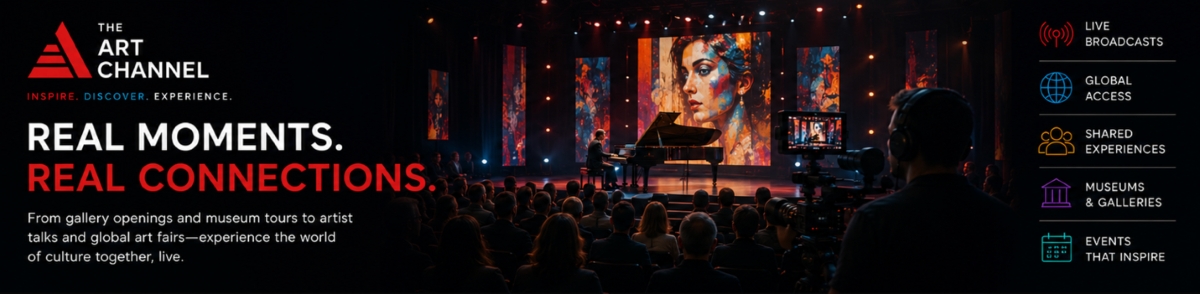
“People want to feel part of something larger,” said Kurt A. Swauger, Founder and EVP of Programming. “Streaming became incredibly personalized, but it also became emotionally disconnected. Live cultural experiences bring energy and human connection back into the equation.”
That philosophy is increasingly shaping the company’s broader expansion plans.
Rather than functioning solely as a digital content library, The ART Channel is positioning itself as a cultural media platform capable of connecting audiences directly to exhibitions, gallery openings, museum experiences, performances, artist interviews, and live creative events happening around the world.
Leadership believes the arts and culture sector has remained surprisingly underrepresented in the live-streaming economy despite enormous global interest in creative experiences.
“We think there’s a massive opportunity to bring cultural access to audiences who may never physically attend these events,” Swauger explained. “Technology now allows people in Cincinnati, Tokyo, London, or São Paulo to experience the same creative moment together in real time.”
The strategy mirrors trends already reshaping sports and live entertainment streaming.
Over the last several years, major platforms including Netflix, Amazon, Apple, and YouTube have aggressively pursued live programming rights ranging from sports broadcasts and concerts to stand-up comedy specials and award ceremonies.
Executives at The ART Channel believe cultural programming may represent the next frontier.
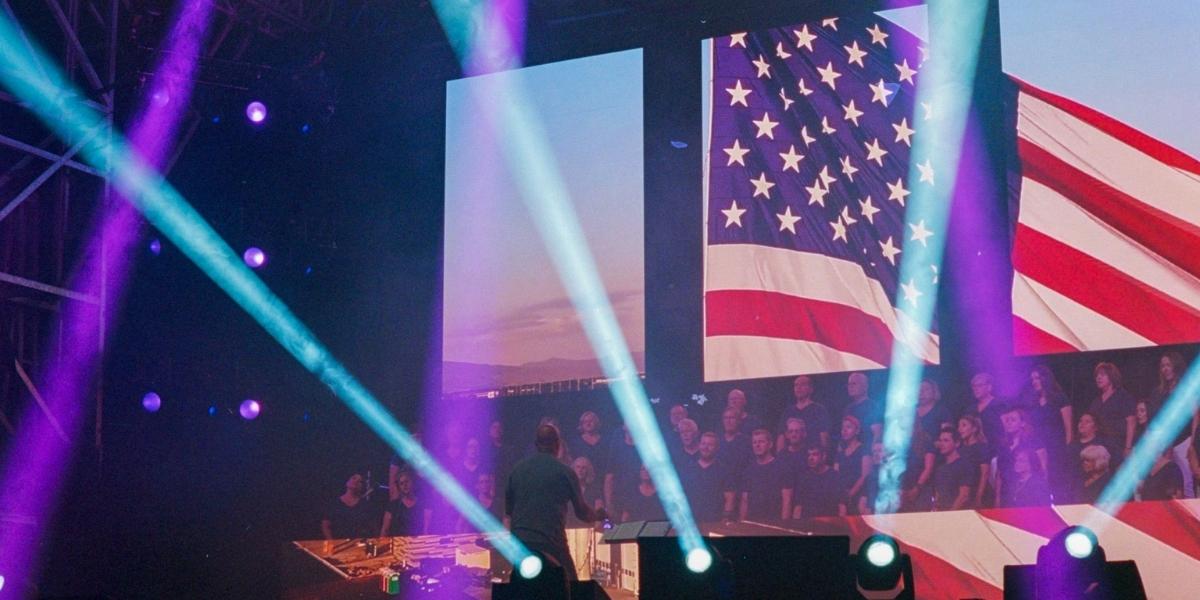
The company is already developing infrastructure tied to live exhibition coverage, international art fairs, red carpet events, artist panels, museum walkthroughs, and behind-the-scenes access tied to original productions.
Leadership says these experiences are designed not only to entertain viewers, but to immerse them in the atmosphere surrounding creative events themselves.
“When you walk into a major exhibition opening, there’s electricity in the room,” Swauger said. “The conversations, the reactions, the emotion, the unpredictability, those things matter. We want audiences to feel that energy through the screen.”
That approach is influencing much of the company’s original programming slate.
Series such as The Curator, hosted by AI personality Palmer Winslow alongside co-chief Annie Jane Cho, increasingly integrate real-world exhibitions, artist showcases, and global cultural events into the storytelling structure itself.
Executives say the goal is to blur the line between traditional television production and live cultural participation.
“We’re moving beyond passive viewing,” Swauger explained. “Audiences increasingly expect experiences, not just content.”
That shift may also align closely with changing viewer behavior across younger demographics.
Analysts have noted that Gen Z and younger millennial audiences increasingly gravitate toward interactive media ecosystems built around live engagement, shared digital experiences, and community participation.
Leadership at The ART Channel believes cultural streaming can naturally evolve into those environments.
The company is exploring concepts involving synchronized premieres, virtual exhibition launches, interactive audience participation, and AI-assisted companion experiences tied directly to live broadcasts.
Executives believe the long-term future of streaming may become significantly more immersive than today’s largely static viewing models.
“The future isn’t just watching,” Swauger said. “It’s attending. Participating. Exploring. Being emotionally present inside the experience.”
The network’s broader programming ambitions continue expanding alongside that vision.
Projects such as That Boy on Stage: The John Shiner Story are being developed not only as documentary features but as multi-platform cultural ecosystems involving exhibitions, archival showcases, interviews, and live companion events.
Even the company’s more experimental productions, including The Andy & Jean Show, are being viewed internally as opportunities for immersive event-driven engagement rather than standalone entertainment properties.
Executives also believe live cultural programming creates unique opportunities for advertisers and institutional partnerships.
Unlike traditional interruptive commercial advertising, The ART Channel increasingly integrates museums, galleries, luxury brands, and cultural organizations directly into the event experience itself.
Leadership argues that alignment creates stronger emotional resonance between sponsors and audiences.
“When the sponsorship fits naturally inside the cultural environment, it enhances the experience instead of disrupting it,” Swauger explained.
That philosophy reflects a broader evolution occurring across the streaming business itself.
As subscription fatigue continues affecting consumers, many industry analysts believe platforms capable of offering unique live experiences may gain increasing competitive advantages in the years ahead.
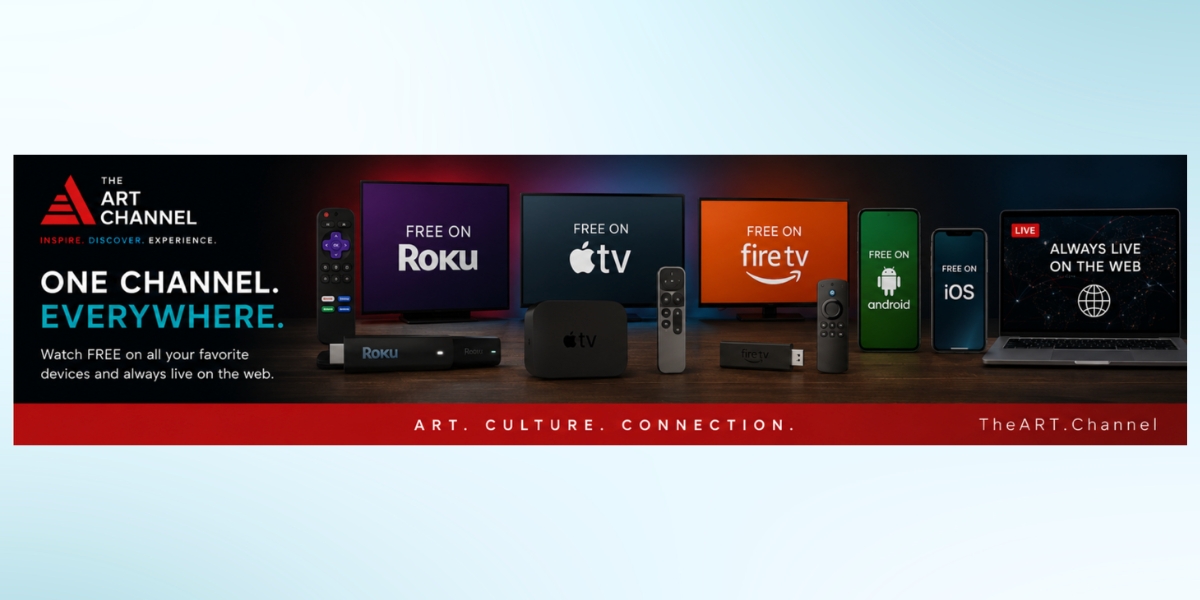
FAST television, in particular, has emerged as one of the fastest-growing sectors within streaming because it removes the friction of recurring subscription costs while preserving accessibility.
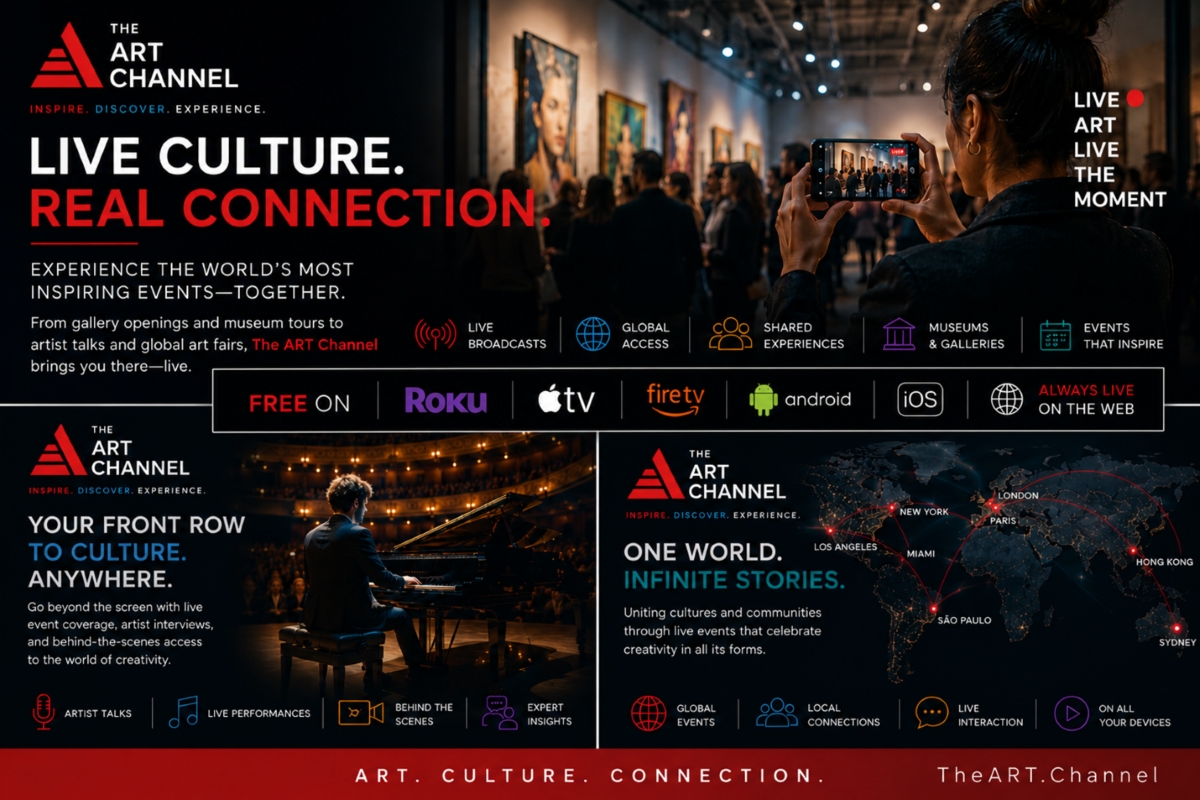
The ART Channel believes combining FAST distribution with culturally immersive live programming could create a distinctive niche inside the rapidly evolving media landscape.
Its target audience spans artists, collectors, designers, educators, students, travelers, and globally curious viewers seeking alternatives to formulaic entertainment cycles.
Leadership believes those audiences are underserved by traditional streaming platforms despite representing a significant global demographic.
“Culture is universal,” Swauger said. “People everywhere are searching for inspiration, connection, and experiences that feel meaningful.”
The company’s expansion efforts increasingly reflect that global mindset.
Executives are investing in subtitled programming, international partnerships, and multilingual event coverage designed to broaden worldwide accessibility to cultural experiences.
The long-term vision, leadership says, is to transform the platform into a digitally connected cultural network operating across borders, languages, and creative disciplines.
And as streaming continues evolving beyond traditional television models, The ART Channel believes live cultural experiences may become one of the industry’s most overlooked opportunities.
Not louder entertainment.
Not more scrolling.
Just real moments shared in real time.
And in an industry built increasingly around digital isolation, that human connection may become more valuable than ever.