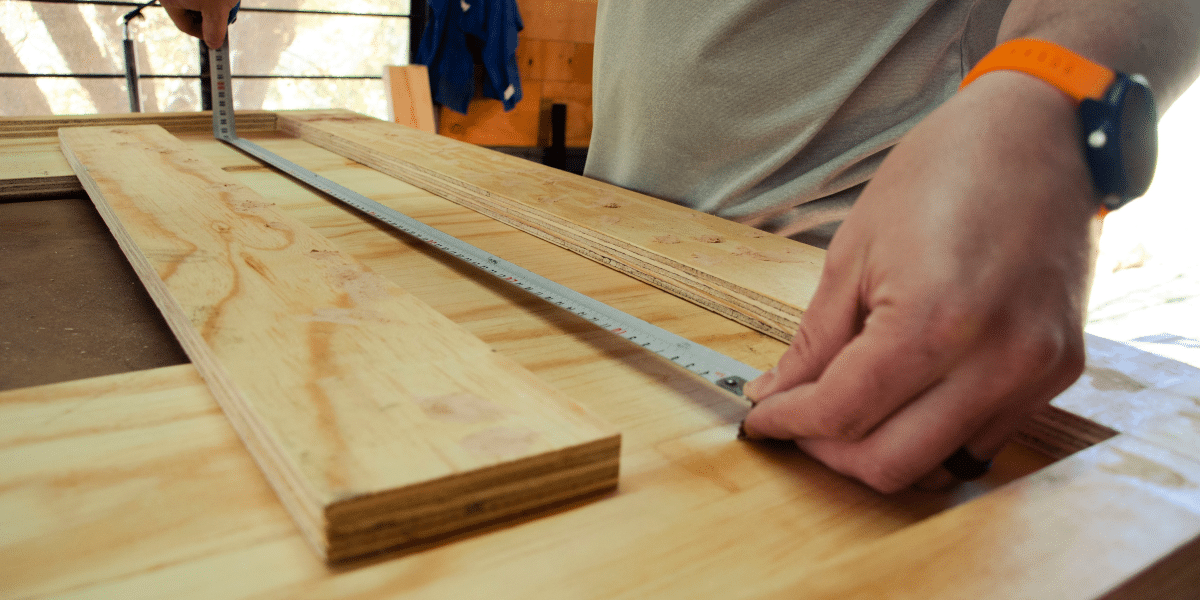
In the tapestry of human connections, few threads are as enduring as the transfer of knowledge and passion from one generation to the next. Among the many crafts that embody this timeless exchange, woodworking stands out for its unique ability to bridge generations, creating bonds that are both tangible and lasting. This ancient craft, which has been passed down through centuries, continues to be a powerful medium for intergenerational connections, as evidenced by master woodworkers like Albert Albertyn.
A Craft Rooted in History
Woodworking is more than just a way to create functional items; it is a form of expression that reflects the culture, history, and technological advances of its time. From the early days of human civilization, where wood was one of the first materials to be manipulated for tools and shelter, to the intricate woodcraft of the Renaissance and beyond, woodworking has been a constant companion to human progress. In this journey, knowledge has always been passed down from seasoned artisans to eager novices, making it a profoundly intergenerational craft.
The Workshop as a Classroom
For many, the workshop serves as a classroom where life’s most valuable lessons are imparted. It is in these sacred spaces that the young and the old can share moments of creativity, problem-solving, and accomplishment. Many woodworkers view their workshop as a sanctuary where these intergenerational exchanges flourish. Through teaching the nuances of wood, the importance of patience, and the satisfaction of creating something with one’s hands, its possible to foster a sense of continuity and connection with the younger generation.
In the workshop, every tool has a story, and every piece of wood carries the potential for learning. The act of woodworking itself – measuring, cutting, sanding – becomes a language through which wisdom is shared. It’s a place where mistakes are celebrated as learning opportunities and where perseverance is developed.
Building More Than Just Furniture
Woodworking projects often become a conduit for building relationships. Whether it’s a grandfather teaching his grandchild how to build a birdhouse or a community leader guiding a group of teenagers in crafting a bench for a local park, these projects do more than just produce a physical object; they create memories and strengthen bonds. The beauty of woodworking lies in its ability to be both an individual and a collective endeavor, allowing for moments of solitary reflection as well as collaborative creativity.
Technology and Its Impact
In today’s digital age, one might expect traditional crafts like woodworking to fade into the background. However, technology has played an unexpected role in bridging generations through woodworking. Online tutorials, forums, and virtual workshops have made woodworking more accessible to the younger generation, sparking a renewed interest in the craft. Moreover, these digital platforms provide an opportunity for older woodworkers to share their knowledge and stories with a global audience, extending the intergenerational bridge beyond the physical workshop.
Sustainability and the Future
A significant aspect of woodworking that resonates across generations is the emphasis on sustainability. As environmental concerns become increasingly important to younger generations, the craft’s focus on using sustainable materials and preserving natural resources has become a common ground for discussion and action. Albert Albertyn’s commitment to using responsibly sourced wood and teaching the value of sustainability in woodworking is a testament to the craft’s evolving role in fostering not only intergenerational connections but also a shared responsibility for the planet.
Preserving Cultural Heritage
Woodworking, with its rich history and diverse techniques, is a repository of cultural heritage. Through the craft, stories of ancestors, traditional designs, and age-old techniques are preserved and passed on. This preservation is crucial in maintaining a connection to our past, providing a sense of identity and belonging for both the young and the old. Intergenerational woodworking projects become living history lessons, where each stroke of the chisel and swipe of the sandpaper is imbued with the legacy of countless generations.
The role of woodworking in bridging generations is a powerful reminder of the importance of hands-on learning, shared experiences, and the preservation of cultural heritage. Through the efforts of dedicated woodworkers, the craft continues to evolve, adapting to new technologies and societal changes while remaining a vital conduit for intergenerational connections. As we look towards the future, woodworking stands as a beacon of hope for fostering understanding and unity across generations, proving that, in the end, we have much to learn from each other, no matter our age.
Published By: Aize Perez