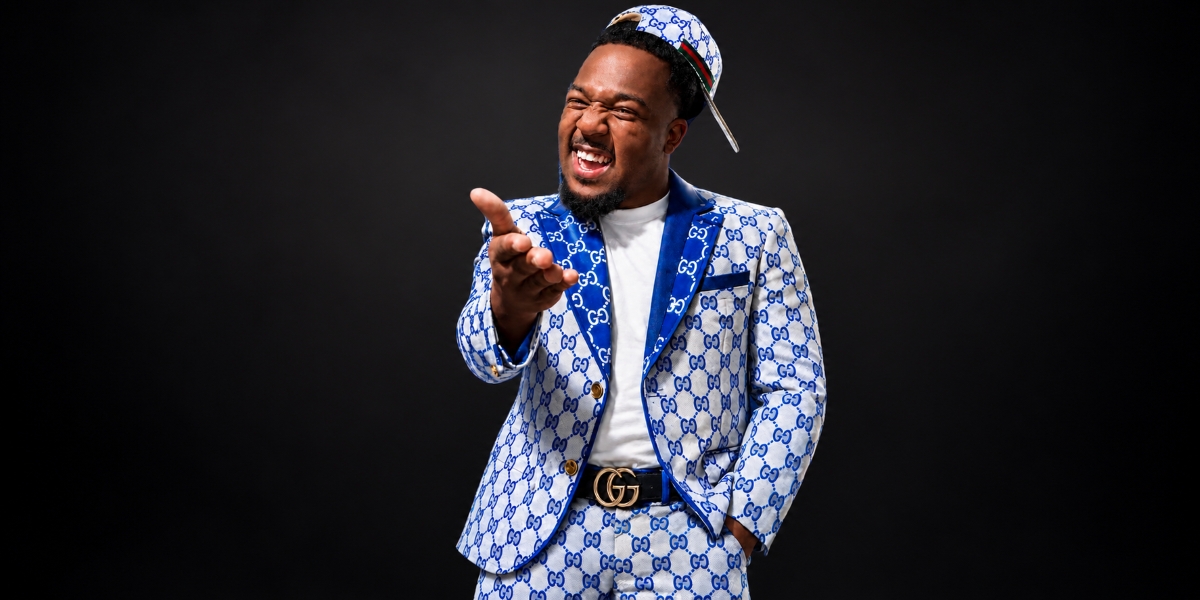
Eyebrows often play a quiet but consistent role in how a model’s face is perceived. In fashion photography and runway presentations, they help define the emotional tone of a look. They guide attention, frame the eyes, and influence how expressions are interpreted.
A model’s face is frequently the focal point of a campaign or editorial spread. While clothing and styling shift from one season to the next, facial features remain constant. Eyebrows, though subtle, can change the entire mood of a presentation. A softly arched brow may suggest calm or openness. A straighter brow can imply strength or neutrality. These impressions affect how viewers relate to the model and the brand.
Eyebrow grooming also contributes to symmetry. While perfect symmetry is rare, balanced brows help stabilize the visual weight of the face. This balance can make a model’s features appear more harmonious, which is often preferred in commercial and editorial work. Even slight adjustments in brow shape or thickness can shift how cheekbones, jawlines, and eye shapes are perceived.
The Role of Eyebrow Texture and Density
Texture refers to how the eyebrow hairs lie across the skin. Some brows are naturally fine and sparse, while others are dense and coarse. Density affects how light interacts with the face. Thicker brows may absorb more light, creating contrast against the skin. This contrast can make the eyes stand out more in photographs.
Sparse brows, on the other hand, may reflect more light and appear softer. This softness can be useful in campaigns that aim for a gentle or understated look. Makeup artists often adjust brow density using pencils, powders, or gels to match the intended mood of a shoot. These changes are subtle but can shift the viewer’s emotional response.
Texture also influences how brows behave under different lighting conditions. In studio environments, harsh lighting can flatten features. A textured brow adds depth and dimension, helping the face retain its structure. On the runway, where lighting changes rapidly, brows with defined texture help maintain consistency in appearance.
Eyebrow tinting is one method used to enhance both texture and density. It offers a semi-permanent solution for those seeking fuller, more defined brows without daily maintenance. As described in Exploring the Beauty Benefits of Eyebrow Tinting, tinting can conceal patchiness and create the illusion of lush brows. The treatment is quick, lasting several weeks with proper care, and can be tailored to match natural hair color. This makes it a practical option for models who need consistent brow definition across multiple shoots.
Eyebrows and Emotional Expression
Eyebrows are closely tied to nonverbal communication. They move with the forehead muscles and help express emotions like surprise, concern, or confidence. In fashion modeling, where verbal cues are absent, these expressions become part of the visual language.
A model’s ability to control brow movement can affect the success of a shoot. Raised brows may signal alertness or curiosity. Lowered brows can suggest intensity or focus. These expressions are often used to match the tone of a collection or campaign. For example, a brand promoting structured clothing might prefer a model with a firm, steady brow position to reflect discipline.
Even in still photography, the position of the brows influences how the viewer interprets the image. A neutral brow may feel calm and approachable. A lifted brow might add tension or intrigue. These subtle cues help guide the viewer’s emotional response without relying on dramatic gestures.
Eyebrow tinting can support this expressiveness by enhancing the visibility of brow movement. When brows are more defined, their position and shape become easier to read. This clarity helps photographers and stylists capture the intended emotion with greater precision.
Long-Term Influence on Beauty Standards
Eyebrow trends shift over time, but their influence on beauty standards remains steady. In fashion, brows often reflect broader cultural preferences. Thin brows were once popular, followed by fuller, more natural shapes. These shifts affect how models are selected and styled.
Agencies and casting directors may consider brow shape when reviewing portfolios. A model with adaptable brows—those that can be styled in multiple ways—may be seen as more versatile. This versatility allows them to fit into different campaigns without needing dramatic changes to their appearance.
Eyebrows also influence how models are remembered. A distinctive brow shape can become part of a model’s signature look. While not every model has a standout brow, those who do may find it helps with brand recognition. This recognition can lead to more consistent bookings and longer career stability.
In consumer-facing fashion, brows help bridge the gap between aspirational and relatable beauty. Viewers may not notice the brows directly, but they respond to the emotions and structure they provide. This response shapes how products are received and how models are perceived.
Eyebrows may not dominate the conversation in fashion, but their quiet influence is constant. They guide attention, shape emotion, and contribute to long-term impressions. For models, understanding and managing this influence can support both artistic expression and professional success.