Building Anticipation Before Release
Tours often begin before an album is officially released, serving as a way to build anticipation. Announcing a tour in advance creates excitement among fans, who see it as a sign that new music is on the horizon. Artists frequently perform unreleased songs during these shows, giving fans a preview of what’s to come. This strategy not only generates buzz but also allows musicians to gauge audience reactions to new material. Positive feedback can reinforce confidence in the album, while mixed responses may guide adjustments before the official launch.
The anticipation created by tours extends beyond live audiences. Social media amplifies the effect, as fans share clips and reviews online, spreading awareness to wider audiences who may not attend the shows directly.
Strengthening the Connection Between Artist and Audience
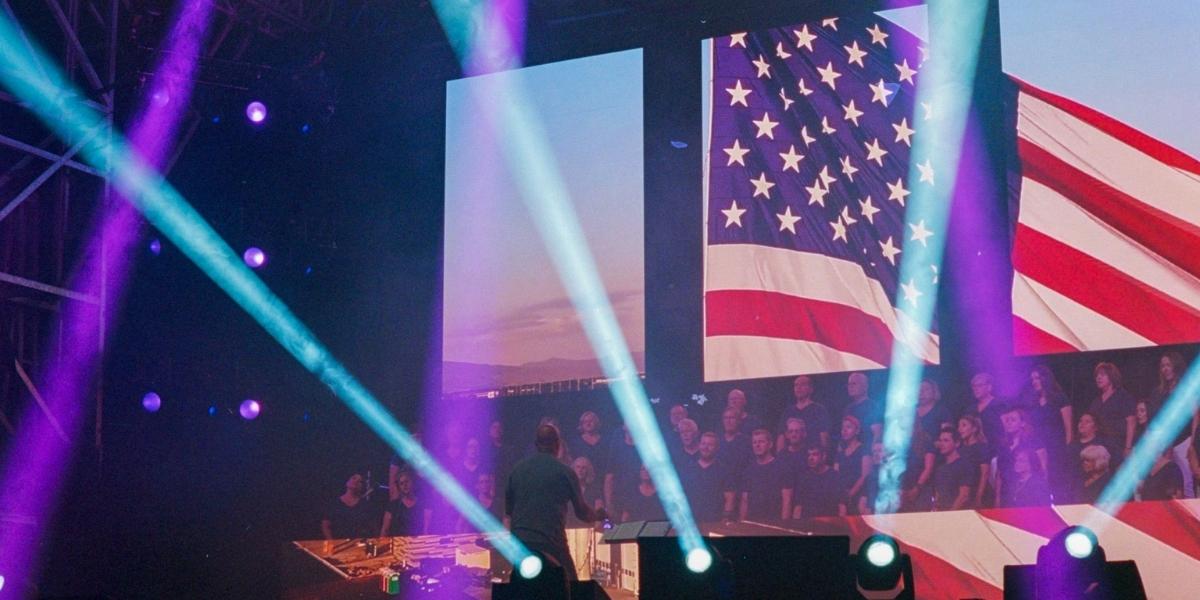
Live performances provide a unique opportunity for artists to connect with their audiences in ways that recorded music cannot. The energy of a concert, the interaction between performer and crowd, and the shared experience of live music all contribute to a stronger bond. American Rock Scene highlights that this connection often translates into greater loyalty, which can directly impact album sales.
When fans feel personally connected to an artist, they are more likely to support their work by purchasing albums, streaming songs, or recommending the music to others. Tours create these moments of connection, reinforcing the emotional investment that drives long-term support.
This relationship also benefits independent or emerging artists. For them, live shows may be the most effective way to introduce themselves to new audiences, creating a foundation of support that carries into album promotion.
Driving Album Sales Through Live Exposure
Tours directly influence album sales by exposing audiences to new music in a live setting. Hearing songs performed live often motivates fans to purchase or stream the album afterward. Bandzoogle notes that live shows are among the most effective promotional tools for independent musicians, as they combine performance with direct marketing opportunities.
Merchandise tables at concerts often include physical copies of albums, giving fans the chance to purchase music immediately after experiencing it live. This direct-to-fan approach bypasses traditional distribution channels and creates a personal connection between the artist and the buyer.
Streaming platforms also benefit from tours. After attending a concert, fans frequently revisit setlists on streaming services, boosting play counts and visibility for the album. This ripple effect extends the impact of a tour far beyond the concert venue.
Leveraging Social Media and Technology
Technology has expanded the reach of tours beyond physical venues. Livestreamed concerts, behind-the-scenes content, and fan-generated videos all contribute to album promotion. Entertainment Monthly News points out that social media engagement during tours amplifies excitement, allowing fans worldwide to participate even if they cannot attend in person.
Artists often encourage fans to share their experiences online, creating a cycle of promotion that extends the tour’s influence. Hashtags, interactive polls, and exclusive online content tied to the tour keep audiences engaged and connected to the upcoming album.
This digital amplification is particularly valuable for smaller artists who may not have the resources for large-scale tours. Even a modest series of shows can generate significant online buzz when paired with effective digital strategies.
Financial and Strategic Considerations
Tours are not only promotional tools but also financial investments. Coordinating schedules, venues, and logistics requires careful planning. American Rock Scene emphasizes that aligning tour dates with album release timelines maximizes impact, ensuring that momentum from live performances carries into album sales.
For established artists, tours often represent a major revenue stream, with ticket sales, merchandise, and sponsorships contributing significantly to income. For emerging artists, while tours may be less profitable initially, they provide long-term value by building audiences and strengthening brand identity.
Strategically, tours also allow artists to test new markets. Performing in different cities or countries provides insight into where demand is strongest, guiding future promotional efforts and distribution strategies.
Long-Term Impact on Career Growth
The benefits of touring extend beyond a single album cycle. Consistent touring builds a reputation for reliability and performance quality, which can attract industry support and open doors to collaborations. Bandzoogle notes that live shows often lead to networking opportunities, from meeting other musicians to connecting with promoters and media outlets.
For fans, tours create lasting memories that reinforce loyalty. A positive concert experience can turn casual listeners into lifelong supporters, ensuring continued interest in future albums.
By combining live performance with strategic promotion, tours serve as both immediate and long-term investments in an artist’s career. They not only support an upcoming album but also strengthen the foundation for future success.