The Growing Demand for Authenticity
Audiences increasingly expect celebrities to show their “real” selves. Authenticity, often linked to honesty and relatability, has become a powerful way for public figures to connect with fans. As Entertainment Monthly News notes, unfiltered glimpses into daily life — from casual selfies to candid family moments — can create trust and emotional connection.
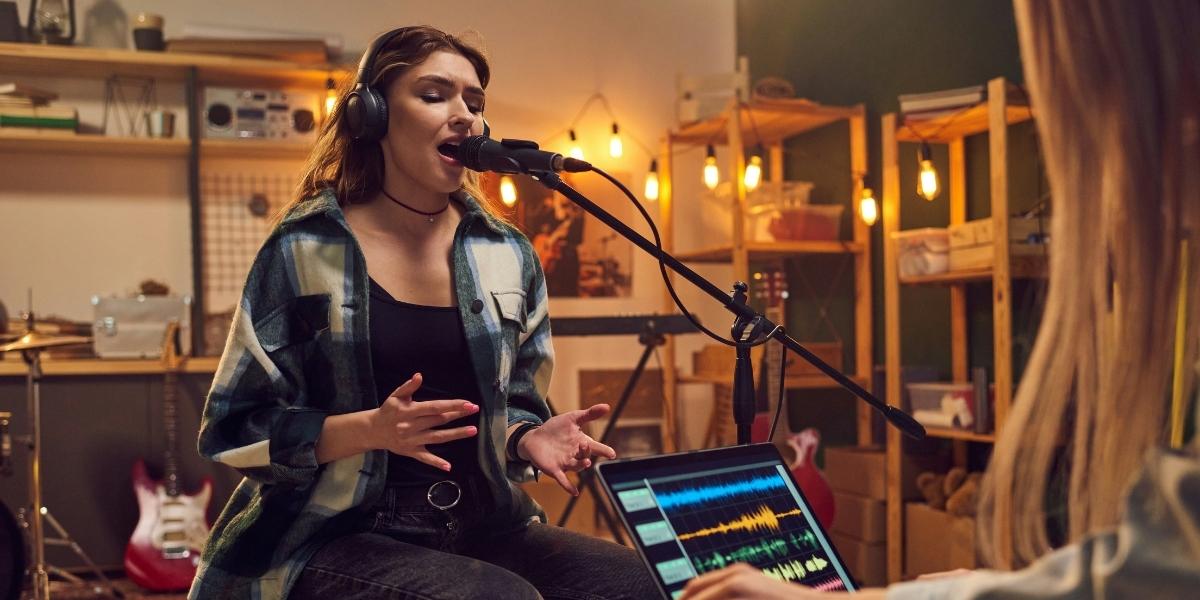
This shift reflects a cultural desire to see celebrities as people rather than distant icons. A behind-the-scenes rehearsal or a personal reflection often resonates more than a polished magazine cover.
Yet authenticity comes with risks. Oversharing can invite criticism or unwanted scrutiny, forcing celebrities to carefully weigh how much of their private lives they reveal.
Why Curation Still Matters
While authenticity appeals to audiences, curation remains essential. Curation refers to the deliberate selection of content that aligns with a celebrity’s brand. Celebrity Branding USA highlights how stars like Taylor Swift use carefully crafted storytelling, while others such as Keke Palmer lean into humor and transparency. Both approaches show that curation and authenticity can coexist.
Curation provides control over public image. It allows celebrities to highlight achievements, manage narratives, and protect aspects of their private lives. Without it, perception could become fragmented or shaped by speculation.
The balance is not about choosing one over the other. Instead, it’s about blending authenticity with curation to create a public image that feels genuine while remaining strategic.
The Role of Social Media
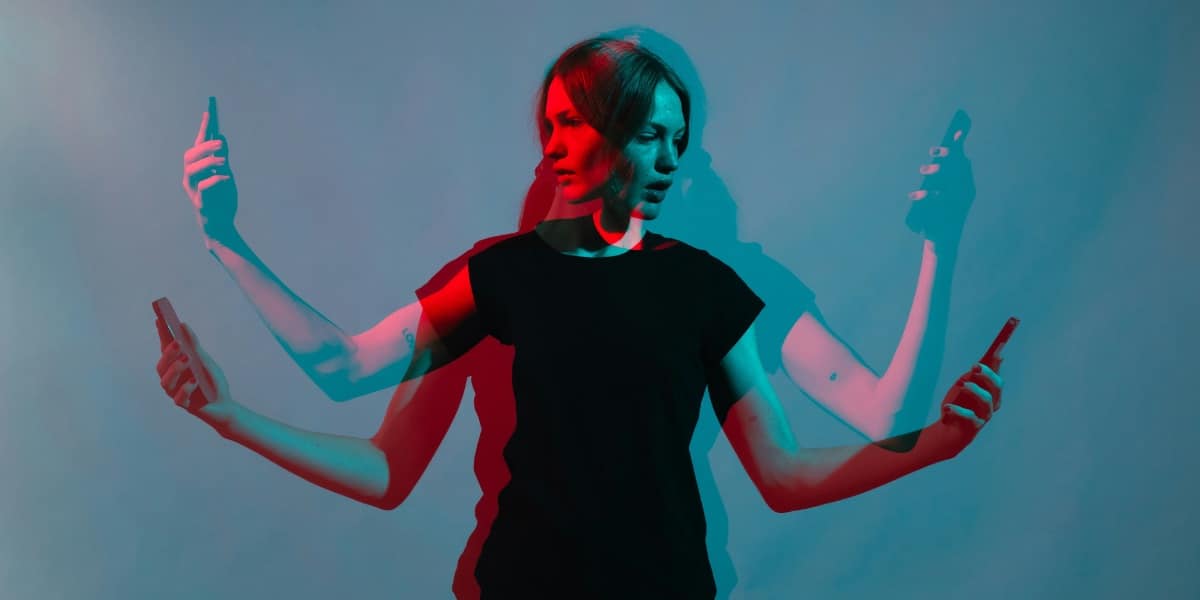
Social media has become the main stage for balancing authenticity and curation. Platforms allow celebrities to share personal updates while also promoting projects. Yet the constant visibility creates pressure to maintain both relatability and polish.
The article How Social Media Alters Our Perception of Life Milestones explains how curated posts can make even personal celebrations appear staged. For celebrities, this means every post carries weight, whether it’s a casual selfie or a red-carpet appearance.
Some manage this tension by alternating between candid and curated posts. This reassures audiences that they are seeing the “real” person while still maintaining professionalism.
Authenticity as a Career Strategy
Authenticity can also serve as a deliberate career strategy. Celebrities who embrace vulnerability often stand out in industries where perfection is the norm. Sharing personal struggles or behind-the-scenes challenges can humanize them and strengthen fan loyalty.
For example, actors who perform their own stunts often highlight this choice as a way of demonstrating commitment and authenticity. The piece Why Some Actors Perform Their Own Stunts explains that such decisions enhance credibility and deepen audience respect.
However, authenticity must be genuine. Audiences quickly detect when vulnerability is staged or exaggerated, which can lead to skepticism rather than trust.
The Commercial Dimension of Authenticity
Authenticity is not only about personal connection; it also influences brand partnerships. FasterCapital points out that endorsements are most effective when celebrities genuinely align with the products they promote. When audiences believe a celebrity truly uses or values a brand, loyalty campaigns feel more credible.
This highlights the commercial stakes of authenticity. A misstep — such as endorsing a product that contradicts a celebrity’s image — can damage both the brand and the individual. By contrast, authentic partnerships strengthen both reputation and revenue.
Managing Overexposure
While authenticity can strengthen connections, overexposure can create problems. Sharing too much of one’s personal life may blur boundaries, leaving little separation between public and private identity. This can lead to burnout or increased vulnerability to criticism.
Curation helps mitigate these risks by setting boundaries. Celebrities can choose which aspects of their lives to share while keeping others private. This balance allows them to maintain relatability without sacrificing personal well-being.
The tension between authenticity and curation is therefore not a problem to solve but a dynamic to manage. Each celebrity must find their own balance, shaped by personal comfort, career goals, and audience expectations.
Redefining Celebrity Culture
The ongoing negotiation between authenticity and curation reflects broader shifts in celebrity culture. Audiences no longer expect flawless perfection, but they still value professionalism and consistency. This creates opportunities for celebrities to redefine what it means to be public figures.
By blending authenticity with curation, celebrities can create images that are both relatable and aspirational. They can share personal stories while still maintaining control over their narratives.
As multiple sources emphasize, authenticity and curation are not opposites but complementary tools. When used together, they allow celebrities to connect with audiences while protecting their identities, ensuring that their public presence remains both human and sustainable.