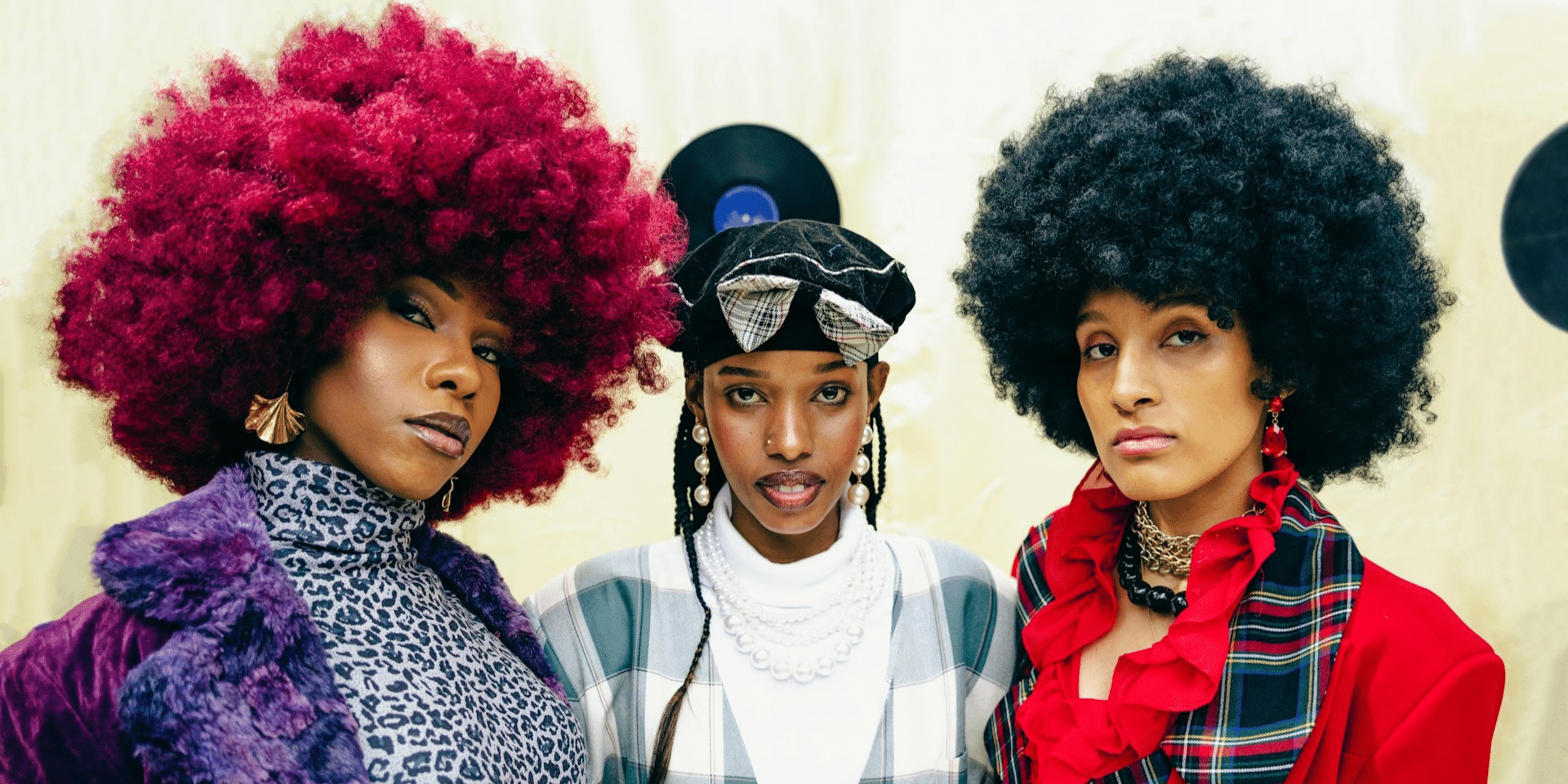
Couture, often synonymous with high fashion, represents the pinnacle of the fashion industry. However, for those who are not deeply entrenched in the world of fashion, the term can be somewhat mystifying. This article aims to break down what couture means, its significance in the fashion industry, and why it continues to captivate audiences worldwide.
Understanding Couture
Couture, derived from the French word for “sewing” or “dressmaking,” refers to the creation of exclusive, custom-fitted clothing. Couture pieces are crafted by hand from start to finish, using the finest materials and techniques. Unlike ready-to-wear fashion, which is mass-produced, couture garments are made to measure for individual clients, ensuring a perfect fit and unparalleled quality.
Haute couture, which translates to “high sewing” or “high dressmaking,” is the most prestigious form of couture. It is governed by the Chambre Syndicale de la Haute Couture in Paris, which sets stringent standards for fashion houses wishing to be recognized as haute couture designers. These standards include creating made-to-order clothing for private clients, maintaining an atelier (workshop) in Paris with a minimum number of full-time staff, and presenting collections twice a year with at least 50 original designs.
The Significance of Couture
Couture is renowned for its artistry and craftsmanship. Each piece is a work of art, showcasing the designer’s vision and the meticulous skills of the artisans. The creation process involves intricate techniques such as hand embroidery, beading, and pleating, which can take hundreds of hours to complete. This dedication to detail and quality sets couture apart from mass-produced fashion.
Couture is synonymous with exclusivity and prestige. Because each garment is custom-made, couture clients are assured a unique piece tailored to their specifications. This exclusivity is a significant part of couture’s allure, attracting celebrities, royalty, and high-net-worth individuals who seek one-of-a-kind clothing. Wearing couture is often seen as a status symbol, reflecting the wearer’s taste, wealth, and access to the fashion elite.
Couture often serves as a laboratory for innovation in fashion. Designers experiment with new materials, techniques, and silhouettes, pushing the boundaries of what is possible in clothing design. These creative explorations influence broader fashion trends, trickling down to ready-to-wear collections and even mass-market fashion. While not everyone can afford couture, its impact is felt throughout the fashion industry.
The Process of Creating Couture
The couture process begins with a consultation between the designer and the client. During this meeting, the client’s preferences, measurements, and requirements are discussed. The designer then creates sketches and selects fabrics, ensuring that every detail aligns with the client’s vision.
Once the design is finalized, a pattern is created based on the client’s measurements. A toile (a prototype garment made from inexpensive fabric) is produced to check the fit and make any necessary adjustments. Multiple fittings may be required to perfect the garment before the final fabric is cut.
The final garment is meticulously handcrafted by skilled artisans. This process involves cutting, sewing, and finishing the fabric, as well as adding any embellishments such as embroidery, lace, or beadwork. Each step is performed with precision to ensure the highest quality and craftsmanship.
The World of Haute Couture Fashion Houses
Several fashion houses are synonymous with haute couture, including Chanel, Dior, and Givenchy. These iconic brands have a long history of creating exquisite couture pieces that have defined elegance and luxury. Each season, they present their haute couture collections in Paris, showcasing their latest creations to the world.
In addition to established fashion houses, emerging designers are making their mark in the world of couture. Designers such as Iris van Herpen and Giambattista Valli are known for their innovative approaches and unique aesthetics. These new voices bring fresh perspectives to couture, ensuring its continued evolution and relevance.
The Role of Couture in Modern Fashion
Couture remains a staple on the red carpet and at high-profile events. Celebrities often choose couture gowns for awards shows, film premieres, and galas, knowing that these custom creations will make a statement and ensure they stand out. Couture’s association with glamor and luxury makes it the perfect choice for special occasions.
Couture also holds cultural and historical significance. It represents the pinnacle of fashion artistry and serves as a record of changing styles, tastes, and social norms. Couture garments are often preserved in museums and private collections, allowing future generations to appreciate their beauty and craftsmanship.
In recent years, the fashion industry has faced increasing scrutiny regarding its environmental and ethical impact. Couture, with its emphasis on quality over quantity, aligns with the principles of sustainable fashion. By creating timeless, made-to-last pieces, couture offers an alternative to the fast fashion model, promoting a more sustainable approach to clothing consumption.
Couture represents the height of fashion artistry, craftsmanship, and exclusivity. It is a testament to the skill and creativity of designers and artisans who dedicate countless hours to creating unique, custom-fitted garments. For non-fashion enthusiasts, understanding couture can provide a deeper appreciation for the artistry and effort behind these exquisite pieces. Whether through its influence on fashion trends, its cultural significance, or its role in promoting sustainability, couture remains a vital and inspiring aspect of the fashion world.