What Was the Role of Paparazzi in Traditional Celebrity Culture?
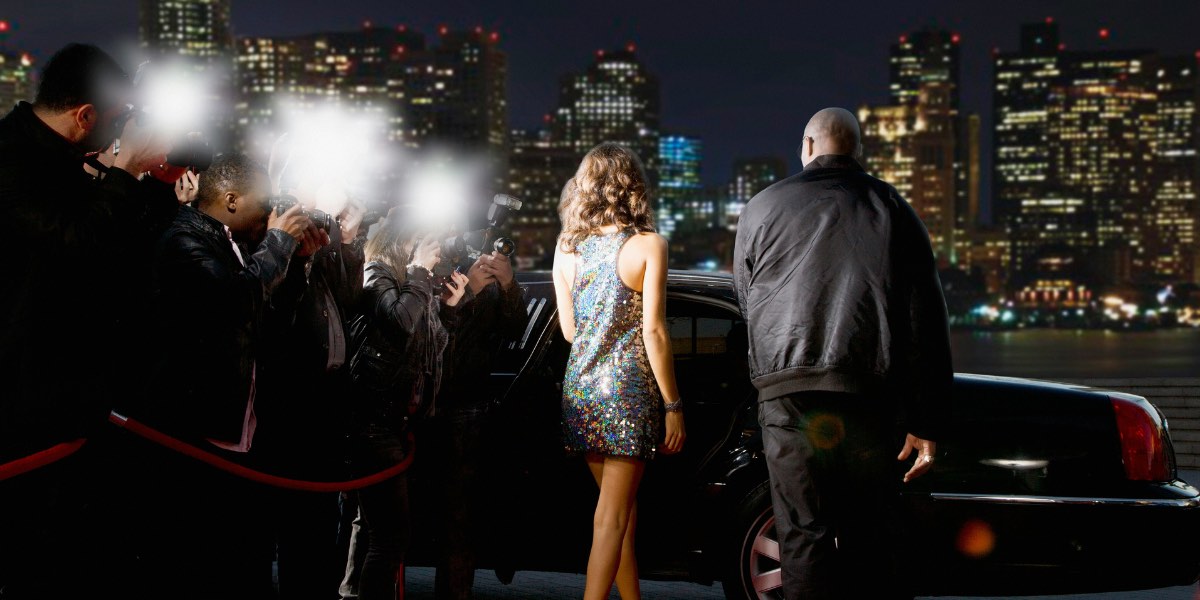
In the decades before social media dominated the public sphere, paparazzi photographers were a central force in celebrity culture. They captured spontaneous or staged images of public figures for tabloids and entertainment outlets. These candid photographs, often taken in invasive ways, offered the public glimpses into the private lives of celebrities. For many, this was their primary means of connecting with famous individuals beyond their performances or public appearances.
The appeal of these photos stemmed from their perceived authenticity. Paparazzi images showed stars outside the polished glamour of red carpets or controlled press events, presenting moments that felt real and unguarded. However, this dynamic was far from balanced. Many celebrities expressed frustration over constant surveillance, describing the emotional toll of having little separation between their personal and public lives.
Some high-profile incidents brought the darker side of paparazzi culture into focus. For example, the tragic death of Princess Diana in 1997 after being pursued by photographers sparked global discussions about media ethics. These events exposed the risks of a media industry built on intruding into people’s lives for profit, highlighting the need to balance public interest with individual privacy.
Despite this, paparazzi-driven content remained popular for years, reflecting a society fascinated with fame and eager for unscripted glimpses into the lives of its icons.
Read also: Celebrities and Nature: How Stars Embrace the Great Outdoors
How Did Social Media Change the Rules of Fame?
The arrival of social media marked a turning point in how celebrities interacted with the public and managed their images. Platforms like Instagram, TikTok, and Twitter empowered them to take control of their narrative, bypassing traditional media channels. Instead of relying on paparazzi or entertainment outlets to distribute their stories, celebrities could now share updates directly with their followers.
This shift fundamentally altered the dynamics of celebrity culture. Stars could present a curated version of their lives while maintaining a sense of connection with their audiences. By posting personal photos, engaging in conversations with fans, or revealing behind-the-scenes glimpses, they created an illusion of closeness that strengthened their public personas.
Social media also redefined what it meant to be a celebrity. In earlier eras, fame was often tied to achievements in fields like acting, music, or sports. Now, individuals with no prior connection to these industries could achieve widespread recognition through digital platforms. Content creators, commonly referred to as influencers, rose to prominence by sharing relatable stories, niche expertise, or entertaining videos. Their influence rivaled that of traditional celebrities, demonstrating the democratizing power of social media.
Additionally, social media introduced new revenue streams. Sponsored posts, brand collaborations, and personal merchandise transformed platforms into tools for financial success. This ability to monetize social media blurred the lines between fame and entrepreneurship, with some influencers building empires around their online personas.
Why Is Social Media Stardom So Appealing?
Social media stars resonate with audiences in ways that traditional celebrities often cannot. Their content feels relatable, focusing on aspects of everyday life or personal challenges. Unlike movie stars or musicians, who may seem distant or unattainable, social media influencers present themselves as authentic and approachable. This relatability is a core component of their appeal, particularly among younger audiences.
The interactive nature of social platforms further enhances this connection. Fans can comment on posts, join live streams, or even exchange direct messages, creating a sense of personal interaction. This direct communication fosters a level of loyalty that was rarely seen in the paparazzi-driven era of celebrity culture. Audiences feel as though they are part of the celebrity’s journey rather than passive consumers of their work.
For many people, social media stardom represents an achievable version of fame. While becoming a Hollywood actor or world-renowned musician might seem out of reach, building a loyal following online feels more accessible. This perception has inspired a wave of aspiring influencers and content creators, though the reality of achieving sustained success in this space is more complex than it appears.
What Are the Drawbacks of Social Media Stardom?
While social media has given celebrities more control over their image, it also comes with significant challenges. Unlike the traditional model, where public appearances could be limited to specific events, social media requires constant engagement. This expectation for round-the-clock visibility can blur the boundaries between professional obligations and personal downtime.
The curated nature of social media also has unintended consequences for audiences. While posts often highlight the most glamorous or exciting aspects of a celebrity’s life, they can create unrealistic standards. For followers, this can lead to feelings of inadequacy or comparison, as they may interpret these carefully edited snapshots as accurate depictions of reality.
For celebrities, the pressures extend beyond maintaining an online presence. Social media exposes them to new forms of scrutiny, including online criticism, trolling, and even large-scale backlash. The speed at which scandals or controversies can spread is unprecedented, making reputational damage harder to contain. This constant risk of negative attention can take a toll on mental health, even for those who carefully manage their online personas.
Where Is Celebrity Culture Headed?
The transformation of celebrity culture is far from complete. While social media continues to dominate, emerging technologies like virtual reality and artificial intelligence could introduce new ways for public figures to interact with their audiences. These innovations may offer opportunities for even closer connections, such as virtual meet-and-greets or immersive digital experiences.
At the same time, there is a growing demand for authenticity in celebrity culture. Audiences increasingly value genuine expressions over polished perfection. Whether it’s an actor opening up about personal struggles or an influencer using their platform for social good, the emphasis has shifted toward content that feels meaningful and relatable.
This shift raises questions about the sustainability of modern fame. The pressure to constantly produce content and maintain an online presence can lead to burnout, even for the most successful figures. Celebrities must navigate the delicate balance between staying relevant and protecting their mental well-being, all while responding to the evolving expectations of their audiences.
Read also: The Dual Role: Why Celebrities Excel as Models
Celebrity Culture Reflects Broader Social Changes
The evolution of celebrity culture from the paparazzi-driven era to the age of social media stars mirrors broader changes in how society interacts with media. Where once the public relied on tabloids for glimpses into the lives of the famous, they now turn to social platforms for curated yet interactive content. This shift has empowered individuals to take control of their narratives, while also introducing new challenges.
Social media has democratized fame, opening doors for a more diverse range of voices to emerge. Yet, it has also intensified the demands placed on public figures, both in terms of content creation and audience engagement. As technology continues to evolve, so too will the ways in which society defines and interacts with fame.
Ultimately, the story of celebrity culture is one of adaptation and reinvention. Whether through candid paparazzi shots or a perfectly timed Instagram post, the fascination with fame remains a constant, shaped by the tools and values of the era. As audiences continue to seek connection and meaning in a rapidly changing world, the figures who capture their attention will continue to evolve alongside them.