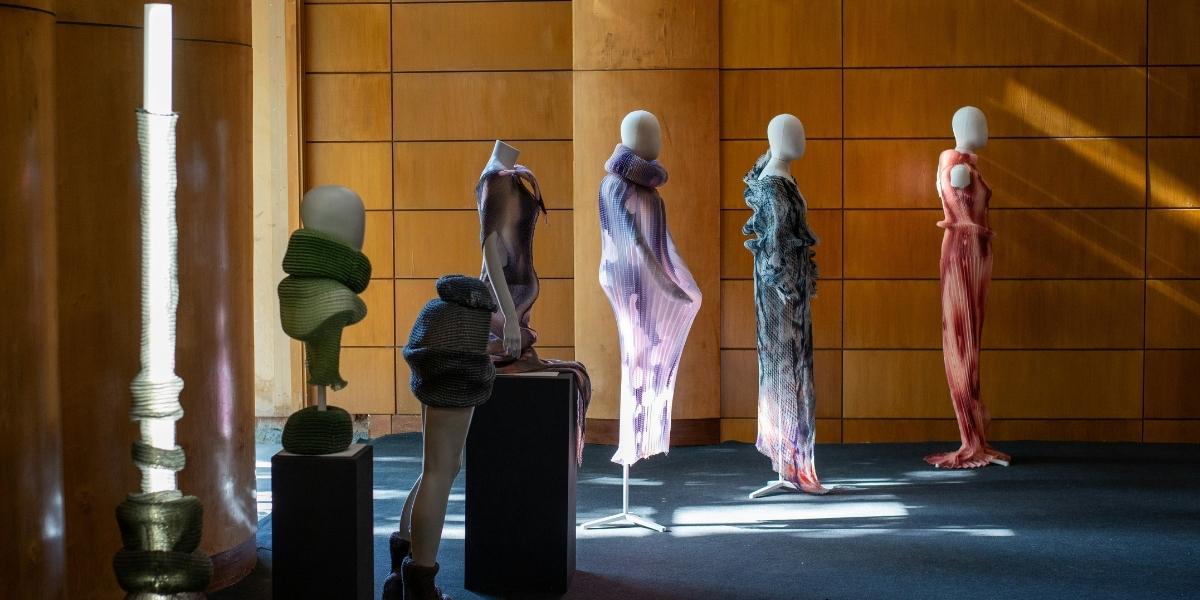
The Metropolitan Museum of Art’s Costume Institute has confirmed that the Met Gala 2026 will take place on Monday, May 4, 2026. The evening will launch the spring exhibition titled “Costume Art.”
According to official announcements from the museum and Vogue, the accompanying dress code is “Fashion Is Art.” The directive calls on attendees to approach fashion as a creative medium, reflecting the exhibition’s exploration of the dressed body and its relationship to visual art across centuries.
The exhibition will present nearly 400 works, including approximately 200 garments from the Costume Institute’s collection and around 200 artworks drawn from various departments of the museum. The presentation spans roughly 5,000 years of creative production, pairing clothing with paintings, sculpture, and decorative arts to examine how fashion has interacted with artistic traditions over time.
The exhibition will open to the public on May 10, 2026, and is scheduled to run through January 10, 2027. It will be staged in the museum’s updated gallery spaces, marking one of the largest undertakings in the Costume Institute’s history.
Met Gala Co-Chairs and Leadership Announced
The Met Gala 2026 will be co-chaired by Beyoncé, Nicole Kidman, and Venus Williams, alongside Anna Wintour, who continues her long-standing leadership role with the Costume Institute.
The museum has also confirmed the involvement of honorary chairs Jeff Bezos and Lauren Sánchez Bezos. In addition, a host committee composed of figures from fashion, film, music, and the arts will support the event. The full committee includes a range of designers, performers, and cultural leaders, reflecting the interdisciplinary scope of the exhibition.
The selection of co-chairs aligns with the exhibition’s central theme, bringing together influential figures from music, cinema, sports, and fashion to underscore the event’s connection to broader creative industries.
Inside the Costume Art Exhibition
Curated by Andrew Bolton, the exhibition examines how fashion functions alongside and within artistic traditions. The concept centers on the dressed body as both subject and object, placing garments in dialogue with artworks across eras and geographies.
Rather than isolating fashion as a standalone category, the show integrates clothing into wider artistic narratives. By positioning garments next to paintings, sculpture, and decorative objects, the exhibition emphasizes fashion’s historical role within visual culture.
The exhibition structure is organized around thematic interpretations of the body, highlighting how clothing shapes identity, form, and meaning. The scale of the show, with close to 400 objects, reflects the Costume Institute’s expanded curatorial ambitions and its growing prominence within the museum.
The Met Gala serves as the official opening fundraiser for this exhibition, continuing its tradition of supporting the Costume Institute’s annual programming.
Fashion Is Art: A Broader Red Carpet Mandate
The Met Gala dress code, “Fashion Is Art,” marks a thematic shift from previous years centered on specific designers, historical periods, or singular cultural movements. Instead, the 2026 directive offers a conceptual framework rooted in artistic interpretation.
Designers and attendees are expected to interpret the theme through craftsmanship, silhouette, and visual reference, aligning their red carpet appearances with the exhibition’s emphasis on dialogue between fashion and art.
The red carpet functions as an extension of the exhibition’s thesis, presenting contemporary fashion in conversation with artistic history. The approach reinforces the Costume Institute’s position within the museum as a department dedicated not only to style but to material culture and artistic expression.
Met Gala’s Role in American Cultural Life
The Met Gala remains one of the most prominent annual cultural events in the United States. It operates as a fundraiser for the Costume Institute and marks the public debut of each year’s spring exhibition.
Over decades, the event has evolved into a high-visibility intersection of fashion, celebrity, philanthropy, and museum programming. While the spectacle of the red carpet attracts global attention, the primary purpose remains institutional support for the Costume Institute’s research, acquisitions, and exhibitions.
With “Costume Art,” the Met Gala 2026 underscores fashion’s placement within the broader canon of art history. The pairing of garments with fine art across 5,000 years positions clothing not merely as adornment, but as an enduring element of visual and material culture.
As preparations move forward toward May 4, 2026, the focus now turns to how designers and attendees will interpret the theme within the framework of art history and museum presentation.
What will the Met Gala reveal next as fashion and art continue to converge under the Costume Institute’s expanding vision?