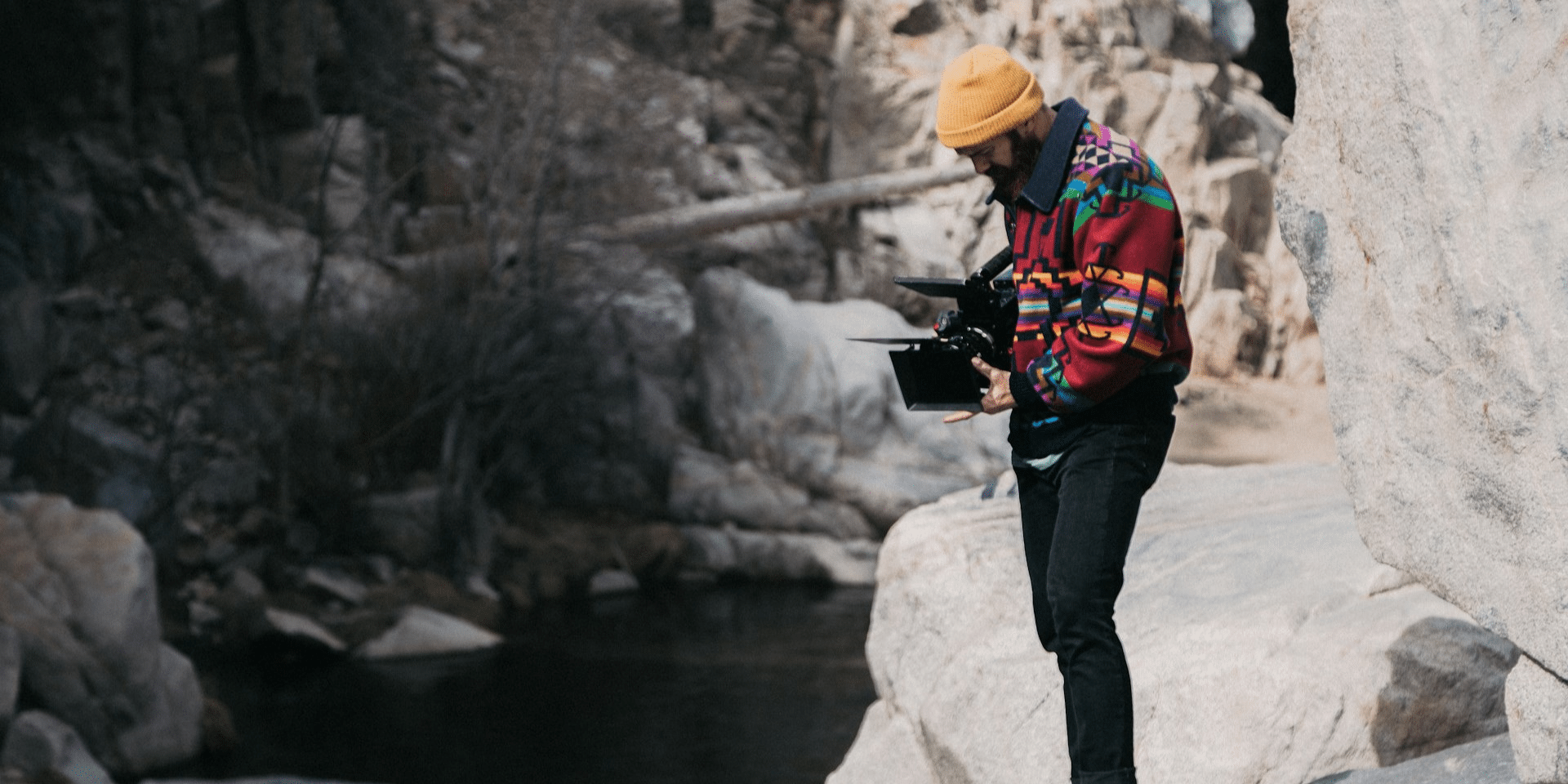
What Found Footage Means in Horror
Found footage refers to a filmmaking style where the story is presented as if it were discovered recordings. These films often use handheld cameras, security footage, or character-operated devices to create a sense of realism. In horror, this format is used to heighten tension and make events feel immediate.
The technique relies on minimal editing and natural lighting. This helps create the impression that viewers are watching unfiltered events. Dialogue may feel improvised, and camera movement is often shaky or abrupt. These choices support the illusion of authenticity.
Found footage horror typically includes timestamps, glitches, or framing devices like missing persons reports. These elements help explain why the footage exists and why it’s being shown. This structure supports storytelling without traditional exposition.
The format is often used in stories involving isolation, supernatural events, or unexplained phenomena. It allows horror to unfold gradually, with viewers piecing together events as they happen. This pacing supports suspense and encourages close attention.
Why Found Footage Appeals to Horror Audiences
Found footage appeals to horror audiences because it feels personal and unpredictable. The format creates a sense of proximity, placing viewers inside the story rather than observing from a distance. This closeness supports emotional response and sustained tension.
The style also supports ambiguity. Found footage often avoids clear resolution, leaving questions unanswered. This uncertainty mirrors real-life confusion and helps maintain discomfort. Viewers may feel unsettled not because of what they see, but because of what’s left out.
Budget constraints can support creativity. Found footage films often use limited effects and small casts. This encourages focus on atmosphere, pacing, and sound. These elements can be more effective than elaborate visuals in creating fear.
The format also supports viral marketing. Films like “The Blair Witch Project” and “Paranormal Activity” gained attention through word-of-mouth and online speculation. Their presentation as “real” footage helped blur fiction and reality, increasing curiosity and engagement.
Found footage horror often reflects contemporary anxieties. Themes may include surveillance, digital exposure, or loss of control. These concerns resonate with viewers and help ground supernatural or extreme events in familiar settings.
How Filmmakers Use Found Footage Techniques
Filmmakers use found footage techniques to shape tone, structure, and audience response. These choices affect how the story unfolds and how viewers interpret events.
Camera placement affects perspective. A fixed camera may suggest surveillance or detachment, while a handheld device supports intimacy and urgency. Switching between sources helps vary pacing and maintain interest.
Sound design plays a key role. Found footage often uses ambient noise, sudden silence, or distorted audio to signal tension. These cues guide emotional response without relying on traditional scoring.
Editing is minimal but intentional. Cuts may reflect battery loss, damage, or time jumps. These transitions support realism and help structure the narrative. They also allow for surprise, as viewers may not know what’s coming next.
Character behavior supports believability. Performances are often naturalistic, with actors reacting rather than performing. This helps maintain immersion and supports emotional connection.
Lighting and setting affect mood. Found footage often uses dim or natural light, supporting atmosphere and limiting visibility. This encourages imagination and supports fear through suggestion.
The article The Impact of the Horror Genre on an Actor’s Career explores how horror roles shape performance and public perception. Found footage adds another layer, requiring actors to balance realism with intensity in unpredictable environments.
Why Found Footage Remains Popular
Found footage remains popular because it adapts well to changing technology and audience habits. As viewers become more familiar with digital formats, the style feels increasingly natural. It reflects how people record, share, and consume media.
The format supports accessibility. Filmmakers can create compelling stories with limited resources, reaching audiences through streaming platforms or social media. This democratization supports variety and experimentation.
Found footage also supports rewatching. Viewers may notice new details or interpret events differently on repeat viewings. This layered experience supports engagement and discussion.
The style continues to evolve. New formats include livestream horror, screen recordings, and mixed media presentations. These variations reflect current habits and help maintain relevance.
Found footage horror offers a flexible, immersive way to explore fear. Its structure supports realism, ambiguity, and emotional connection, making it a lasting choice for filmmakers and audiences alike.
Internal Links Used
The Impact of the Horror Genre on an Actor’s Career
https://emonthlynews.com/the-impact-of-the-horror-genre-on-an-actors-career/