Audiences are increasingly drawn to stories that feel honest and grounded in reality. In medical media, authenticity has become especially important, as viewers seek a clearer understanding of what emergency care truly involves.
Desert Doc responds to this shift by presenting emergency medicine without filters or dramatic reconstruction. The series centers on real patients and real outcomes, offering a view that reflects the uncertainty and urgency of life inside an active emergency department.
Unlike many medical programs, Desert Doc avoids reenactments or scripted scenarios. Every case shown is drawn from actual emergencies treated at Medical Center Hospital in Odessa, Texas. The hospital serves an expansive region that spans roughly 38,000 square miles, creating conditions where medical decisions often carry added pressure. By keeping the camera on real events, the series preserves the complexity of emergency care as it unfolds.
This commitment to realism shapes how viewers understand medical outcomes. Emergencies do not follow neat story arcs, and Desert Doc reflects that truth. Some patients recover, others face long-term complications, and some outcomes remain uncertain. By showing these realities, the series encourages a more accurate view of emergency medicine and the difficult decisions made under time constraints.
The educational value of Desert Doc lies in its clarity rather than instruction. Viewers are not guided by narration that simplifies events or assigns judgment. Instead, they witness how teams assess symptoms, prioritize care, and respond to evolving conditions. This approach allows the audience to observe how medical reasoning works in real time, without exaggeration or staged drama.
The series also highlights the broader system surrounding emergency care. Footage includes coordination between Medical Center Hospital and Odessa Fire Rescue, where emergency response begins long before a patient arrives at the hospital. This continuity of care reveals how first responders and emergency physicians rely on shared protocols and communication. It also underscores the challenges of providing care across a vast and often remote region.
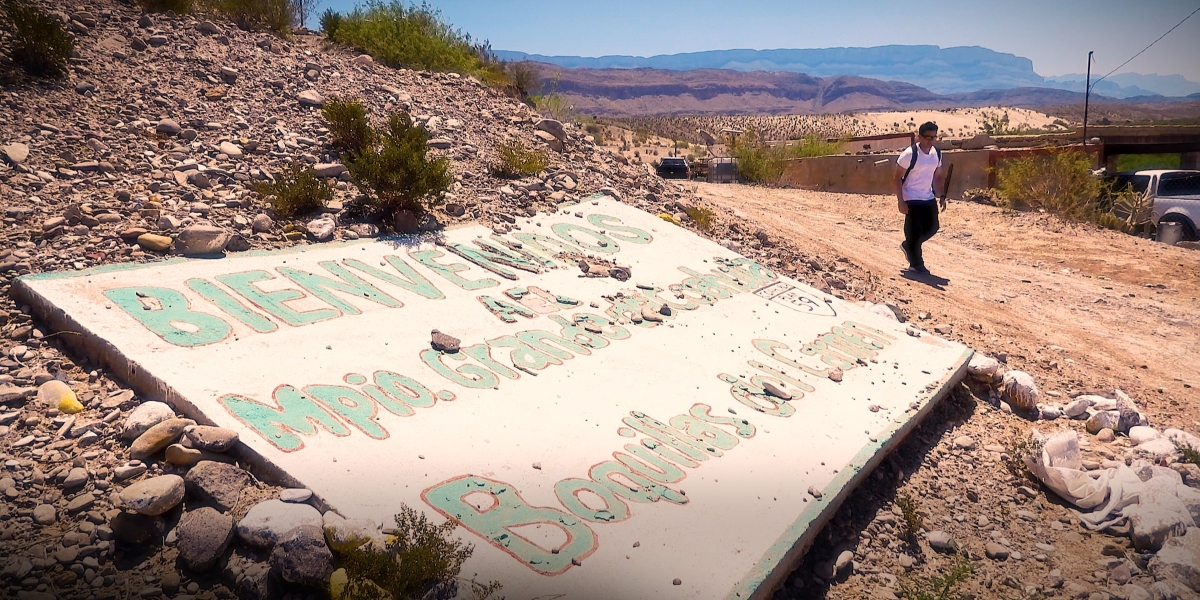
Beyond the emergency room, several themes in the series extend into wider public health and crisis response. Episodes explore efforts to address the opioid crisis, including a trip to Washington, D.C., to participate in national conversations about addiction and treatment. The series also documents a medical mission across the Rio Grande to a remote village, where limited access to care presents different challenges. Footage from Iraq reflects Dr. Bose’s experience with combat medicine and battlefield trauma.
The series also reflects on mass casualty preparedness through visits to sites such as New York City’s September 11 memorial, placing emergency response within a broader historical and national context.
Dr. Sudip Bose plays a central role in this environment. As an emergency physician and medical director for Odessa Fire Rescue, his work bridges both pre-hospital and in-hospital care. His presence on the series reflects years of frontline experience in high-pressure settings. Rather than serving as a narrator or on-screen personality, Dr. Bose is shown working within the team, focused on patient care and outcomes.
By including real patients, the series also carries ethical responsibility. Consent, privacy, and dignity remain central considerations throughout production. Desert Doc does not frame patients as spectacles or reduce cases to shock value. The goal remains documentation rather than dramatization, allowing stories to emerge naturally from the care being provided.
Recognition from industry organizations has followed this approach. The series has received a Telly Award and earned an Emmy nomination, reflecting acknowledgment of its documentary standards. These milestones point to the impact of presenting medicine without embellishment. They also highlight the value of restraint in medical storytelling.
Desert Doc demonstrates that real outcomes carry greater weight than scripted resolution. By showing emergency care as it exists, the series contributes to a more informed public understanding of medicine. It respects the complexity of both patients and providers. In doing so, it reinforces the importance of accuracy, accountability, and humanity in medical representation.
Disclaimer: This article is for informational and editorial purposes only. It is not intended to provide medical advice, diagnosis, treatment, or emergency care guidance. Viewers and readers should consult qualified medical professionals for health-related concerns and call emergency services in urgent situations. Any patient stories, outcomes, or medical scenarios referenced in connection with Desert Doc may vary by individual case and should not be interpreted as typical or guaranteed results.