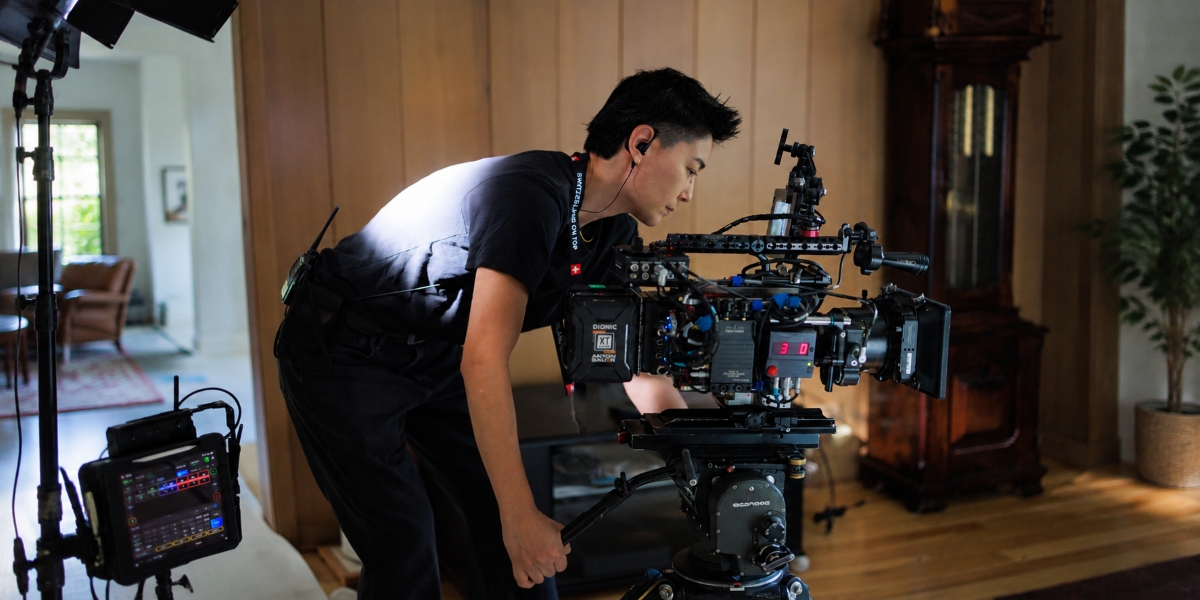
Caroline Mariko Stucky, an award-winning cinematographer and filmmaker, expands the usual discussion of film as a form of escapism; she emphasizes that not only do audiences get a chance to step outside their everyday lives and experience the world through other perspectives, but filmmakers also inhabit temporary worlds and find relief from reality.
Caroline Mariko Stucky on Why Filmmaking Becomes Its Own Escape
Caroline Mariko Stucky grew up in Switzerland in a Swiss-Japanese family full of cinephiles, giving her endless opportunities to watch films, from Charlie Chaplin to Twister, Independence Day, Jurassic Park, and Titanic. For two to three hours, movies became portals into other worlds. Those experiences shaped Caroline Mariko Stucky’s desire to become a filmmaker. Once she moved behind a camera, she quickly realized that making a movie is also a form of escapism.
Watching a movie temporarily teleports a person somewhere else, but making one requires the filmmaker to build that world from the ground up. For every new script, they have to enter another world. It has its own set of rules, rhythms, characters, and emotions. First, it is born in their imagination, then it grows into moving images, location, lighting, movement, stillness, costumes, makeup, sound, and music.
The escape is not limited to the director or producer; it happens to others on set as well. A cast and crew spend weeks or months living inside the same story. They work long hours and deal with countless moving parts while remaining focused on one shared goal. For a period of time, the outside world becomes less immediate. There is a different rhythm to the day, different problems to solve, and a group of people trying to turn an idea into something tangible.
The Collective Escape of Making a Film
The collaborative part of making the film matters just as much. Film brings together artists who may have never worked together before and asks them to create a common language. Caroline Mariko Stucky describes the experience of working with artists and friends as one of the most rewarding parts of filmmaking.
After long days, cast and crew sit together, talk, exchange ideas, and imagine what a better world could look like. That is where escapism also takes on another meaning for them. Imagining another world can become a way of thinking about this one.
Turning Escapism Into Something Personal with Chin Up, My Dear
Chin Up, My Dear follows David, played by Mickey Dolan (Daybreak), a young man trying to help his recently widowed grandmother Ellie, played by Wendy Robie (Twin Peaks), and an ordinary afternoon gradually takes an unexpected turn. Beneath the dark humor is a story about grief, independence, family expectations, and caring for each other (though in complicated ways).
Caroline’s involvement in the project carried a personal sense of continuity. It was her second collaboration with writer and director Josh Wolff, following Hâfu, and she reunited with producer Lauren Sowa, who had also worked on both films. The familiarity between the collaborators created room for another shared creative experience, this time around a story that depends heavily on the chemistry between two generations.
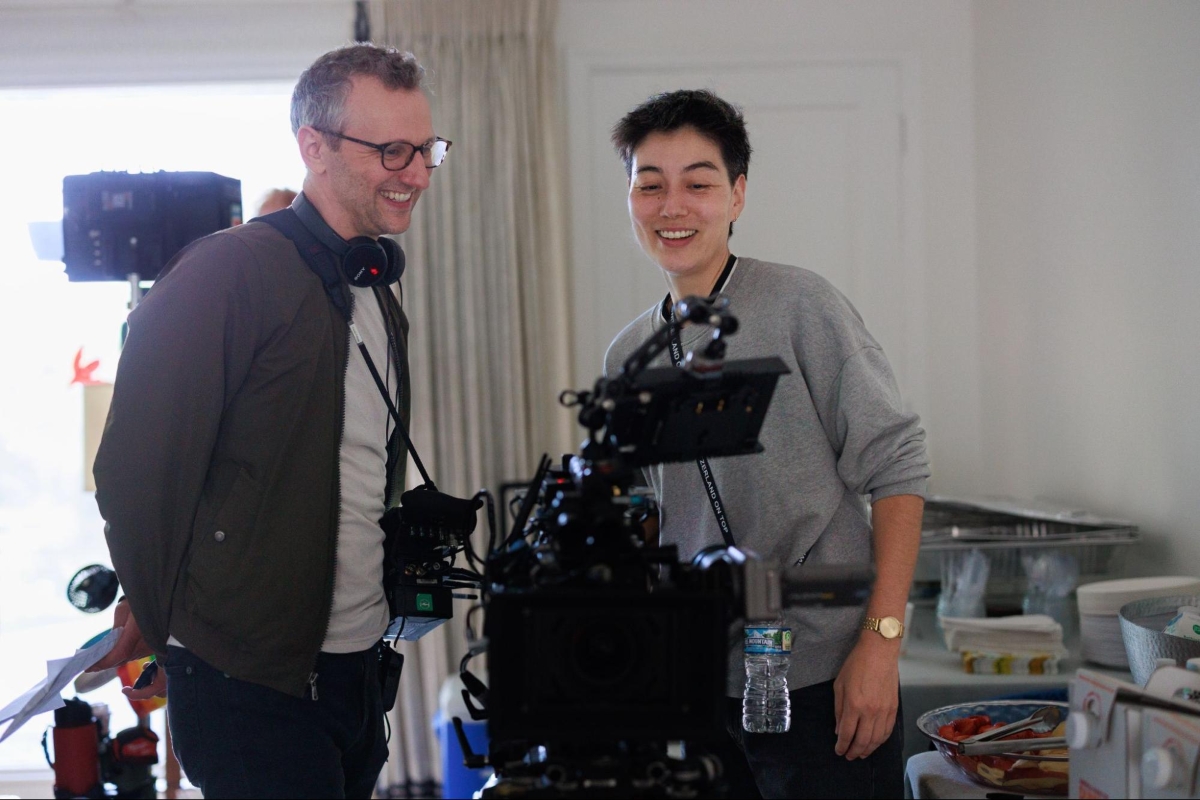
The film also demonstrates why escapism does not have to mean fantasy. Audiences can escape into another person’s life just as easily as they can escape into another universe. By spending time with David and Ellie, viewers are invited to look at grief, aging, family concern, and independence from the outside. The distance created by fiction can make difficult subjects easier to sit with.
Finding Another World on Astrological
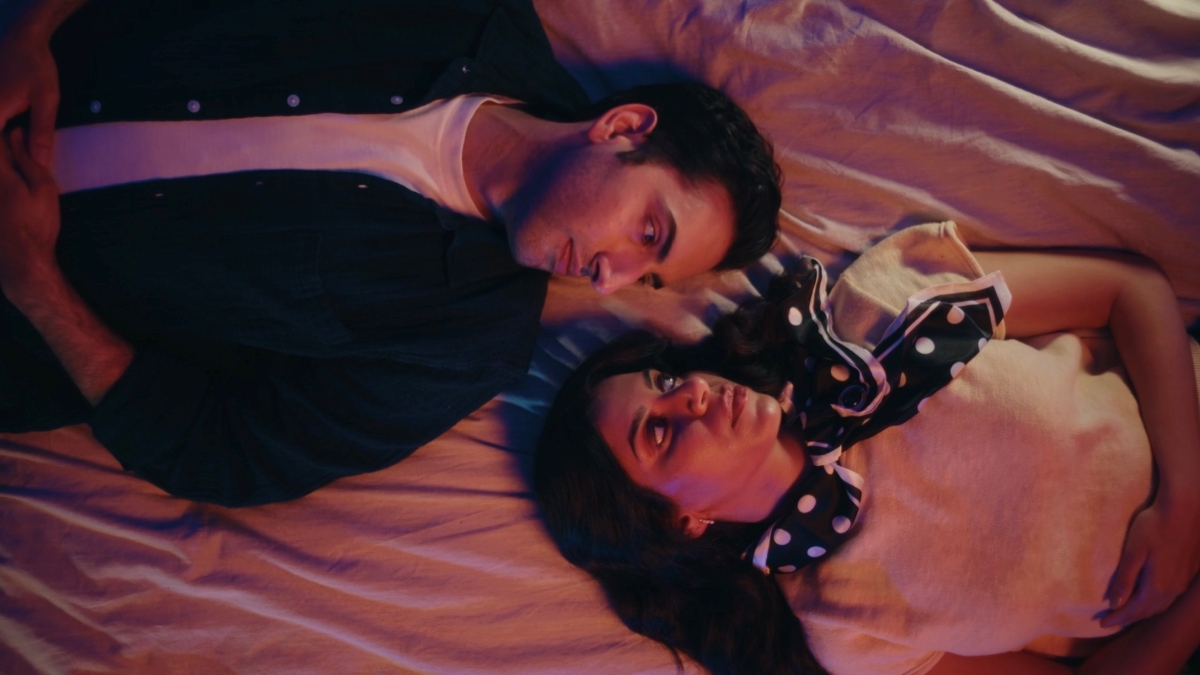
Astrological, written, directed, and starring Kabir Chopra, follows Raj, a young man who believes he’s cursed to die if he doesn’t marry by 30. His solution is to date all twelve zodiac signs. The project deals with a familiar anxiety: the pressure to find a partner, the fear of being alone, and the feeling that everyone else has figured out relationships while you are still trying to understand your own life.
This project offered Caroline Mariko Stucky another kind of escape. It was her first collaboration and her first time working with many of the crew members. Yet the experience quickly became one she did not want to end. When a group of people becomes deeply invested in a fictional world, leaving the set can feel like leaving a temporary life behind. Returning to everyday routines feels abrupt after spending so much time inside a story. Doing this with a new team gave her a different experience of escapism.
Why the Best Escape Can Change How People See Reality
Cinematographer and director Caroline Mariko Stucky’s view of film as escapism is not limited to helping people forget about reality for two hours. She extends the perspective, taking the process of filmmaking itself as an elevation from temporal bounds. Filmmakers create enough distance to see reality differently and give audiences the freedom to temporarily inhabit imaginary worlds. But the strongest films bring people back with something. According to her, that something can be a new perspective, a feeling of being understood, a little hope, or simply the sense that another way of seeing the world is possible.
Connect with Caroline Mariko Stucky on Instagram to follow her perspective on cinematography, filmmaking, and the creative process behind building worlds through film.