The modern watch industry depends heavily on international manufacturing networks. Over the last two decades, China has remained one of the largest watch production centers in the world, supplying both finished watches and components to overseas brands. Data from the Federation of the Swiss Watch Industry and multiple manufacturing reports have shown that Chinese factories continue to dominate global unit production, particularly in the OEM and ODM sectors. Within this structure, many companies do not operate as public-facing brands. Instead, they function as contract manufacturers, producing watches according to external specifications, pricing structures, and shipment schedules requested by overseas clients.
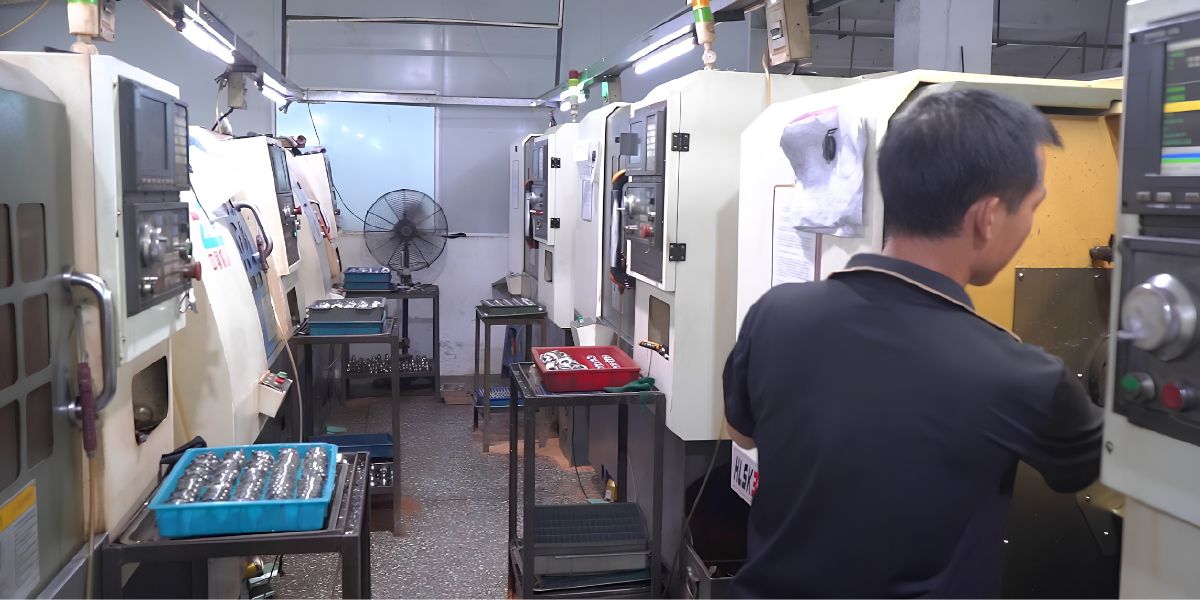
This manufacturing model expanded rapidly during the 2000s as internet access and digital communication improved across China’s export sector. Shenzhen became one of the key centers of this growth due to its manufacturing infrastructure and access to supply chains. It was within this environment that Billow Time Watch Co., Ltd. developed its operations. Public company materials state that the factory was founded in Shenzhen in 2004 by four co-founders and initially operated with 23 workers and 8 machines. Early departments reportedly included polishing, drilling, QC, and QA functions before later expansion into engineering, CNC machining, international trading, and complete watch assembly operations.
The company’s public-facing business structure has consistently centered on OEM and ODM manufacturing rather than direct retail branding. In practical terms, this meant handling communication with overseas clients who required watches produced under private-label arrangements. OEM manufacturing generally refers to products made according to client-supplied specifications, while ODM production involves manufacturing based on internally developed designs that are later adapted for external branding. Billow Time’s published materials describe both services as central parts of company operations, including customized production, technical drawing preparation, and sample development.
As overseas communication became more important after 2010, international trading functions reportedly became a larger part of the company’s internal structure. According to company information published online, management invested in machines, techniques, and customer development channels during this period while targeting overseas markets. This transition reflected broader manufacturing trends in southern China, where export-oriented factories increasingly moved from intermediary trading relationships toward more direct communication with foreign buyers. Instead of relying entirely on domestic brokers, factories began building internal teams capable of handling quotations, specifications, logistics coordination, and production scheduling directly with clients abroad.
In operational terms, international trading inside OEM manufacturing involves more than sales communication. Factories handling overseas orders typically process technical documents, packaging instructions, material requirements, and shipment deadlines across multiple departments simultaneously. Billow Time’s public documentation references CAD engineering drawings, SolidWorks files, rendering images, and confirmation procedures used before production approval. These systems appear tied closely to export coordination because overseas buyers often require exact measurements, material confirmation, and prototype verification before mass production begins.
Publicly available company information also outlines how communication structures became standardized over time. Billow Time’s OEM documentation states that customers submit design concepts or reference samples before technical drawings and quotations are prepared for approval. The company then reportedly produces prototypes based on confirmed specifications. Lead times published on the company website vary according to material and movement type. Stainless steel quartz watch samples are listed at approximately 35 to 40 working days, while automatic and specialty material watches may require longer production periods.
Export manufacturing also requires coordination beyond production itself. International orders generally involve packaging instructions, shipping methods, customs documentation, and payment procedures. Billow Time’s public FAQ and OEM pages reference logistics options including international express delivery, airline shipment, and ocean transportation. The company also lists minimum order quantities depending on watch type and production method. These details indicate a structured export workflow designed around batch manufacturing rather than individual retail distribution.
The company’s public records show that formal incorporation occurred in 2019 under the name Shenzhen Billow Time Watch Science & Technology Co., Ltd. Registration databases identify the company as an active limited liability entity involved in watch-related manufacturing and trade activities. Public filings also reference import and export operations as part of its registered business scope.
Operational growth appears tied closely to increasing internal specialization. Company descriptions published online state that the business expanded from its original departments into a larger structure that included international trading, R&D, CNC machining, customer service, and assembly units. Public materials claim the workforce later exceeded 300 employees after nearly two decades of development. While such figures originate from company-supplied information rather than independent industrial audits, they reflect how the firm presents its organizational scale within the export manufacturing sector.
International communication also influenced product flexibility. The company’s published material lists a wide range of watch case materials, including 316 and 904 stainless steel, bronze, Damascus steel, forged carbon fiber, titanium, and ceramic. In OEM production environments, such diversity is often tied to client requests rather than internal brand identity. Different overseas buyers may request variations in movement type, dial structure, waterproofing, or material composition depending on target markets and pricing segments. Billow Time’s online documentation repeatedly frames customization as part of contract production services rather than standalone consumer branding.
The company also references the use of communication platforms such as WhatsApp, Skype, email, and direct inquiry systems for overseas coordination. In export manufacturing, these channels often function as daily operational tools for reviewing drawings, confirming modifications, and managing shipment schedules across different time zones. The spread of these systems across Chinese manufacturing during the 2010s significantly reduced dependence on local intermediaries. It enabled factories to communicate directly with international buyers. Billow Time’s operational structure appears to have evolved during this same period of digital expansion within China’s export economy.
Rather than positioning itself primarily as a consumer-facing watch label, Billow Time Watch Co., Ltd. has publicly described its role as a manufacturing and production service provider within the OEM and ODM sector. Available records and company documentation consistently frame the business around export coordination, technical production workflows, and customized manufacturing for overseas clients. Within Shenzhen’s larger manufacturing network, this operational model reflects a broader pattern seen across many contract-based watch producers that developed alongside China’s expanding export economy after the early 2000s.