By: Kate Sarmiento
Somewhere along the way, shopping stopped feeling personal and started feeling strangely competitive.
One person buys a pair of mesh ballet flats because social media insists they are “essential.” Three days later, everyone suddenly decides chocolate brown is the only acceptable neutral. A week after that, the internet moves on again, leaving closets full of expensive impulse purchases that barely survived a single season. Fashion used to evolve gradually. Now it refreshes faster than people can pay off their credit card statements.
Jane Pabon Boutique has watched more women walk through its doors carrying the same frustration: closets packed with clothing that somehow still feels disconnected from who they are.
The issue is rarely a lack of options. Most people already own more than enough. What they are missing is clarity. They want pieces that actually work together, pieces that are versatile and can be worn repeatedly without feeling dated or uncomfortable. That shift is becoming impossible to ignore.
Consumers are becoming a lot more selective with how they spend, mostly because people are tired of buying things that feel exciting for approximately six minutes before getting buried in the closet. Constant trend cycles and endless online selling have started wearing people out. Fashion is a feeling that changes in a big way, especially in luxury consignment and the secondary market, where shoppers are paying far more attention to quality, versatility, and whether something will still feel wearable long after the internet moves on to its next obsession.
Honestly, the appeal makes perfect sense. Nobody needs another blazer bought during a late-night identity crisis.
Luxury Consignment Is Changing the Way Women Shop
More often than not, the issue is not a lack of clothing; it is having too many pieces in your wardrobe. The frustration starts when none of it feels connected, wearable, or reflective of who they are anymore.
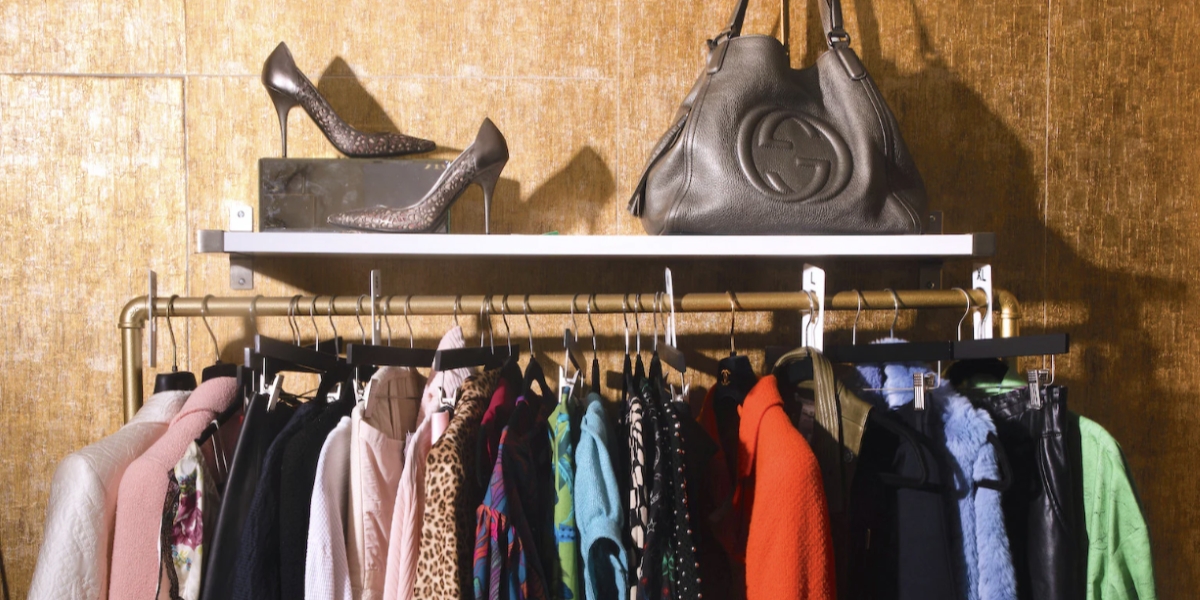
That feeling usually has very little to do with quantity. The real problem starts when wardrobes become collections of random purchases instead of reflections of personal style. A sequined jacket can be reworked with denim and a silk cami for a completely different occasion. The same pair of heels can shift from evening wear to something more relaxed depending on how they are paired. The goal is not to own more. It is to own pieces that can evolve with how you actually live.
Keeping up becomes exhausting. Financially, emotionally, aesthetically (and sometimes all three before noon).
Jane Pabon built her boutique around editing instead of excess because editing is usually the skill people never learn. After more than four decades in fashion, she understands that style becomes stronger when wardrobes become more intentional, with pieces that feel connected, versatile, and genuinely wearable in everyday life.
That is why investment pieces resonate differently right now. More consumers are paying attention to craftsmanship, tailoring, fabric quality, and whether something was actually made to last. A structured handbag carried for years feels more personal than five trendy bags bought impulsively and forgotten by winter. A beautifully tailored coat that works for dinner, travel, work meetings, and everyday errands earns its place naturally. The same goes for clothing that moves easily across seasons instead of announcing the exact year it was purchased. That is a major reason luxury consignment and the secondary market continue to grow.

Style Gets Better When People Stop Performing for the Internet
One of the strangest things social media did to fashion was convince people they needed to reinvent themselves every three weeks.
Someone who genuinely loves timeless dressing suddenly starts second-guessing everything because the internet decided a certain trend is “out” again. At some point, personal style stopped feeling personal and started feeling performative. Jane Pabon Boutique approaches style from a much more grounded perspective because the philosophy centers around understanding yourself instead of constantly chasing reinvention. Personal style naturally evolves every five to seven years anyway. Careers change, lifestyles shift, confidence grows, and eventually the things that once felt right no longer do.
Trend culture interrupts that process constantly. People end up buying clothing for hypothetical versions of themselves instead of building wardrobes that feel authentic to who they actually are and how they really live.
Intentional shopping pushes against that cycle because it encourages people to slow down before purchasing something new. In order to shop intentionally, it helps to always keep your measurements written in the notes section of your phone. Ask yourself:
• Does this piece actually work with the rest of the wardrobe?
• Will it still feel wearable next year?
• How do you feel when you put it on?
• Does it reflect personal taste, or does it simply reflect what the internet decided was popular this month?
That feeling often determines where the piece belongs in your life. Depending on how it makes you feel, it becomes easier to decide whether it is something to keep, donate, or consign. The goal is to help people become intentional in every aspect of how they shop, wear, and keep clothing.
Those questions are reshaping shopping behavior because consumers are becoming more aware of how exhausting overconsumption actually feels.
What makes Jane’s approach stand out is that the boutique experience remains deeply personal. Clients receive individualized attention instead of generic selling tactics. Sometimes that means encouraging someone to try something unexpected, and other times it means saying a piece simply does not work for them. And that honesty? Well, it is surprisingly rare in retail.
Some of the women with the strongest personal style are not constantly reinventing themselves. They know which silhouettes they love, which pieces they reach for repeatedly, and what makes them feel comfortable the second they put it on. That kind of confidence tends to last much longer than any trend cycle.
Build a Closet You Actually Want to Wear, One That Reflects You
Build a closet you actually want to wear, one that reflects who you are. Think about your style icon, regardless of finances or geography. Save photos from the internet or tear pages out of magazines and keep them in a binder or on a bulletin board for inspiration. Over time, those references help you shop with intention instead of shopping blindly.
The same mindset applies to the pieces already in your closet. Before getting rid of something, ask whether it can be reworked. Many garments simply need a different life. A dress can be shortened. A jacket can be altered. Denim is one of the hardest things to shop for, and many people pass on jeans that fit beautifully simply because they need to be hemmed.
People often feel intimidated by alterations, but a good seamstress can completely change how you shop and how you value clothing. Jane has reworked countless pieces over the years into entirely new ways of wearing them. Often, the piece is not the problem. It just needs to be seen differently. Whether you do it yourself or work with alterations, the possibilities for reworking a garment are endless.
Through personalized styling, luxury consignment, and one-on-one shopping experiences, Jane Pabon Boutique helps women build wardrobes that feel elevated, wearable, and personal. The boutique’s approach is shaped by a team with a strong instinct for style, fit, and individuality, making the experience feel far more thoughtful than traditional retail. The focus is not on chasing trends, but on helping women wear pieces that truly suit them and feel authentic to who they are.