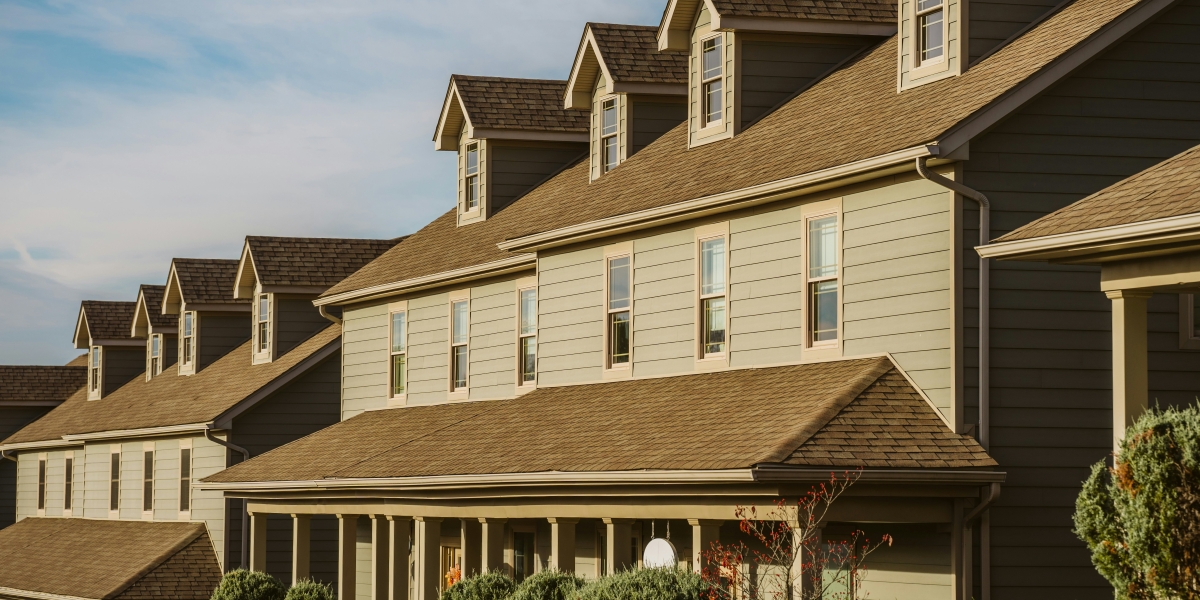
Multi-family residential architecture is undergoing a decisive evolution. Driven by shifting demographics, hybrid work patterns, rising land values, and heightened lifestyle expectations, today’s residents demand more than shelter—they seek experience. The most successful developments recognize that design now influences not only occupancy rates, but long-term community identity and asset performance.
Multi-family living is no longer defined by efficiency alone. It is defined by intentionality. Firms such as Netta Architects approach residential design as a layered strategy—balancing density, lifestyle integration, and architectural distinction to create environments that feel both aspirational and livable.
Amenity-Driven Living as Standard
Once considered a luxury differentiator, curated amenities have become baseline expectations. Residents now evaluate buildings not only by unit size and location, but by the quality of shared experiences offered within the property.
Modern multi-family developments frequently incorporate:
- Co-working lounges with private focus rooms
- Fitness centers designed for boutique-style training
- Rooftop terraces with outdoor kitchens and gathering areas
- Pet amenities including wash stations and relief zones
- Flexible community rooms adaptable for events or remote meetings
However, successful amenity integration requires more than inclusion—it demands thoughtful placement and usability. Poorly positioned spaces become underutilized. Strategically layered amenities extend dwell time, increase tenant satisfaction, and reinforce community cohesion.
Flexibility as a Design Imperative
The hybridization of work and home has permanently reshaped residential design. Units must now accommodate remote productivity without sacrificing comfort. Open-plan layouts remain desirable, but zoning within those layouts is increasingly critical.
Design solutions include:
- Built-in work niches with natural light access
- Sliding partitions for adaptable privacy
- Convertible rooms that shift between guest space and office
- Enhanced acoustical insulation between units
Flexibility extends beyond individual apartments. Shared workspaces reduce the pressure on in-unit square footage while offering professional-grade environments steps from home.
Buildings that anticipate evolving lifestyle patterns demonstrate long-term relevance.
Smart Integration and Digital Infrastructure
Technology has moved from optional upgrade to foundational infrastructure. Residents expect seamless connectivity, app-based access control, package management systems, and integrated building services.
Smart home features—climate control, lighting automation, and energy monitoring—enhance convenience while supporting sustainability goals. In parallel, developers benefit from operational efficiencies through centralized building management systems.
Digital integration must be invisible yet intuitive. When technology supports daily life without overwhelming it, residential environments feel contemporary rather than complicated.
Designing for Density Without Compromise
As urban land constraints intensify, multi-family developments must achieve higher densities while preserving livability. The key lies in spatial strategy rather than unit compression.
Natural light optimization through building orientation and courtyard design enhances interior quality. Thoughtful setbacks maintain human scale at street level. Vertical circulation cores are positioned to maximize usable floor area without sacrificing openness.
Balconies, terraces, and shared outdoor spaces introduce breathing room within compact footprints. Layered landscaping softens transitions between private and public zones.
Density, when orchestrated thoughtfully, produces vitality rather than overcrowding.
Biophilic and Wellness-Oriented Elements
Health-conscious living continues to influence residential design. Access to natural light, ventilation, and outdoor environments ranks high among tenant priorities.
Courtyard gardens, rooftop greenery, and landscaped pathways foster restorative micro-environments. Interior materials that incorporate warmth and texture counteract the sterility often associated with high-density living.
Air quality systems, water-efficient fixtures, and sustainable material selection reinforce both environmental responsibility and occupant well-being.
Wellness-driven design is no longer niche—it is market expectation.
Mixed-Use Synergy
Increasingly, multi-family projects are embedded within mixed-use ecosystems. Ground-floor retail, integrated dining, and proximity to transit hubs enhance convenience while activating the surrounding neighborhood.
This integration reduces reliance on automobiles, supports local businesses, and strengthens community identity. Residents value the ability to walk to essentials while maintaining the privacy of residential space above.
Designing these transitions effectively—between public retail zones and private residential entries—requires architectural discipline and clear circulation hierarchy.
Architectural Identity as Competitive Edge
In competitive markets, visual identity plays a decisive role. Distinct façade articulation, high-quality materials, and cohesive branding differentiate projects within saturated urban landscapes.
However, aesthetic distinction must be grounded in context. Buildings that ignore surrounding scale or character risk alienating both residents and neighbors. The most successful multi-family developments strike a balance—contemporary yet responsive, bold yet respectful.
Architecture becomes both a marketing asset and long-term civic contribution.
The Economics of Experience
Multi-family residential design trends are not merely aesthetic evolutions—they are economic strategies. Amenity-rich environments command premium rents. Flexible layouts reduce vacancy risk. Sustainable systems lower operating costs. Strong architectural identity enhances resale value.
Developers who invest in design intelligence recognize that long-term return is tied directly to resident satisfaction and community integration.
Modern living is dynamic, connected, and experience-driven. Multi-family architecture must respond accordingly—layering function, flexibility, and identity into cohesive environments that support evolving lifestyles.
As cities grow denser and expectations rise, residential design will continue to shift from commodity to curated experience. The future of multi-family living belongs to projects that understand this transformation—where architecture does not merely house residents, but enhances the way they live.