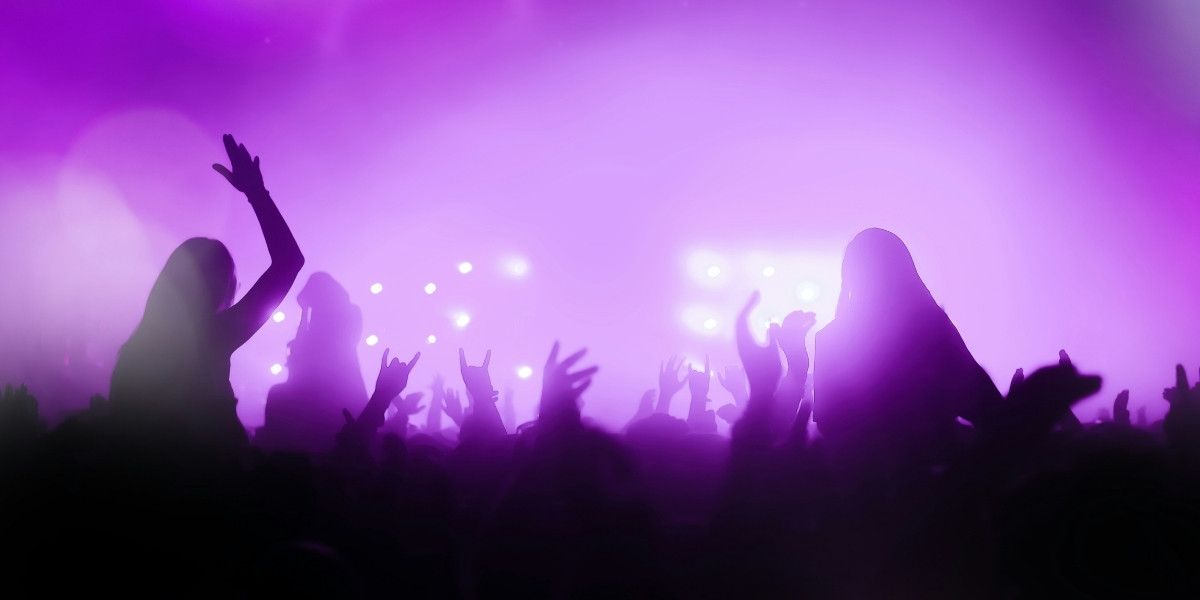
Several former members of the Pussycat Dolls appeared together during the 2026 American Music Awards for an unannounced performance that quickly became one of the night’s most discussed moments. The appearance took place during the live broadcast from the Microsoft Theater in Los Angeles on May 26 and generated immediate reactions across TikTok, Instagram, and X as viewers shared clips throughout the evening.
The performance featured choreography, music, and visual styling associated with the group’s commercial peak during the mid-2000s. Audience recordings and official broadcast footage circulated online within minutes, with many viewers revisiting the group’s role in pop music and entertainment culture during the early era of digital music downloads and music television programming.
Nicole Scherzinger led the stage appearance alongside fellow members connected to earlier versions of the group. The production incorporated synchronized dance routines, archival-inspired visuals, and costume references linked to the group’s earlier televised performances and music videos, while the broader AMAs lineup also emphasized reunion moments and legacy music acts throughout the ceremony.
AMAs Programming Focused on Legacy Music Moments
The American Music Awards included several reunion-centered segments during the 2026 broadcast, but the appearance by the Pussycat Dolls generated some of the strongest online response metrics during the ceremony. Entertainment-focused social accounts reposted clips of the performance repeatedly throughout the evening, while fan communities shared older concert footage and interview segments connected to the group’s original success period.
Award-show producers increasingly structure major music broadcasts around moments designed for immediate digital circulation, particularly among audiences active on short-form video platforms. Nostalgia-based performances have become a recurring feature across televised entertainment events as networks seek to maintain live-viewing relevance in a fragmented streaming environment.
The reunion segment was introduced without extended pre-show promotion, contributing to the rapid online reaction once the performance began airing live. Several viewers described the appearance as unexpected because the group had maintained limited public activity in recent years compared with other legacy pop acts that regularly stage anniversary tours or reunion campaigns.
The group originally emerged as a mainstream commercial success during the mid-2000s with chart-performing singles and heavily choreographed music videos that became staples across music television and early online video-sharing platforms. Their commercial rise coincided with a period when female pop groups maintained strong visibility within both radio programming and celebrity-focused entertainment media.
The AMAs broadcast integrated contemporary production technology while maintaining visual references associated with the group’s earlier era. Stage lighting, camera movement, and wardrobe design reflected aesthetics commonly associated with pop performances from the late 2000s while still aligning with modern broadcast production standards.
Social Media Activity Expanded the Reunion’s Reach
Online engagement surrounding the performance expanded significantly after clips began circulating on TikTok and X during the live broadcast window. Hashtags connected to the group trended internationally as viewers posted reaction videos, recreated choreography segments, and shared comparisons between the 2026 appearance and earlier performances.
Entertainment-focused creators and music commentators discussed the reunion throughout the following day, with many users highlighting the continued popularity of 2000s-era pop nostalgia across digital audiences. Viral reposts also introduced younger viewers to the group’s catalog through short-form clips detached from the original broadcast context.
Music nostalgia continues to perform strongly across social-media platforms because archived performances and recognizable choreography adapt easily into short-form video formats. Legacy music acts often experience renewed streaming activity following televised reunion appearances as viewers revisit catalog songs through digital streaming services.
Search activity connected to the group increased following the performance, according to publicly visible trend monitoring tools used by entertainment analysts and fan communities. Several of the group’s best-known singles also appeared in music-related trending discussions after the awards ceremony ended.
The AMAs telecast generated significant second-screen activity overall, but reunion-centered performances appeared to outperform several standard award presentation segments in terms of online discussion volume. Music-industry analysts have increasingly noted that awards-show relevance is now partially measured through post-broadcast social engagement rather than television ratings alone.
Short clips from the performance spread rapidly because the choreography and music selections remained familiar to audiences who grew up during the group’s original commercial peak. Costume styling and visual staging also contributed to meme-sharing and nostalgia commentary throughout entertainment-focused social feeds.
The Group’s Original Commercial Era Shaped 2000s Pop Culture
The Pussycat Dolls became one of the most commercially recognizable female pop groups of the mid-2000s following the release of multiple internationally successful singles. Their music videos, choreography-centered stage performances, and celebrity visibility helped position the group within mainstream entertainment culture during a period of rapid expansion for reality television, celebrity blogs, and digital music consumption.
The group’s rise coincided with a broader entertainment-industry focus on dance-oriented pop acts that combined music performance with visual branding and fashion-forward presentation. Their success extended beyond music charts into television appearances, endorsement partnerships, and live touring activity.
Nicole Scherzinger later pursued solo projects and television work, including appearances connected to music competition programming and stage productions. Other members also remained active across entertainment and media industries after the group’s commercial peak years concluded.
Over time, reunion speculation periodically surfaced online, particularly during anniversary discussions tied to major songs and performances associated with the group’s catalog. However, large-scale televised appearances involving multiple members remained relatively limited compared with the group’s earlier visibility.
The return appearance at the AMAs reflected ongoing entertainment-industry interest in revisiting artists associated with the early digital-pop era. Television producers and streaming platforms continue investing in music nostalgia programming because older catalog acts frequently maintain multigenerational recognition across both longtime fans and younger social-media users.
Audience familiarity with the group’s choreography and visual presentation contributed to the immediate recognition factor during the performance. Many online reactions referenced specific dance sequences and fashion elements associated with the group’s earlier televised appearances and music videos.