
By: Lennard James
Honoring the extraordinary life of a Stax Records trailblazer, educator, mentor, and woman whose influence helped shape the sound and soul of Memphis music.
MEMPHIS, Tenn., The Memphis music community is remembering the remarkable life and enduring legacy of Josephine “Jo” Bridges, a pioneering music executive, producer, educator, and cultural leader whose contributions helped shape one of the most influential eras in American soul music. Bridges, who passed away on October 1, 2026, at the age of 94, leaves behind a legacy defined by artistic vision, leadership, mentorship, and an unwavering commitment to helping others succeed.
Born in 1932, Bridges belonged to a generation that witnessed Memphis emerge as an international center of musical innovation. Throughout her life, she understood that music was more than entertainment. It was a powerful expression of identity, culture, community, and opportunity. Her professional journey reflected a deep appreciation for the creative talent surrounding her and a determination to ensure that deserving artists received opportunities to share their gifts with the world.
Bridges became an important figure in the history of Stax Records, the legendary Memphis recording company whose influence helped transform American popular music. In 1970, she co-founded We Produce Records, a label associated with Stax, working alongside music executive Tom Nixon. The venture provided a platform for emerging talent and contributed to the development and promotion of artists whose recordings became part of the rich musical heritage of Memphis.
Among the artists associated with We Produce Records were The Temprees, Ernie Hines, Lee Sain, and Lou Bond, performers whose music reflected the distinctive creativity and emotional depth of the Memphis soul tradition. Through her work, Bridges contributed to an environment where musical talent could be recognized, developed, and introduced to audiences beyond the city.
At a time when leadership opportunities for women, particularly Black women, were limited throughout the entertainment industry, Bridges demonstrated that knowledge, determination, relationships, and professional excellence could create meaningful opportunities. Her contributions represented an important chapter in the history of women working behind the scenes in the music business.
While audiences often celebrate the singers and musicians whose performances become legendary, the success of those artists also depends upon the executives, producers, educators, and mentors who recognize their potential. Bridges was among those individuals whose work helped support the creative process and advance the careers of others.
Her influence, however, extended well beyond the recording studio.
Bridges was deeply committed to education, community involvement, and the development of young people. Her experience as an educator shaped her understanding of the importance of mentorship, preparation, and providing opportunities for individuals to discover their talents. She recognized that the future of Memphis music depended not only upon preserving its history but also upon encouraging new generations of creative professionals.
Those who knew Bridges remembered a woman of intelligence, warmth, honesty, and generosity. She possessed the ability to make others feel welcomed and valued, whether they were established professionals or young individuals beginning their journeys. Her personal relationships reflected the same principles that guided her professional life: respect, compassion, integrity, and a genuine interest in the success of others.
Throughout the years, Bridges remained connected to the Memphis music community and the people who helped establish the city’s international reputation. Her contributions were part of a cultural movement that continues to influence artists, producers, historians, and music enthusiasts around the world.
In 2026, Bridges was recognized as a Dowd Award honoree, acknowledging her contributions to Memphis music and the cultural heritage she helped preserve. The recognition celebrated a career that extended far beyond individual recordings or business accomplishments. It honored a woman whose influence helped strengthen the foundation of an industry that remains central to Memphis’ identity.
Her passing represents the loss of another important connection to the city’s remarkable musical history. Yet the significance of her work continues through the recordings, artists, professional relationships, and memories that remain part of the Stax legacy.
For those who study the history of Memphis soul music, Bridges’ story offers an important reminder that the city’s musical achievements were built through collaboration. Behind every memorable performance stood individuals who believed in the music, supported its creators, and worked to bring those recordings to the public.
Bridges understood the value of those partnerships. She recognized that success in the entertainment industry required more than talent alone. It demanded preparation, perseverance, professional relationships, and people willing to invest their time and energy in the dreams of others.
Her life also serves as an inspiration to women pursuing careers in music, business, education, and leadership. She demonstrated that influence is not always measured by public recognition, but often by the opportunities created for others and the lasting contributions made to a community.
As family members, friends, former colleagues, and admirers reflect upon her extraordinary 94 years, they remember more than a pioneering music executive. They celebrate a woman whose kindness, creativity, and commitment to excellence enriched the lives of countless people.
Josephine “Jo” Bridges will forever remain part of the story of Memphis music, a city whose sound changed the world and whose history continues to inspire future generations.
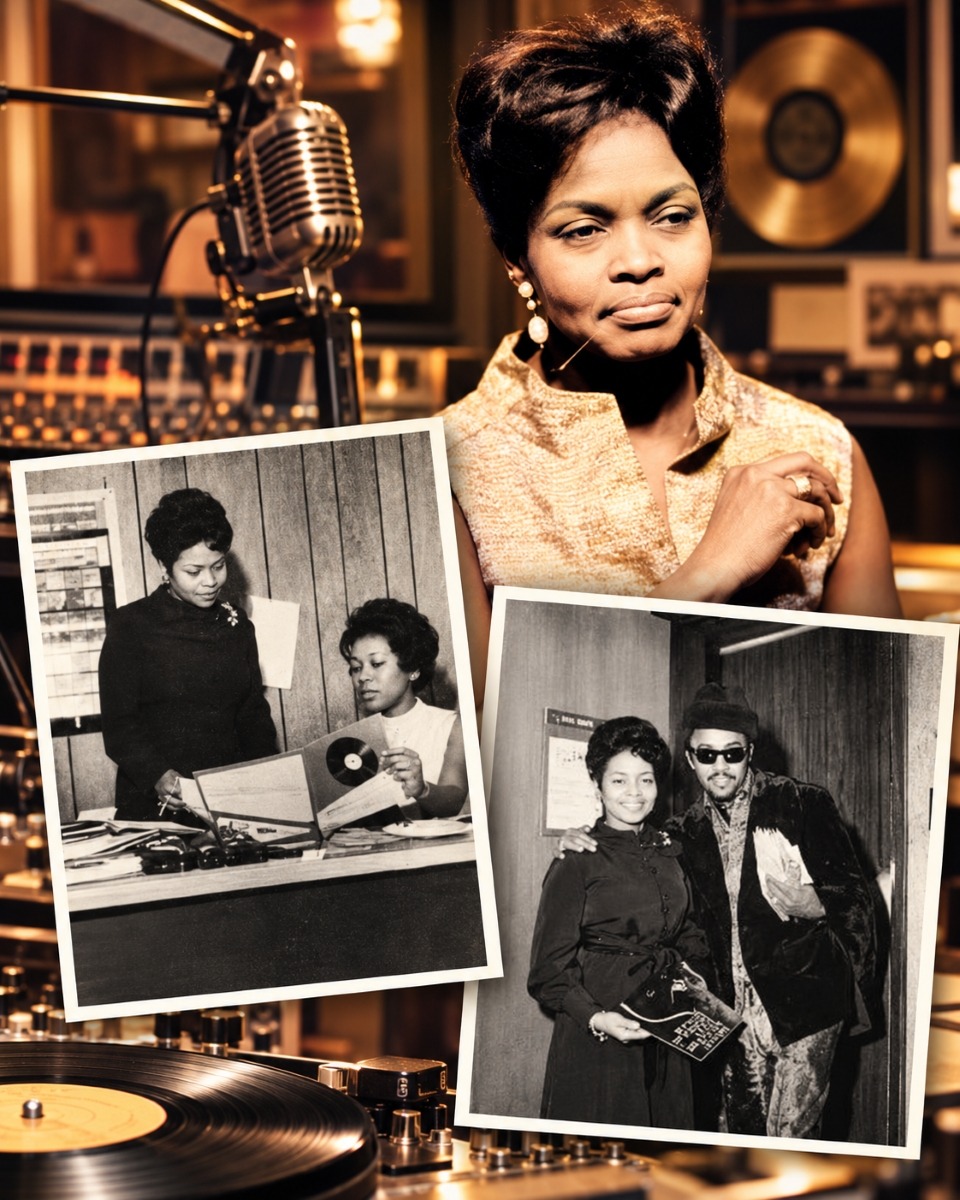
Her contributions to We Produce Records, her connection to Stax, and her dedication to education and mentorship represent a legacy worthy of remembrance and celebration.
Although her earthly journey has ended, the impact of her life continues through the people she encouraged, the music she helped bring to audiences, and the cultural history she helped create.
Josephine “Jo” Bridges was more than a pioneer in the Memphis music industry. She was a woman of vision, compassion, and purpose whose contributions will remain an enduring part of the city’s musical legacy.
Rest in peace, Josephine “Jo” Bridges. Your work, your influence, and your extraordinary legacy will never be forgotten.