By: Irene Tunanidas, Author of Rising From the Abyss of Grief
People hear the title and assume they know what they are picking up. A grief book. Something with soft edges, gentle encouragement, and a chapter about acceptance. I understand why they think that. There are a lot of books like that on the shelf.
Mine is not one of them.
I started writing in 2011, four years after my mother died. I was not writing for a publisher or an audience. I was writing because I had mental health weight that needed somewhere to go, and putting it on paper was one of the few things that helped me think clearly. What came out of those early sessions was not polished or organized. It was honest. And over the fourteen years it took me to finish the manuscript, that honesty stayed on every page.
Why Days and Not Themes
Most books about grief are organized around concepts. Stages. Emotions. Lessons. You move through chapters on anger, acceptance, or how to talk to people who do not know what to say to you.
I organized my book by days. Thirty of them.
That was not an accident. When you are in the worst of grief, you do not think in themes. You think in days. You think about getting through today. Whether you got out of bed. Whether you ate something. Whether you made it to the end of the day without falling apart completely. A structure built around days reflects how grief actually moves, which is not in neat emotional categories but in small, uneven increments of time.
Each day in the book gives the reader something specific to hold onto. A reading. A reflection. A prompt. Something to do with the day in front of them when the day feels impossible to fill.
The Coleslaw, the Letters, and Why They Are in There
I know the coleslaw surprises people. A recipe in a grief book is not what anyone expects to find, and when I mention it, I can see people trying to figure out what it is doing there.
Here is what it is doing there. Grief takes you out of your body. It removes appetite, routine, and the ability to make even small decisions about daily life. Day Ten of the 30-day guide asks the reader to go into the kitchen and make something. Not because coleslaw is meaningful or symbolic. Because your hands need something to do. Because your body needs to remember that it is still a body that can prepare food and sit down and eat. Because moving through a simple, familiar task is sometimes the only way back into the day.
The sample letters work the same way. Grief makes it hard to reach out. You want to reconnect with someone you have drifted from, or thank someone who showed up for you, and you do not know how to start. So I wrote a starting point. A letter you can use as a template, adjust to fit your situation, and send when the blank page feels like too much.
These are not additions to a spiritual guide. They are part of it. The spiritual and the practical are not separate things. They work together, and in the hardest seasons of life, you need both.
What the Greek Orthodox Foundation Actually Does for the Book
My faith is Greek Orthodox. It has been the backbone of my daily life for as long as I can remember, through my childhood, through my mother’s illness, through the years of grief that followed her death, and through the writing of this book.
I want to be clear about something. This book is not a sermon. It does not ask the reader to hold the same beliefs I hold or belong to any particular tradition. What the Greek Orthodox foundation gives the book is depth and structure. It is a tradition that has been sitting with grief, mortality, and the question of how to keep living, for a very long time. The prayers and readings I draw from are not decorative. They are tools that I actually used, on actual difficult days, to find my footing again.
What that gives the book is a theological seriousness that most grief books do not have. It does not reach for easy comfort. It asks real questions and sits with them. For readers who want faith engaged honestly rather than used as a soft blanket, that difference matters.

What Makes This Book Different From the Others
I have read grief books. I know what most of them do. They are written from the other side of the experience, once the author has found their footing again and can look back at the hard part with some clarity. That distance makes them useful in some ways. It also makes them feel, at certain moments, like they are describing something different from what you are currently living.
My book was written close to the experience. When I went back to the manuscript after more than a decade away, the flashbacks came with it. Writing about my mother’s hospitalizations brought the memories back in ways that stopped me mid-session. I had to step away, let my mind clear, and come back when I could. The book carries all of that inside it.
I think that is what makes it useful in a way the tidier books are not. It does not describe grief from a safe distance. It describes it from the middle, where most readers are actually sitting when they pick it up.
On Being Seen for the First Time
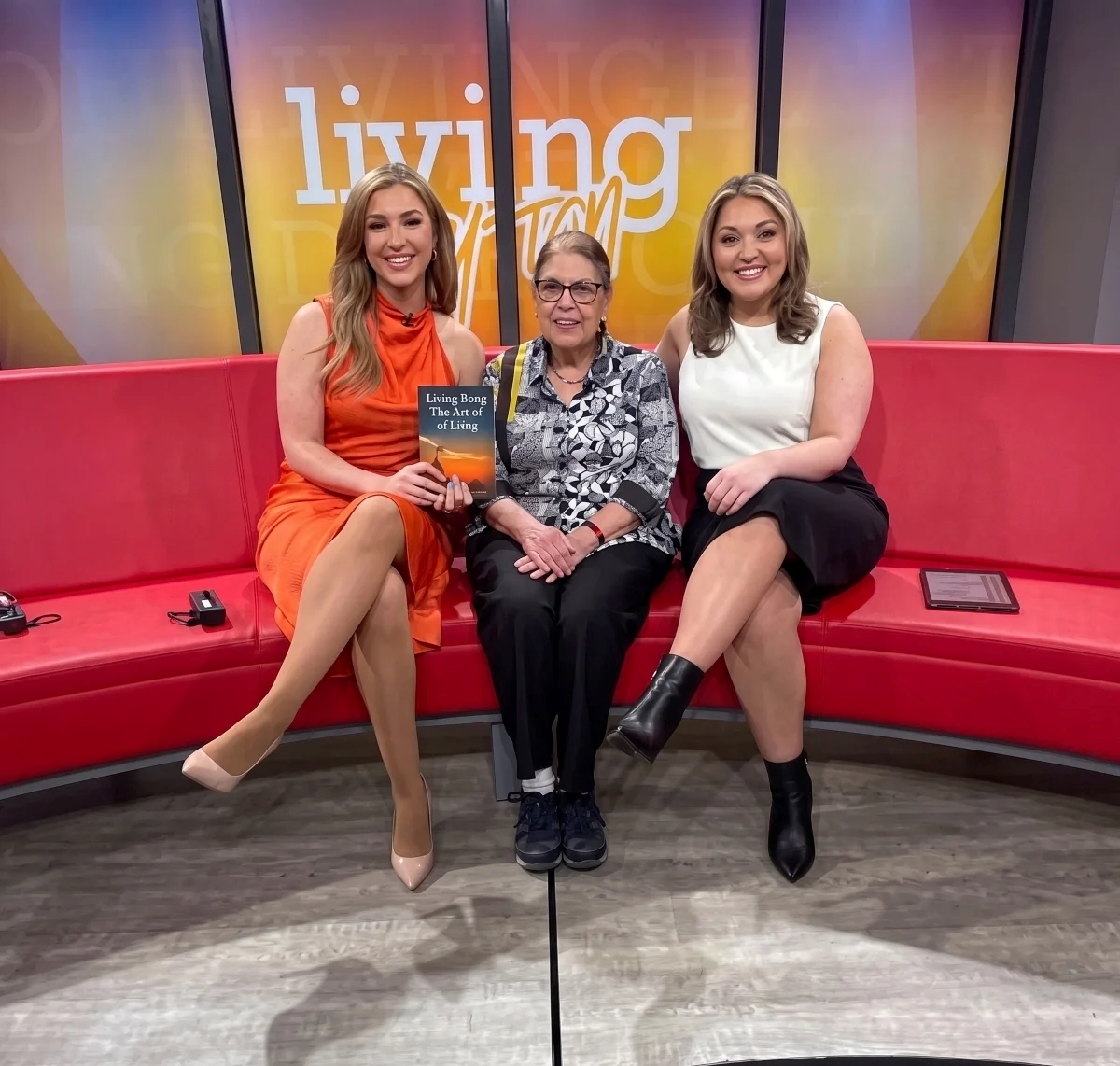
This year, I had the opportunity to speak about my book and my life on WDTN-TV’s Living Dayton segment. I sat with a sign language interpreter beside me and talked about what the book is, where it came from, and what I hope it does for the people who read it.
I have never been someone who looked for that kind of attention. Forty years in a classroom, years leading the Ohio Association of the Deaf, three years caring for my mother at home. Most of that work happened in rooms where nobody was watching. The television appearance was different, and I will not pretend the response did not mean something to me.
People recognized the experience. They had been in some version of it themselves. That is exactly what I wrote the book for. Not to be recognized, but to reach the people who needed to know that what they were going through was real, that it was hard in the ways they thought it was hard, and that there was still a way forward even when it did not feel like it.
Rising From the Abyss of Grief is available now. It is part memoir, part 30-day devotional, and entirely its own thing. Pick it up if you are tired of grief books that do not tell the truth about what grief actually looks like.