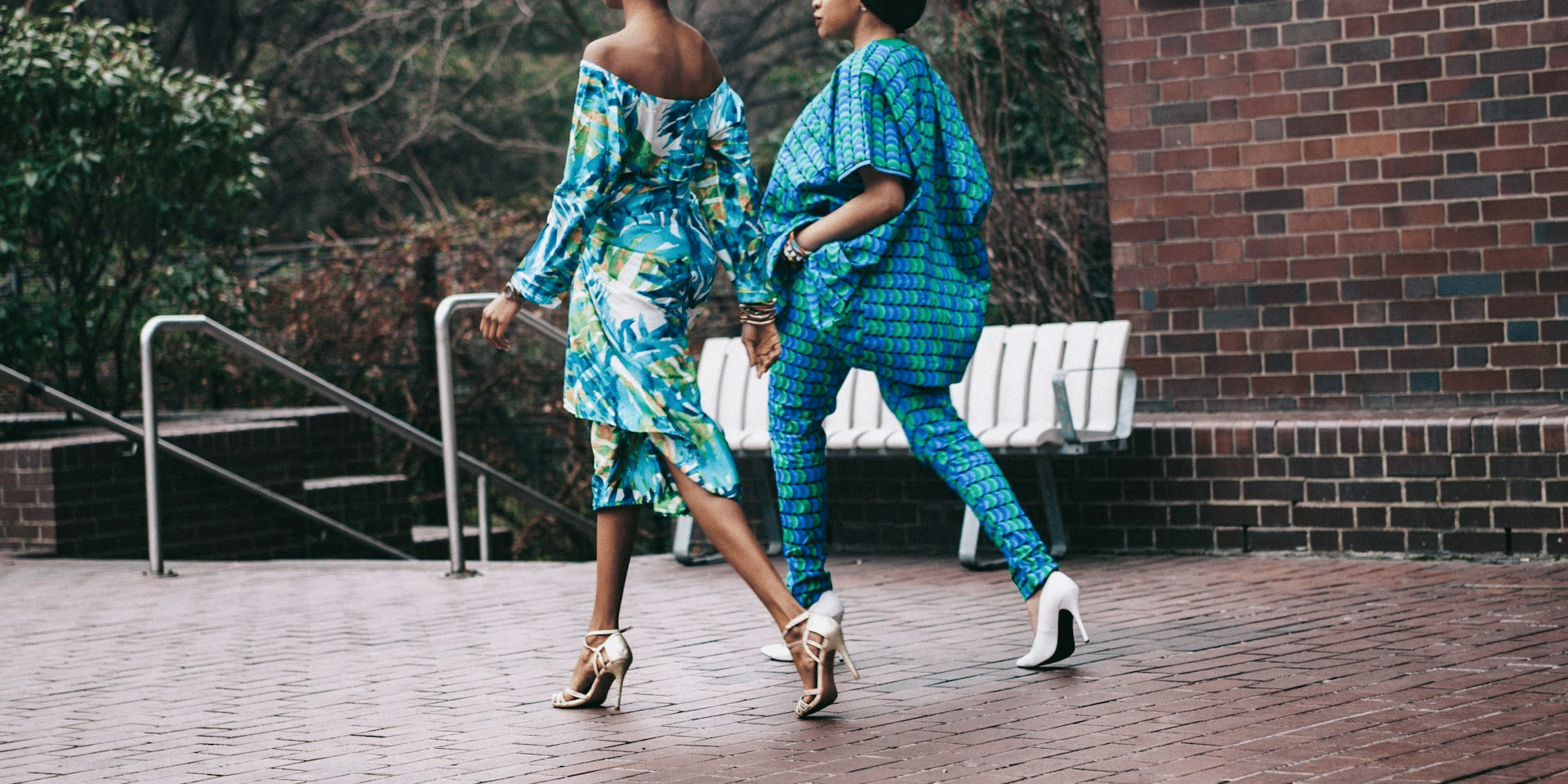
Imagine a world without high heels. No clicking down the sidewalk, no teetering on the dance floor, no added inches of confidence with every step. While these iconic shoes might seem like a permanent fixture in the fashion world, their journey through history is a fascinating tale of changing trends, cultural influences, and the ever-evolving concept of beauty. So, let’s lace up our historical knowledge and strut down memory lane to explore the evolution of high heels over the decades.
From Aristocratic Elevations to Everyday Statements
The origin story of high heels takes us back surprisingly far. Imagine ancient Egyptians and Persians rocking elevated footwear, often reserved for the upper class. These early high heels were more about practicality than fashion, as they provided a status symbol and helped navigate uneven terrain. Fast forward to Europe in the 16th and 17th centuries, and high heels became all the rage among the aristocracy, both men and women. Think chunky platforms and block heels, crafted from wood or cork and often dyed vibrant colors to showcase wealth and extravagance. As a report explains, “Early high heels were a symbol of social status, signifying wealth and power.”
The evolution of high heels continued in the 18th century, with the rise of the stiletto. Imagine a slender, pointed heel that became synonymous with femininity and elegance. Think iconic figures like Marie Antoinette, whose towering heels symbolized not just fashion but her extravagant lifestyle. However, these early stilettos were notoriously difficult to walk in, often requiring assistance and even causing injuries. Safety wasn’t exactly a priority back then when it came to achieving the perfect silhouette.
From Wartime Utility to Post-War Glamour
The 20th century saw a dramatic shift in the evolution of high heels. With the outbreak of World War I and World War II, practicality took center stage. Imagine women entering the workforce in droves, swapping stilettos for sturdier shoes suitable for factory jobs and wartime activities. However, the post-war era brought a renewed focus on glamor and femininity. The 1950s saw the return of the stiletto, this time championed by fashion icons like Marilyn Monroe and Christian Dior. These high heels were sleek, sexy, and emphasized the hourglass figure that was the ideal silhouette of the time.
The following decades continued to see the evolution of high heels in exciting ways. The 1960s brought the rise of the kitten heel, a more comfortable and versatile option popularized by Twiggy. The 70s saw the platform heel make a comeback, offering a bold and disco-inspired look. From the 80s power pumps to the 90s minimalist chic, each decade has left its mark on the world of high heels.
Beyond the Shoe: The Cultural Impact of High Heels
The evolution of high heels isn’t just about fashion; it’s a reflection of changing social norms and gender roles. Imagine a world where high heels were a symbol of power and status for both men and women. Over time, they became increasingly associated with femininity and beauty ideals. High heels can be empowering, offering a confidence boost and a sense of sophistication. However, they can also be seen as restrictive and impractical, symbols of a beauty standard that prioritizes aesthetics over comfort.
The debate around high heels continues today. While some women choose them for personal expression and empowerment, others advocate for comfort and practicality. The future of high heels remains to be seen, but one thing is certain: these iconic shoes have left an undeniable mark on history, evolving alongside our changing perceptions of beauty, femininity, and self-expression. As the legendary shoe designer Manolo Blahnik once said, “Shoes transform your body language and attitude. They lift you physically and emotionally.” Whether a stiletto, a platform, or a kitten heel, high heels will likely continue to be a powerful tool for self-expression, sparking conversations about fashion, feminism, and the ever-evolving concept of what it means to be beautiful.