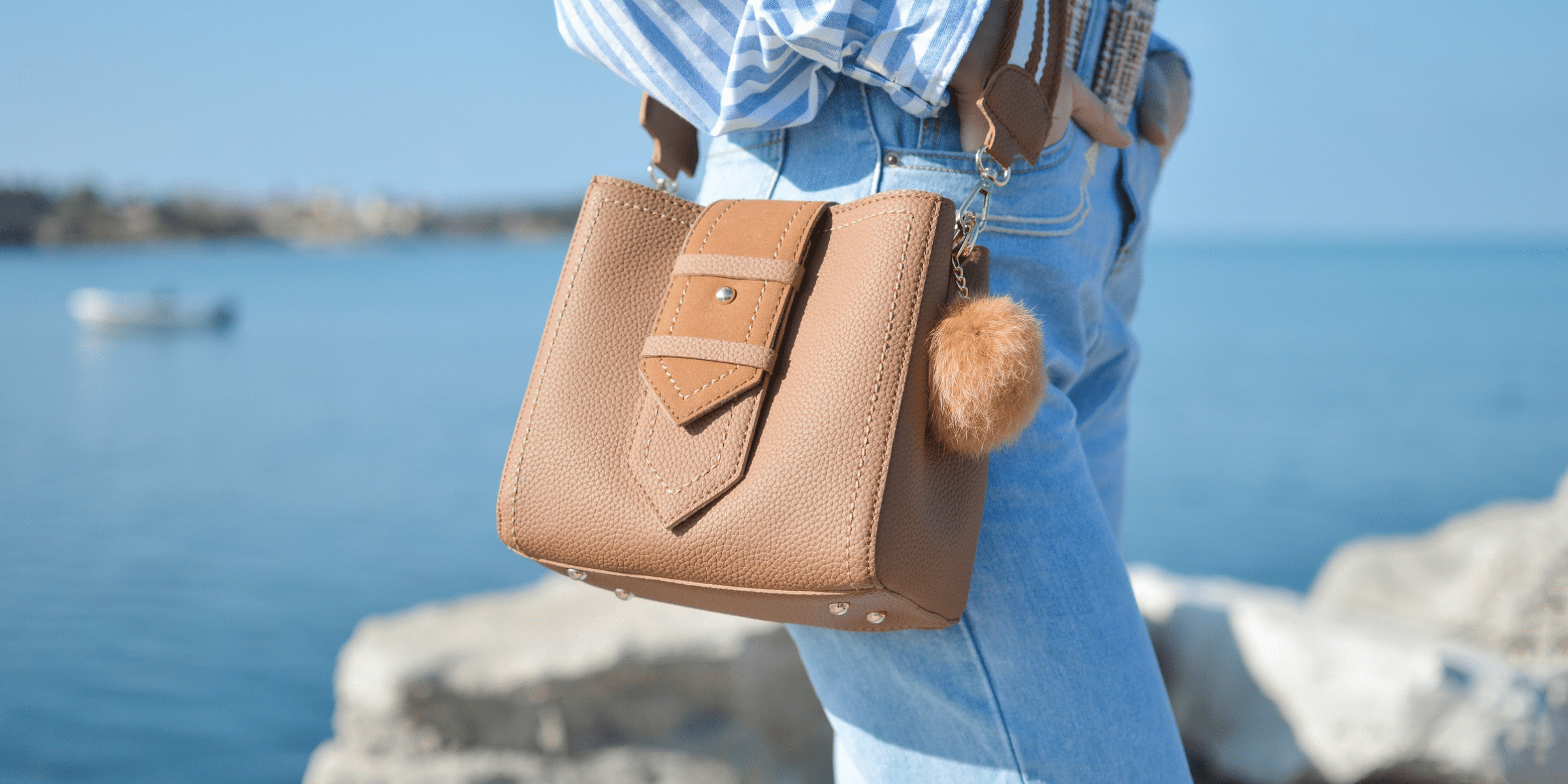
Bag charms have transitioned from simple keychain attachments to essential fashion accessories that express individuality. What was once a playful addition to handbags has become a deliberate style statement seen across designer collections and everyday streetwear. These small adornments demonstrate how accessories can influence broader trends in self-expression, personalization, and design aesthetics.
Their growing popularity isn’t just about decoration—it reflects how consumers connect emotionally to fashion. Through subtle details, bag charms let people reimagine how they interact with objects they use every day.
From Function To Fashion
Bag charms were originally practical objects. Early versions acted as key holders or identification tags for luggage and handbags. As brands began incorporating luxury materials and craftsmanship, these once-simple items transformed into decorative extensions of personal style.
By the late 20th century, high-end designers like Louis Vuitton and Fendi began including signature bag charms with their collections. These miniature accessories mirrored the design language of the main handbag—small leather pieces shaped like the brand’s logo, or crafted mascots reflecting seasonal themes. The trend quickly reached mainstream fashion, as both luxury and affordable brands saw the appeal of customization.
Today, the function of a bag charm is less about practicality and more about narrative. It communicates taste, mood, and personality through texture, color, and form. Whether it’s a pom-pom, a lettered tag, or a symbolic trinket, each charm transforms an accessory into something unique and personal.
Expression Through Customization
Fashion has always reflected individuality, and bag charms have become one of the simplest ways to personalize a look. For many, handbags are daily companions—practical yet highly visible accessories. Attaching a charm offers an easy way to modify an outfit without buying something new.
This practice resonates especially with those who see style as an evolving form of self-expression. Bag charms allow small shifts that can align with seasons, occasions, or moods. A minimal metal charm might suit a professional setting, while a colorful plush character might reflect playfulness or nostalgia.
Customization also connects emotionally to ownership. When someone personalizes their handbag, they create a sense of attachment that extends the product’s life. The bag becomes more than a functional item—it becomes a canvas of personal storytelling.
Influence Of Pop Culture And Design
Pop culture has played a major role in popularizing bag charms. Film, television, and social media have amplified their visibility, turning them from niche accessories into widely recognized symbols of style. Characters from global franchises and fashion collaborations have inspired collectible designs that blend pop culture with couture aesthetics.
Designers often draw inspiration from cultural icons and youth trends, creating limited-edition charms that double as collector’s items. These small accessories bridge the gap between luxury craftsmanship and mass appeal. Their success lies in the balance between accessibility and exclusivity—an item that feels attainable but still carries identity and artistic flair.
The adaptability of bag charms allows them to cross generations. Older consumers may appreciate craftsmanship and materials, while younger audiences engage with the charm’s visual or nostalgic appeal. This versatility keeps the trend relevant across markets and demographics.
Sustainability And The Reuse Culture
The appeal of bag charms also aligns with the growing interest in sustainability. As consumers become more conscious of waste, the ability to refresh existing items through small accessories has gained traction. Instead of purchasing new handbags frequently, many people use charms to update and refresh their style.
This approach supports a slower fashion mindset. By rotating charms, owners extend the usability of their handbags while maintaining novelty in their appearance. Designers have recognized this shift, producing eco-friendly charms made from recycled materials or ethically sourced leather.
Sustainability in fashion is often about mindset as much as material. Bag charms promote creative reuse, reminding consumers that newness can come from reimagining what they already own. Their small size and versatility make them ideal examples of how small-scale design can encourage responsible consumption.
The Psychological Side Of Small Accessories
Fashion psychology suggests that accessories can serve as emotional extensions of the self. Bag charms, in particular, reflect small but meaningful choices that reveal personality and mood. These choices often balance emotional comfort and creative confidence.
For some, carrying a charm offers reassurance or familiarity—a small object that carries personal meaning. For others, it becomes a symbol of individuality in environments where self-expression might be limited, such as workplaces or schools. The attachment between person and accessory reflects broader human tendencies toward personalization and belonging.
Even in digital culture, where trends shift quickly, these tangible expressions of personality maintain emotional relevance. The act of attaching a charm to a handbag creates a physical link between identity and object, grounding personal expression in everyday life.
The Role Of Luxury Brands
Luxury fashion houses have long understood the symbolic power of accessories. Bag charms allow these brands to reach broader audiences without diluting their prestige. They offer entry-level items that introduce consumers to brand aesthetics while maintaining exclusivity.
For example, Hermès’ Rodeo charm, shaped like a miniature horse, has become one of the brand’s most recognizable symbols. Despite its simplicity, it conveys heritage, craftsmanship, and brand identity. Similarly, Dior’s keychain charms echo its classic monogram and serve as subtle extensions of its handbags.
These pieces operate as small markers of luxury, allowing wearers to engage with design heritage in an accessible way. They also reinforce the idea that true fashion value lies not in size or cost, but in detail and meaning.
Streetwear And The Democratization Of Style
Beyond luxury, bag charms have also found a home in streetwear culture. Custom tags, enamel pins, and miniature plush figures have been reinterpreted by independent designers and small brands. This democratization of fashion blurs the line between high design and casual creativity.
Social media platforms, especially TikTok and Instagram, have further fueled this movement. Everyday users showcase their customized handbags as part of outfit inspiration videos, often featuring handmade or thrifted charms. The emphasis shifts from brand prestige to originality, celebrating individuality through resourcefulness.
This blend of luxury and accessibility defines contemporary style. Whether a charm is handcrafted or designer-made, its purpose remains the same: to express personality through a subtle, movable form of art.
A Continuing Symbol Of Personal Style
The persistence of bag charms in modern fashion highlights how trends evolve without disappearing. While they began as practical objects, their transformation into symbols of identity shows the emotional power of design.
They’ve become cultural connectors—objects that bridge utility and expression. As trends shift and sustainability shapes consumer habits, bag charms continue to adapt, offering an easy and lasting way to refresh style.
Whether attached to a luxury tote or a simple backpack, these small ornaments carry big meaning. They remind people that personal expression doesn’t always require grand gestures—sometimes, it’s as simple as a charm hanging from a strap.