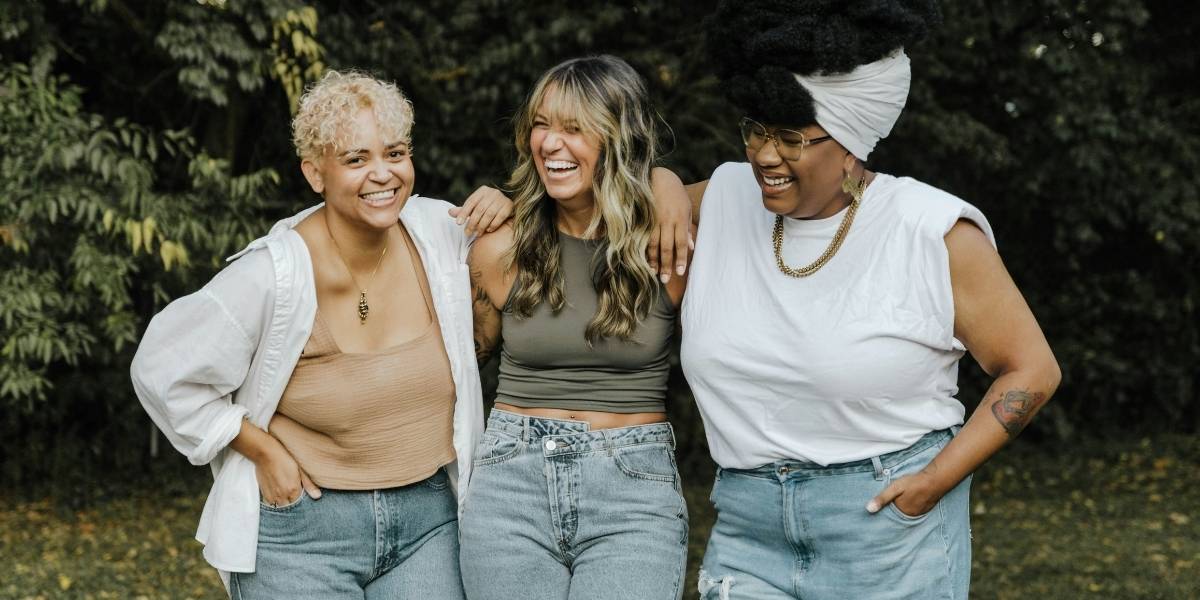
A wave of celebrity responses to body-shaming has sparked a viral movement promoting inclusive beauty standards. Prominent stars such as Lizzo, Selena Gomez, Ariana Grande, and SZA have used their platforms to challenge toxic body expectations. Their openness has turned individual responses into a broader push for more diverse representation and self-acceptance.
As millions engage with these messages on social media, the online conversation around body positivity continues to grow. This surge has prompted a shift in how beauty is perceived, with authenticity and inclusivity becoming key themes. Celebrities are now playing a pivotal role in redefining beauty standards, moving beyond conventional ideals to highlight diverse body types and experiences.
This collective pushback has gained traction as more fans join the conversation, amplifying messages of self-love and body acceptance. The online movement has created a significant cultural shift, encouraging a wider audience to rethink traditional beauty expectations and embrace a more inclusive approach.
Lizzo’s Defiant Humor and Empowering Message
Lizzo has long been an advocate for body positivity, often using humor to combat body-shaming. The singer and rapper’s approach combines sharp commentary with playful, uplifting content, especially on platforms like TikTok. Her ability to turn criticism into comedy highlights resilience and has become a powerful tool for reclaiming her narrative.
Fans have responded positively to Lizzo’s messages, sharing clips that celebrate confidence and reject negativity. Her authenticity in addressing body-shaming has made her a leader in the movement, symbolizing the power of turning criticism into empowerment. Lizzo’s efforts have sparked a wider conversation about acceptance, encouraging others to embrace themselves as they are.
Beyond entertainment, Lizzo’s impact is deeply rooted in challenging the narrow beauty ideals that dominate mainstream media. By showcasing a range of body types and championing self-love, she’s reshaping how beauty is perceived, pushing for broader representation across industries.
Selena Gomez’s Commitment to Authenticity
Selena Gomez has publicly addressed her struggles with body-shaming, particularly related to her lupus treatment. The actress and singer has openly discussed how her medication affects her appearance and emphasized that she doesn’t apologize for it. Her willingness to speak out has resonated with many fans, fostering empathy and understanding.
Gomez has used platforms like Instagram Live and TikTok to share her journey, encouraging her followers to embrace their bodies despite external criticism. Her authenticity in sharing personal health struggles has made her a role model for those dealing with similar body image pressures. She has reframed the conversation around body image by linking it to health and well-being, rather than simply outward appearance.
Her stance has been praised by critics who view it as a pivotal moment in body positivity advocacy. By linking health conditions with body image, Gomez provides an opportunity to rethink beauty standards and urges more compassion in how people approach discussions about physical appearance.
Ariana Grande’s Appeal for Empathy
Ariana Grande has encouraged her fans to be kinder to one another, urging compassion in response to body-shaming. She frequently speaks about the mental health toll that criticism can have, particularly in the digital space. Her message has been shared widely, highlighting the importance of empathy and understanding in shaping online conversations.
Grande’s words have found strong support among fans, who cite her messages as a call for kindness in addressing body image issues. The viral reach of her comments reflects a growing desire for compassionate conversations around beauty standards, especially in an age where social media often amplifies harmful comments. She has continued to advocate for mental health awareness and body acceptance.
Through her approach, Grande has helped shift the narrative about body image, showing how beauty standards can be intertwined with empathy. By linking kindness to perceptions of beauty, she encourages her followers to adopt a more holistic approach to self-worth and confidence.
SZA’s Mental Health and Body Image Discussion
SZA has openly discussed the connection between body image and mental health. The singer and songwriter has shared her personal experiences with anxiety and how body-shaming exacerbates emotional challenges. Her candidness has encouraged many fans to reflect on how harmful commentary can impact their mental well-being.
SZA’s vulnerability in addressing these topics has helped broaden the conversation around body image. She emphasizes that self-love and mental health are interconnected, reinforcing the idea that true beauty goes beyond physical appearance. Her openness has made her a prominent voice in the movement for mental health awareness and inclusive beauty.
The connection SZA draws between emotional wellness and physical appearance serves as a powerful reminder that well-being cannot be separated from how we view ourselves. Her advocacy has encouraged a more nuanced approach to body image, one that includes both physical and emotional health.
The Rising Call for Inclusivity in Beauty
The collective voices of these celebrities have accelerated a larger movement advocating for more inclusive beauty standards. What started as individual responses to body-shaming has evolved into a viral push for diverse representation in the media. Fans are actively participating, using hashtags and reposting content to spread messages of authenticity and self-acceptance.
The movement has expanded beyond celebrity culture and into everyday life, with online communities and individuals celebrating the uniqueness of every body type. It is reshaping how beauty is discussed, moving away from rigid standards to embrace a more inclusive and relatable definition of beauty. Social media platforms have played a pivotal role in amplifying these voices and providing a space for people to connect over shared experiences.
As this movement continues to grow, it challenges traditional notions of beauty in a way that reflects broader societal change. The pushback against body-shaming is evolving into a call for diversity and wellness across industries, reinforcing the idea that everyone deserves to feel seen and valued for who they are.