By: Audrey Denise Cachuela
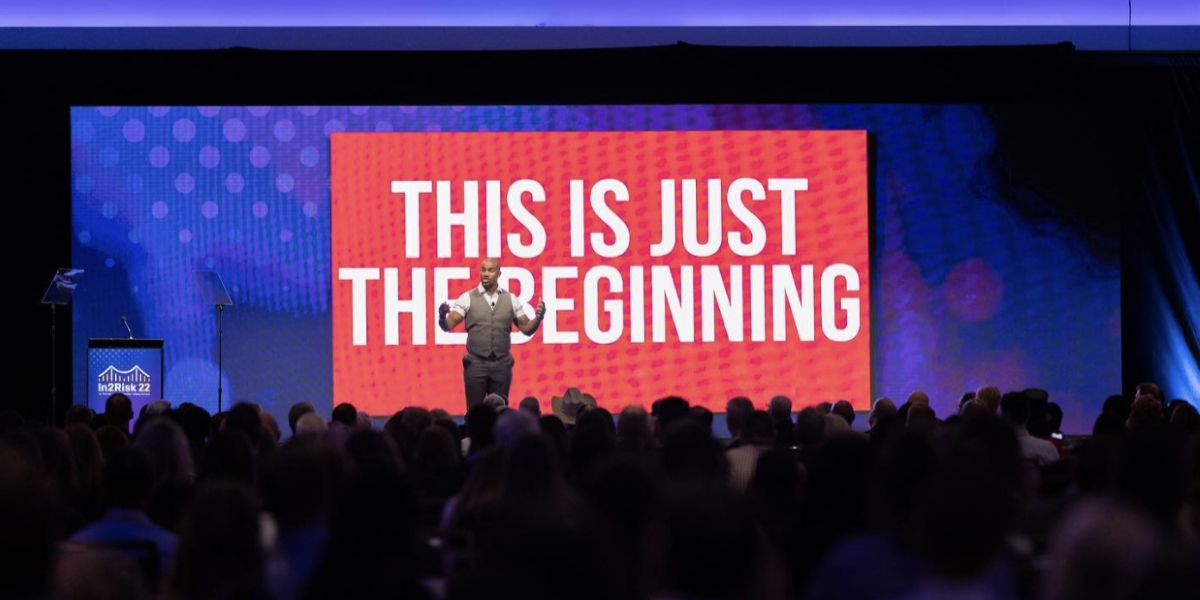
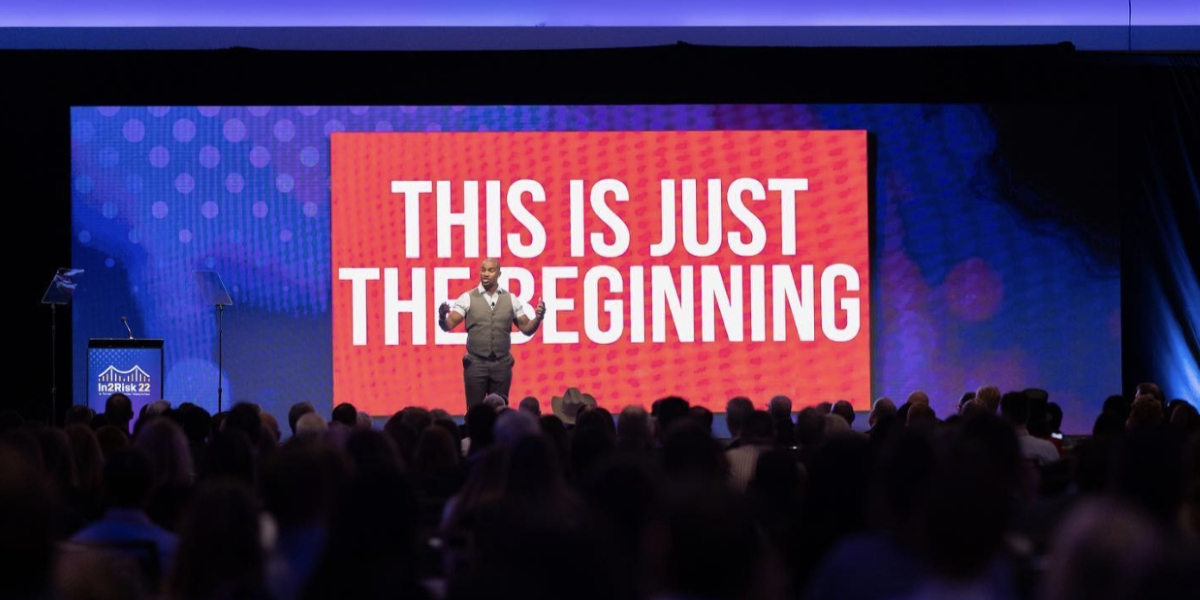
The auditorium empties, the feedback survey comes back glowing, and somebody in finance still has to explain what that budget line bought. That question sits underneath almost every leadership offsite and corporate training program a company pays six or seven figures to run. A great session gets applause in the room, and three months later the boardroom wants to know what that applause was worth. Corporate training ROI is supposed to measure what happens in between. Anthony Trucks, a keynote speaker and corporate trainer, builds his work around that stretch of time, where a standing ovation and a changed behavior are different things no matter what the survey scores say.
Companies spend more on training every year, and that money deserves the same scrutiny as any other line on the budget. Most leadership development training never gets it.
Part of the problem is timing. The cost shows up fast. A speaker fee, the venue, travel, materials, and the hours a whole team spends in a ballroom away from their work all land on an invoice within days. The return takes months to surface, if it surfaces at all, and by the time anyone thinks to ask what changed, the people who sat through the keynote have moved on to a dozen other things.
A solid answer depends on paying attention at five moments: before the contract gets signed, when someone decides who needs to see the evidence, in the weeks right after the keynote, when a repeat booking shows up on the calendar, and at the annual budget review. Skip one of those moments and a strong session on stage turns into a line item nobody can defend twelve months later.
What Corporate Training ROI Actually Requires Before Anyone Books a Speaker
A company can’t judge an event fairly if it waits until afterward to decide what success means. “Inspire the team” describes a feeling, and feelings fade fast once everyone’s back at their desk staring at an inbox. A useful brief spells out the audience, the behavior that needs to change, and some realistic way to check on that change later.
Say a leadership team wants its managers to stop letting hard conversations drag on for weeks. Before they book anyone, they could ask the managers how often those conversations get delayed right now, and why. After the session, they check whether managers are using the approach they agreed to in real conversations with the people who report to them. That one before-and-after comparison shows a company whether behavior moved.
The measure has to fit the work. A sales team might track how consistently reps prepare for objections before a call. With first-time managers, the quality of their one-on-ones could be the better signal. No single metric covers every training goal, and a change in some business result almost never traces back cleanly to one speaker or one afternoon.
Deciding what evidence will count, before anyone makes a promise on stage, sets up everything that follows. It also answers a harder question: how do you evaluate a corporate speaker in the first place? A speaker who asks about the specific behavior a company wants to change is doing the buyer’s homework for them. Questions that stop at headcount and AV setup are worth noting, because a speaker focused on the room tends to be finished the moment the applause stops.
Who Needs the Evidence Changes What You Should Measure
The event planner, the learning and development leader, the frontline manager, and whoever owns the budget rarely want the same proof of success. The planner cares about whether the session fits the room and runs without a hitch. Further downstream, someone wants proof that people are using the ideas back at their desks, and the person staring at the learning and development budget is looking for a clear line between what got spent and a business priority the company already cared about.
Get all four of those people into the planning conversation early and it heads off a mismatch that ends up costing real money. Otherwise the speaker delivers exactly what was requested, and months later the organization judges that same session against a goal nobody wrote down or told the speaker about. One short conversation before the contract gets signed can shape the content, the follow-up plan, and the eventual review.
Corporate training expenditure keeps rising in the United States, and more of that money goes to external speakers, consultants, and other outside providers every year. That raises the stakes on getting the early conversation right. U.S. training spending hit $102.8 billion in 2025, up 4.9 percent from the year before, and spending on outside products and services jumped 29 percent to $16 billion. (Source: Training Magazine, 2025)
More money flowing toward outside providers widens the field for learning and development teams. It also leaves them with a tougher question for the next budget cycle: which parts of that spending changed how people work, and how would anyone know?
What to Measure After a Keynote Ends
People can walk out of a room with a clear intention and straight back into a calendar that makes it almost impossible to act on. Meetings stack up. Nobody’s manager circles back to ask what they planned to try. And the idea that felt so obvious in the auditorium never finds a place in the workweek.
That’s why a buyer should plan what happens after the event with as much care as the event itself. A good plan gives people one clear action, something small enough to try before the next meeting eats their calendar again. It tells managers what to reinforce, makes sure somebody says it out loud, and sets a checkpoint thirty and sixty days out to see whether anything changed. That follow-up could be a workshop, ongoing coaching, an internal reinforcement plan, or a cleaner handoff to the managers who run the team every day after the speaker’s gone.
Learning and talent development leaders, by and large, struggle to explain the value of their own work to the rest of the business. Measures that tie career development and skill building to organizational goals help close that struggle, though employee engagement and retention are still the go-to measures most teams reach for. (Source: LinkedIn Learning, 2025)
What that calls for is follow-up simple enough to happen every time, built around what people tried and what happened when they did. Say the goal was better leadership conversations. The follow-up question is whether those conversations took place, and what changed inside them. Even a fuzzy answer is useful, because it shows the buyer exactly where more support is needed.
Most of a training budget’s value gets decided in the weeks after the keynote, well after the applause has faded. Build those weeks into the program with dates and owners, and the return has room to show up.
What a Repeat Booking Actually Tells You
When a company brings a speaker back for round two or three, that’s another purchase decision, and it deserves its own scrutiny. A repeat booking can mean a few different things at once. The first session may have fit the audience well, a new team might need the same message, or leadership could want to build on something that started the first time around. Any of those reasons explains a second invitation, even if nobody ever confirmed a measurable business result along the way.
Anthony’s client list includes Amazon, PayPal, T-Mobile, and Chick-fil-A, which shows the range of corporate organizations that have brought him in. How often each one booked him, what each engagement covered, and what followed inside those companies are details that would have to come straight from Anthony and, where a client is willing, from the client too.
So the question worth asking is what drove the decision to book again. Did the organization have an ongoing need? What did managers notice in the weeks after that first engagement? Was the second session built for a different audience, or a sharper version of the same challenge? Those answers reveal the training outcomes behind a repeat booking and give the next buyer something concrete to compare their own situation against.
Making the Learning and Development Budget Review Honest
Learning teams have good reason to sharpen this review. In 2024, organizations put an average of 2.9 percent of revenue into learning and development, the highest share in five years, even as the average number of formal learning hours used per employee dropped from 17.4 in 2023 to 13.7. (Source: Association for Talent Development, 2025)
Those numbers describe the industry as a whole, and each event needs a narrower review of its own. Keep that review concrete. Trace what the company wanted people to do differently. Note the support they got. Write down what changed in the following weeks, and name one adjustment for next time.
Some of that evidence is easy to count in a spreadsheet. Other parts, like changes in judgment or in how a leader behaves, show up in examples and direct feedback from a manager. Both kinds of evidence are useful, as long as the buyer stays honest about what each one can show. Naming those limits up front, before the review starts, gives the budget owner a case they can trust.
A learning team that can point to specific behavior change in one group, backed by broader engagement numbers across the company, builds a case that holds up in front of finance. A case built only on broad numbers is thinner, and the review should say that plainly.
Make Your Next Corporate Training ROI Decision Easier
It comes down to whether anyone bothers to go looking. One clear question, asked at the right moment after a keynote, usually gets a company an answer worth having.
Some speakers welcome this kind of scrutiny before they ever set foot on stage, and that willingness says as much about what’s coming as anything in their demo reel or references. If a speaker pushes back on questions about behavior change, timelines, or follow-up, the buyer learns something important before any contract gets signed.
For a leadership event or corporate training program already on the calendar, a useful first step is to put a specific team challenge in front of the speaker and ask how the engagement would address it. Anthony Trucks builds his keynote and training work around the gap between applause and changed behavior, which makes that question a natural starting point. Agree, up front, on what success looks like once everyone’s back at their desks.
That one conversation gives a company a real, defensible answer the next time somebody asks how to measure corporate training ROI, and it gives them a much clearer basis for deciding whether the next engagement is even worth booking.