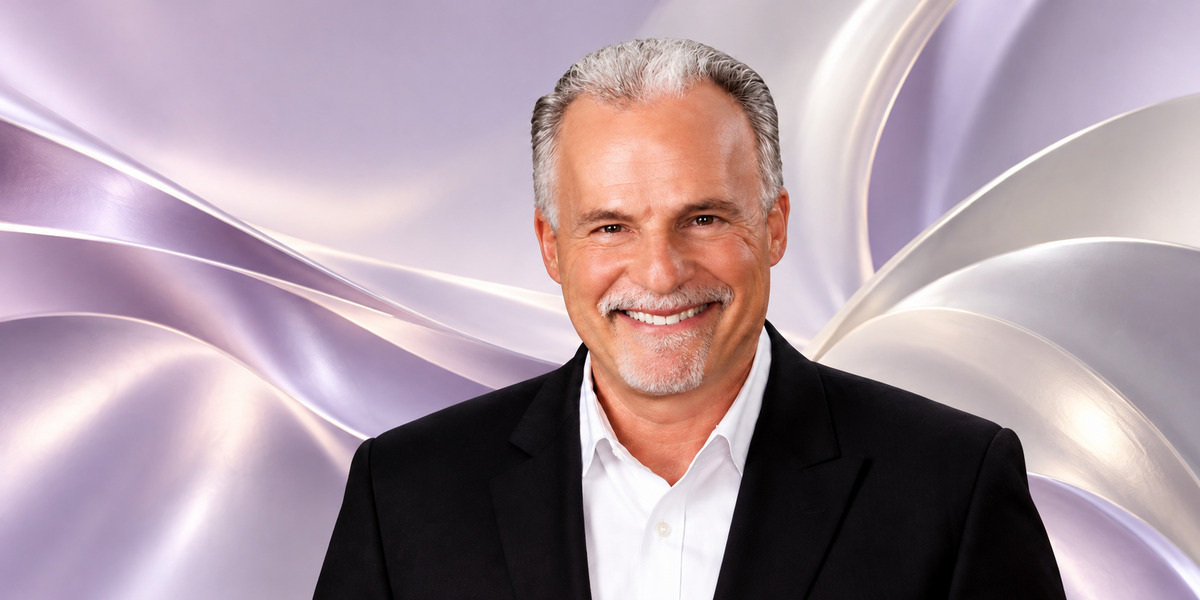
David Anthony NGO has built his filmmaking philosophy around a deceptively simple idea: audiences respond most deeply to stories that feel emotionally honest. At a moment when media consumption is increasingly fragmented and attention spans are under pressure, that belief has become more relevant than ever.
Across documentary filmmaking and independent film, viewers are gravitating toward work that feels grounded in lived experience rather than spectacle. The documentaries that resonate most powerfully today are often the ones that prioritize empathy, emotional complexity, and human-centered narratives over sensationalism. For filmmakers working in an increasingly crowded marketplace, authentic storytelling has become less of a stylistic preference and more of a necessity.
For David Anthony, an Australian-Canadian filmmaker whose work spans documentary directing, producing, and post-production, that commitment to authenticity is central to every stage of the creative process. His approach reflects a broader shift taking place within contemporary nonfiction storytelling, where audiences are seeking connection as much as information.
The Shift Toward Authentic Storytelling
The modern documentary world has evolved dramatically over the past decade. Streaming platforms have expanded global access to nonfiction filmmaking, while film festivals have helped elevate independent voices capable of telling nuanced stories with emotional depth. At the same time, audiences have become increasingly sophisticated about the media they consume.
Viewers now recognize when stories feel manipulated or overly manufactured. In response, many documentary filmmakers have moved toward more intimate and emotionally driven storytelling styles that prioritize vulnerability and perspective over rigid formulas.
For David NGO Director, that shift reflects what audiences have always wanted from cinema at its best: meaningful human connection.
His perspective has been shaped by years spent working across multiple areas of filmmaking before transitioning fully into directing. That background in producing and post-production gave him a detailed understanding of storytelling mechanics and the collaborative nature of filmmaking itself. As he has explained, studying story structure, character arcs, and thematic development remains essential regardless of whether someone works as a writer, producer, or director.
That technical foundation is visible in the way his films approach real-world narratives. Rather than relying on excessive stylistic flourishes, his work focuses on clarity, pacing, and emotional truth. The result is documentary storytelling that feels immersive without becoming exploitative.
Why Emotionally Honest Documentaries Are Resonating With Audiences
The renewed popularity of documentaries in mainstream culture is not simply about access or streaming algorithms. It also reflects a growing appetite for emotionally honest storytelling during a time when audiences are surrounded by curated online identities and endless digital noise.
Documentary filmmaking offers something different. When handled thoughtfully, it provides viewers with the opportunity to engage with real people, real conflict, and real emotional stakes. That authenticity creates a level of trust that scripted content sometimes struggles to achieve.
David approaches documentary directing with that trust in mind. In interviews discussing his process, he has emphasized the importance of remaining an objective observer while allowing subjects to tell their stories in their own voices. Building that level of openness often requires months or even years of developing trust with participants, particularly when stories involve conflict or emotionally sensitive experiences.
That philosophy aligns with a broader movement within independent film, where filmmakers are increasingly aware of the ethical responsibility that comes with shaping real narratives. Audiences can sense when documentaries genuinely respect their subjects, and they respond accordingly.
Emotionally driven storytelling works because it does not reduce people to headlines or archetypes. Instead, it acknowledges complexity. The most compelling documentaries rarely offer simple answers. They invite viewers into morally layered worlds where empathy matters more than certainty.
The Responsibility Behind Documentary Directing
As documentary filmmaking continues to influence public conversations around culture, politics, and identity, the role of the director has become more significant than ever. Filmmakers are not merely recording events. They are shaping perspective, framing narratives, and determining how audiences emotionally engage with the people on screen.
His approach to authentic storytelling prioritizes balance between creative vision and factual rigor. In discussing documentary work involving true stories, he has spoken about the importance of research, corroboration, and multiple sources when presenting information.
But responsibility in documentary directing extends beyond fact-checking. It also involves understanding how form influences emotional interpretation.
Many contemporary filmmakers have developed recognizable visual signatures designed to stand out in an increasingly competitive media environment. David Anthony has expressed caution about allowing style to overshadow substance. In his view, every creative decision, from editing to music to cinematography, should support the story itself rather than draw attention to the filmmaker.
That philosophy reflects a larger debate happening across creative storytelling today. In an era dominated by short-form content and algorithm-driven engagement, restraint has become surprisingly powerful. Audiences are often more moved by sincerity than spectacle.
For documentary filmmakers, that means understanding when to step back and let a story breathe.
Independent Film and the Power of Human-Centered Narratives
Independent film has historically served as a space for creative risk-taking and unconventional perspectives. Today, it has taken on an increasingly important role in shaping cultural conversations that larger studio systems may overlook.
Human-centered narratives are particularly well suited to the independent filmmaking world because they prioritize specificity over scale. Smaller productions frequently have greater freedom to explore overlooked communities, morally complicated subjects, and emotionally intimate experiences.
David NGO has spoken openly about the realities of working within independent film, including the collaborative dependencies that define the industry. He recalls hearing filmmaker Jim Sheridan describe independent filmmaking as “dependent on everyone,” a lesson that reinforced the importance of building the right creative team.
That collaborative mindset is increasingly important in modern documentary production, where international partnerships, streaming distribution, and global audiences are reshaping how films are financed and consumed.
Independent documentary filmmakers now operate in an environment where a project can premiere at a regional film festival and quickly reach viewers around the world. While that access creates opportunity, it also increases pressure to create stories that transcend geography and speak to universal themes.
David Anthony’s work often explores themes such as justice, rebellion, and individual agency, subjects that resonate across cultural boundaries. That emphasis on universal emotional experiences helps explain why human-centered storytelling continues to travel so effectively internationally.
The emotional core of a story remains understandable regardless of language or location.
Film Festivals Are Elevating Meaningful Documentary Work
Film festivals continue to play a vital role in shaping the future of documentary filmmaking. Beyond launching careers, festivals create environments where emotionally driven storytelling can reach engaged audiences who actively seek challenging and thought-provoking work.
For emerging directors, festivals also serve as testing grounds for how stories connect across different cultures and demographics. Audience reactions often reveal whether a documentary’s emotional themes are truly universal or overly specific.
David has described international collaboration and festival participation as formative experiences that sharpened his understanding of global storytelling. Working with audiences from different backgrounds reinforced the idea that strong documentaries succeed because their emotional themes remain recognizable everywhere.
That perspective reflects the increasingly global nature of independent film itself. Documentary filmmakers are no longer creating work solely for local markets or niche audiences. Streaming platforms and international festival circuits have expanded the reach of nonfiction storytelling in unprecedented ways.
At the same time, audiences are becoming more selective about what earns their attention. The documentaries that endure tend to be the ones that offer emotional insight rather than superficial provocation.
This environment has created space for filmmakers who value patience, empathy, and authenticity over formulaic storytelling techniques. It has also elevated directors who understand that emotionally resonant stories often emerge through careful observation rather than aggressive narrative manipulation.
The Future of Authentic Storytelling in Documentary Film
The future of documentary filmmaking will likely continue evolving alongside technology, distribution models, and audience habits. Artificial intelligence, digital production tools, and new streaming ecosystems may reshape how films are made and consumed, but the core challenge of storytelling remains remarkably consistent.
Audiences still want stories that make them feel something real.
He has noted that despite massive technological shifts within filmmaking, the foundation of cinema has not fundamentally changed. Film remains a combination of image and sound designed to communicate story and emotion. That understanding sits at the center of his approach to creative storytelling.
As viewers continue searching for authenticity in media, documentary filmmakers who prioritize empathy and emotional truth are likely to become even more important cultural voices. Independent film, in particular, will remain a critical space for stories that challenge assumptions, humanize complex issues, and create meaningful emotional connection.
For David Anthony, the path forward appears rooted in the same principles that have guided his work so far: thoughtful documentary directing, respect for subjects, and a belief that human-centered narratives still carry extraordinary power when told with honesty and care.
In an increasingly crowded media environment, authenticity is no longer optional. It is what audiences remember long after the credits roll.