Choosing the Right Location
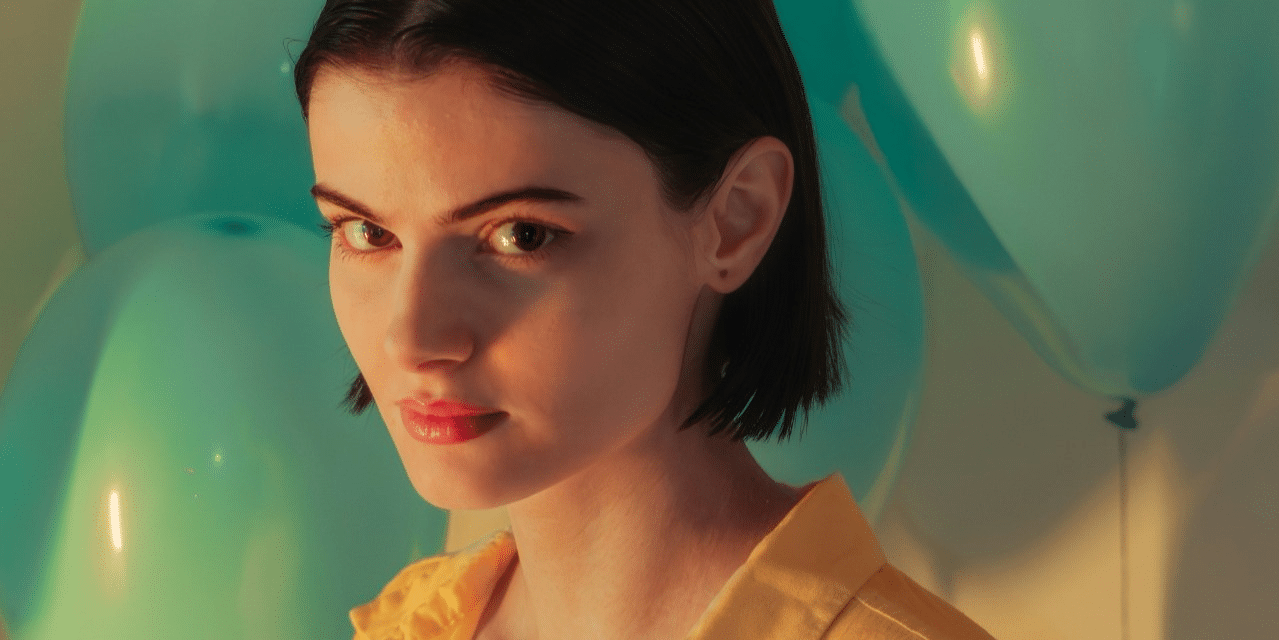
The first step in setting up a fashion shoot at home is selecting a location that offers both space and natural light. If natural light is limited, simple adjustments can help. White curtains can diffuse harsh sunlight, while reflective surfaces such as mirrors or whiteboards can bounce light onto the subject. These small changes create a professional look without requiring expensive equipment.
The background also plays a role in setting the tone of the shoot. Neutral walls, textured fabrics, or even outdoor spaces like balconies can provide variety. The key is to ensure the background complements the clothing rather than distracting from it.
Planning the Concept and Outfits
Every fashion shoot benefits from a clear concept. This could be as simple as showcasing seasonal outfits or as detailed as creating a themed editorial. Canva’s guide emphasizes the importance of mood boards, which help visualize the desired style and ensure consistency throughout the shoot.
Outfit selection should align with the concept. Coordinating colors, textures, and accessories creates cohesion. Preparing multiple looks allows for variety, giving the final collection of photos more depth.
It’s also helpful to plan styling details in advance. This includes hair, makeup, and accessories. Even small adjustments, such as matching jewelry or experimenting with hairstyles, can elevate the overall presentation.
Setting Up Lighting
Lighting is one of the most important elements in photography. While natural light is often preferred, artificial lighting can be used to supplement or create specific effects. Fstoppers notes that even simple setups with ring lights or softboxes can dramatically improve image quality.
Positioning is key. Placing lights at a 45-degree angle to the subject creates depth and reduces harsh shadows. Reflectors, which can be improvised with white cardboard or foil, help balance the light and highlight details in clothing.
Experimentation is encouraged. Adjusting the distance and angle of lights can change the mood of the shoot, allowing for both bright editorial looks and softer, more intimate portraits.
Preparing Equipment and Camera Settings
A professional camera is not always necessary. Modern smartphones often have advanced cameras capable of producing high-quality images. What matters most is understanding how to use the available equipment effectively.
Basic knowledge of camera settings can make a significant difference. Adjusting exposure, focus, and white balance ensures that colors appear accurate and details are sharp. Tripods are useful for stability, especially when experimenting with longer exposures or self-portraits.
Accessories such as remote shutters or simple editing apps can also enhance results. These tools provide flexibility and allow for more creative control during the shoot.
Directing the Shoot
Directing a fashion shoot involves guiding the model, whether it’s a professional, a friend, or even the photographer themselves. Clear communication helps achieve natural poses and expressions. Simple instructions, such as adjusting posture or experimenting with movement, can create dynamic results.
Music can also help set the mood, making the model feel more comfortable and relaxed. A positive atmosphere encourages creativity and leads to more authentic expressions.
Taking multiple shots of each pose ensures variety. Small changes in angle, lighting, or expression can produce dramatically different results, giving more options during the editing stage.
Editing and Post-Production
Editing is the final step in creating a polished fashion shoot. Basic adjustments such as cropping, color correction, and exposure balancing can enhance images without altering their authenticity. Free or affordable editing software provides enough tools for beginners to achieve professional-looking results.
Consistency is important. Applying similar edits across all photos creates a cohesive collection. This is especially useful if the images will be shared as part of a portfolio or social media campaign.
Post-production also allows for creative experimentation. Filters, overlays, or black-and-white conversions can add artistic flair, provided they align with the original concept of the shoot.
Learning from Professional Settings
While home shoots are practical and creative, lessons can also be drawn from professional environments. These principles apply equally at home, where planning and organization ensure smoother results.
By adopting professional practices such as scheduling, creating checklists, and reviewing progress during the shoot, home photographers can achieve results that feel structured and intentional.
This balance between creativity and organization allows home shoots to feel both enjoyable and productive, producing images that reflect both style and professionalism.