By: Kate Sarmiento
Getting dressed should not feel like a negotiation with your own body.
For many women, it is a simple routine. Pick an outfit, get ready, and move on with the day. But for neurodivergent women, that same routine can come with a quiet layer of friction that builds over time. A tag scratches at the back of the neck. A seam feels too tight in one place and too loose in another. A fabric that looks fine on a hanger suddenly feels overwhelming the moment it touches the skin.
These are not small inconveniences. They can affect focus, mood, and energy before the day has even properly started.
That is why brands like Svaha USA are approaching clothing differently. Instead of asking women to tolerate discomfort for the sake of style, they are rethinking what everyday fashion should feel like. Their pieces are designed to reduce common sensory triggers while still offering personality, color, and expression. The result is clothing that feels good to wear and still feels like you.
That balance matters more than most people realize. When clothing stops being a distraction, it creates space for everything else.
Why Sensory-Friendly Clothing for Neurodivergent Women Matters More Than Most People Realize
Clothing is one of the few things people interact with constantly throughout the day. It moves with you, sits against your skin, and stays there for hours. When something feels off, it does not fade into the background. It lingers.
For neurodivergent individuals, this experience can be even more pronounced. Sensory processing differences are more common than people think. Around 90 percent of autistic individuals experience some form of sensory sensitivity, including tactile defensiveness, where certain textures or sensations feel overwhelming (Source: Front Psychiatry, 2020). That sensitivity is not limited to autism. About 66 percent of children with ADHD also experience atypical sensory processing (Source: Brain Sci, 2024), and sensory challenges affect roughly 5 to 16 percent of the general population overall (Source: Healthline, 2024).
That means millions of people experience the same daily friction with clothing. An itchy tag or stiff seam might seem minor, but it can pull attention away from conversations, work, or even simple moments of rest. Over time, that constant awareness can become exhausting. It is not about being picky. It is about how the body processes input and how quickly discomfort can escalate.
The usual workaround has been to search for “comfortable” clothing, but that often leads to a narrow set of options. Soft basics, oversized pieces, or neutral tones that prioritize comfort at the expense of expression. While those options can help reduce irritation, they do not always reflect who someone is. This is where the conversation around sensory-friendly fashion begins to shift. It is not only about removing discomfort. It is also about expanding what comfort can look like.

When clothing is designed with sensory awareness in mind, small details start to matter in a bigger way. Fabric is often the first place to start. Organic cotton, especially when knit for softness and breathability, creates a noticeable difference in how a garment feels throughout the day. It allows airflow, reduces stiffness, and avoids the synthetic textures that can feel overwhelming for some people. Svaha USA leans into this by using organic cotton across much of its collection, offering pieces designed with softness and breathability in mind.
Construction details follow closely behind. Tagless designs remove one of the most common sources of irritation. Seams are considered more carefully, reducing rough edges or pressure points that can distract from the overall experience. Fasteners are kept to a minimum, which helps avoid unnecessary bulk or friction in areas that tend to be more sensitive.
These changes may sound simple, but they add up quickly. A dress that does not itch, pull, or shift awkwardly can change how someone moves through their day. With less constant adjusting and friction, getting dressed feels less like a daily distraction.
Functionality also plays a role. Dresses with pockets, for example, are not just a convenience. They allow for ease and practicality without adding extra layers or accessories that might feel uncomfortable. It is a small detail that supports independence and simplicity at the same time.
The goal is not to create something entirely different from everyday clothing. It is to refine what already exists so it works better for more people.
Why Self-Expression Should Never Be Sacrificed in Sensory-Friendly Organic Cotton Clothing
Comfort should not come at the cost of identity.
One of the biggest gaps in sensory-friendly fashion has been the assumption that comfort must look minimal or muted. Many collections focus on neutral colors, basic silhouettes, and simple designs. While those options can be helpful, they do not leave much room for personality.
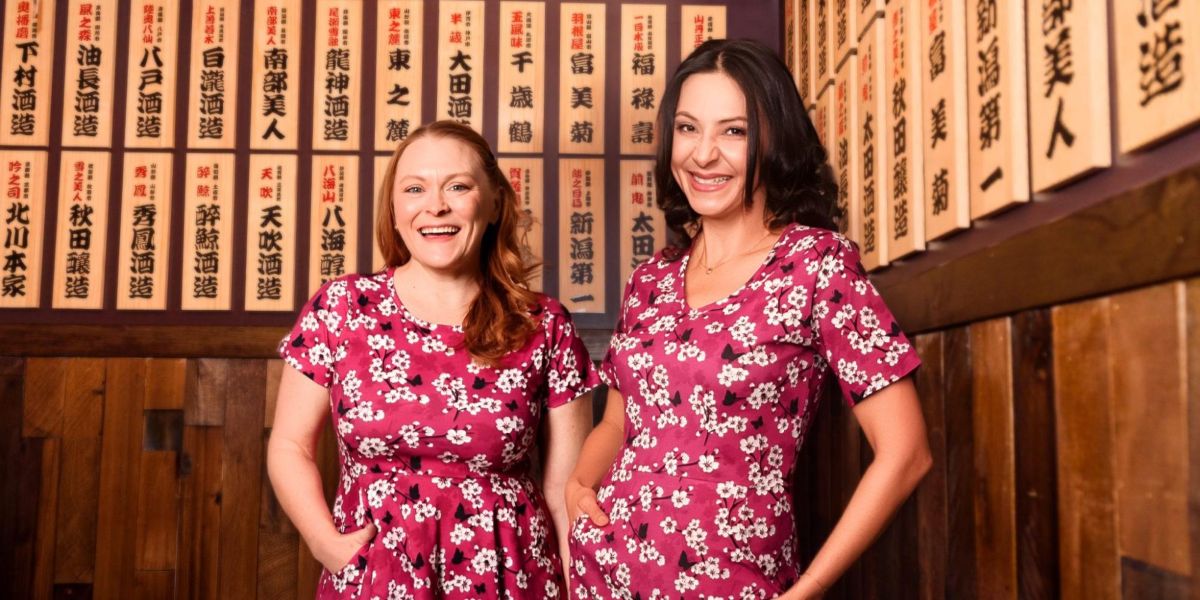
Clothing is more than just something you wear. It is a form of expression. It reflects interests, moods, and how someone wants to show up in the world. Svaha USA approaches this differently by combining sensory-friendly design with bold, interest-driven prints. From science and space themes to math-inspired patterns and nature-based designs, these pieces give people the opportunity to wear what they love without compromising comfort.
This matters in a very real way. For many neurodivergent individuals, personal interests are a significant part of identity. Being able to reflect those interests through clothing can feel affirming rather than limiting. Size inclusivity also plays an important role in this experience. With options ranging from XS to 5X, more women are able to find pieces that fit well without having to adjust or settle for something that does not feel quite right. Fit is a key part of comfort, and when it is paired with thoughtful design, it creates a more complete experience.
The result is clothing that does not ask anyone to tone themselves down. Instead, it supports both comfort and visibility at the same time.
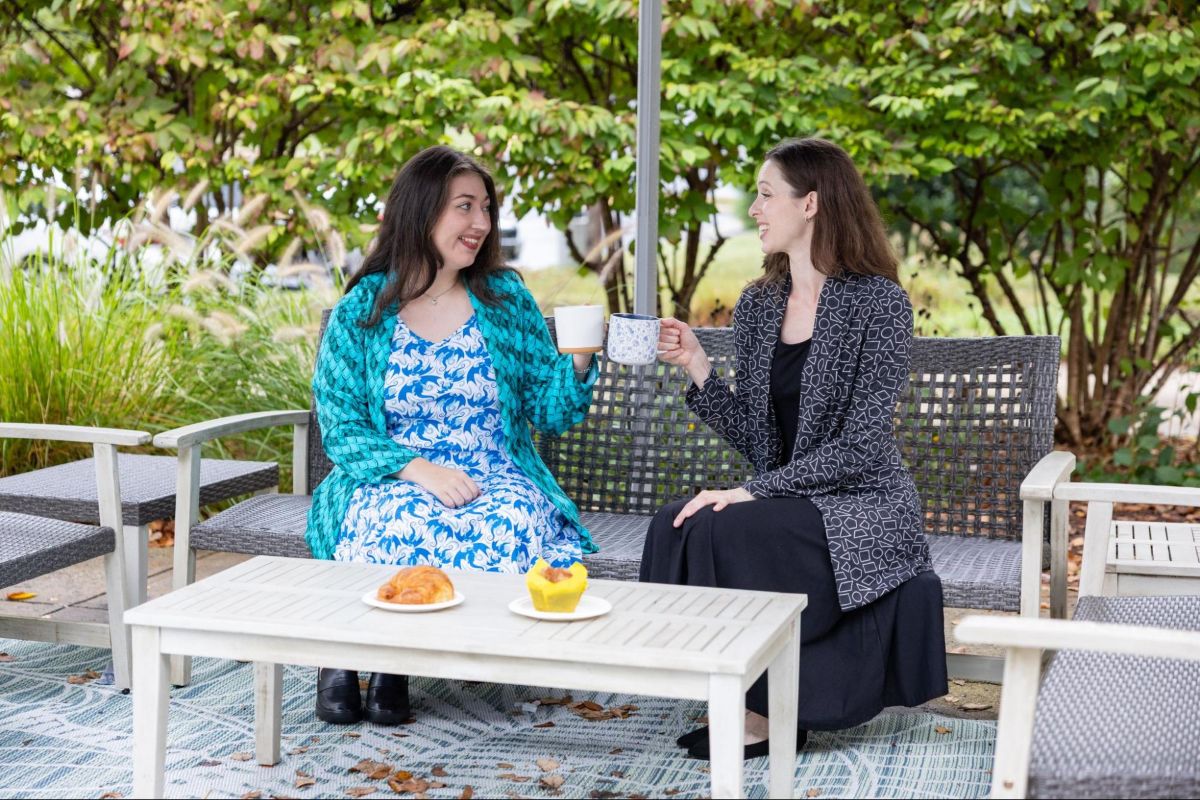
There is something quietly powerful about putting on an outfit and not thinking about it again. No adjusting. No pulling at seams. No second-guessing whether something will feel uncomfortable later in the day. Just getting dressed and moving on.
That kind of ease can change how a day starts and how it unfolds. It removes the constant background friction of physical discomfort, leaving room for everything else the day asks for. Sensory-friendly fashion is not about creating a separate category of clothing. It is about improving everyday pieces so they work better for more people. It is about recognizing that comfort and expression should exist together, not as trade-offs.
Svaha USA is part of that shift. By combining organic cotton fabrics, thoughtful construction, inclusive sizing, and expressive designs, they are showing that clothing can feel good without losing its personality.
Feel Comfortable, Look Like Yourself in Dresses with Pockets, plus-size clothing, and Matching Family Clothing
Getting dressed should feel like a moment of ease, not something to push through.
If clothing has ever felt distracting, overwhelming, or limiting, it may not be a personal issue. It may simply be the design.
Browse Svaha USA’s full sensory-friendly collection to see how thoughtful design can change the way a day feels. Svaha USA offers dresses with pockets, organic cotton essentials, plus-size clothing, and matching family clothing, all designed to support comfort while still allowing self-expression.
Because when clothing works with you, everything else feels a little easier.
Disclaimer: This article is for informational purposes only and is not intended as medical, psychological, or therapeutic advice. The statistics referenced reflect published research on sensory processing and are not specific to any individual. Anyone with questions about sensory sensitivities, autism, ADHD, or related conditions should consult a qualified healthcare professional.